

VisionQuest Episode 6: How the Most Misunderstood Character Finally Gets Redemption
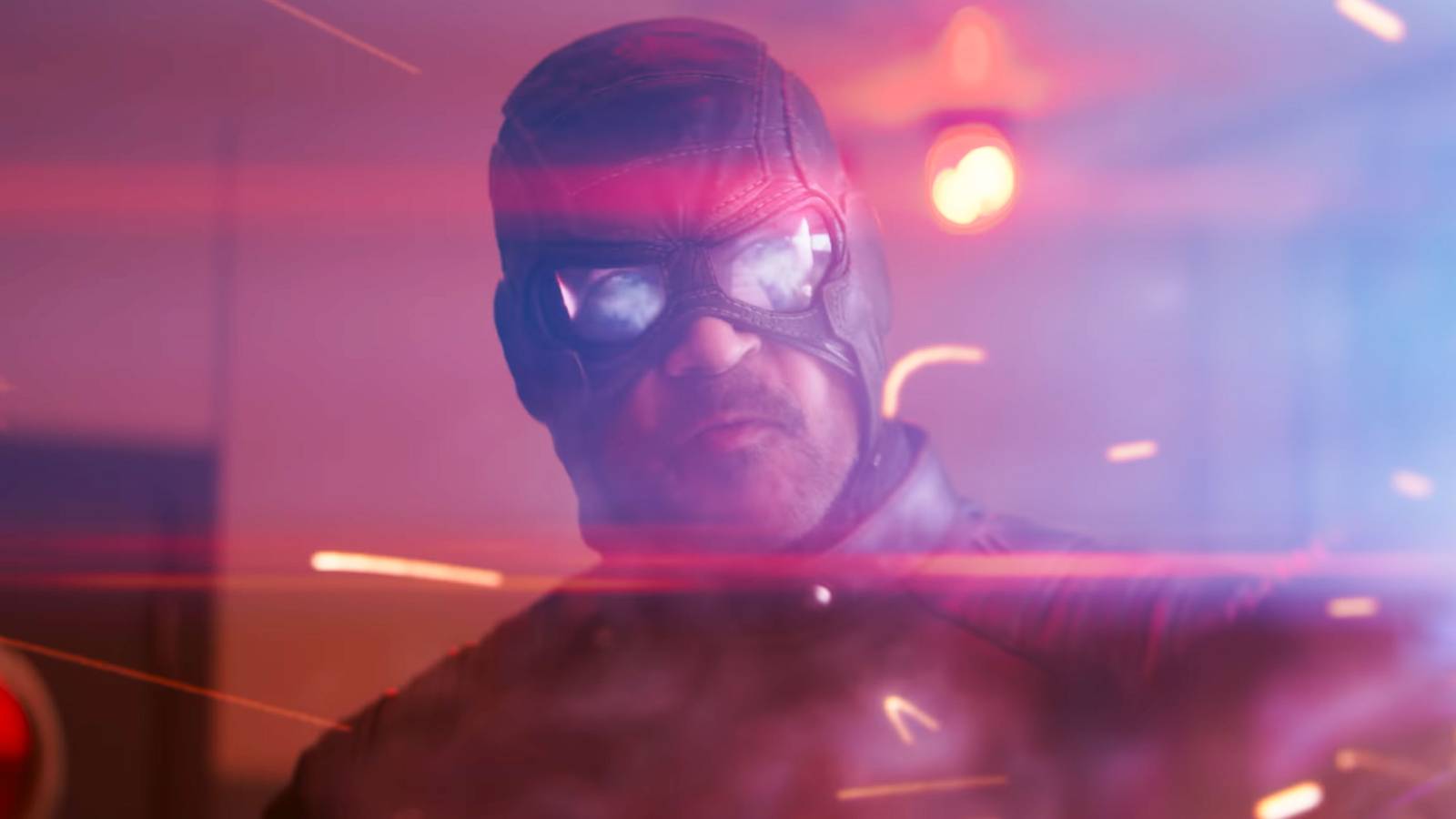
Paladin’s past takes focus
Earlier in the season, viewers saw part of Paladin’s childhood. Episode 3 showed his strained relationship with a father who called him weak; in Episode 6, his history and motivations move to the foreground.
Stashwick described Paladin as someone who had a father who did not want him, followed by a new father shaped by violence. The code he learned gave him a sense of belonging, but also became a way to keep others at a distance.
A fractured reflection of Vision
Stashwick sees Paladin as a “cracked mirror” of Vision. He said both characters were shaped by fathers who programmed them, but they use their codes differently: Paladin’s separates him from people, while Vision’s helps him connect.
The actor said the code protected Paladin from further abuse and became the foundation of his character. As the story reveals more of Paladin’s inner life, his hard-edged detective persona gives way to a more complicated figure.
Episode 6 changes relationships
Paladin must reckon with guilt over kidnapping Tommy and with Vision threatening his daughter, which brings painful memories back. The episode also features the arrival of Raza Hamidmi Al-Wazar, played by Faran Tahir.
His handler, played by Diane Morgan, has also quit after Edith, played by Emily Hampshire, helped her recognize that she deserved better working conditions. Stashwick discussed Paladin’s changing dynamics with Tommy and Vision, along with the show’s gadgets and stunts, in his Collider interview.
Key points
- Episode 6 brings Paladin’s tragic history and motivations to the forefront.
- Stashwick says Paladin’s code gave him belonging but also kept him apart from others.
- Paladin faces guilt over Tommy’s kidnapping and painful memories involving his daughter.
- His handler quits after Edith raises concerns about her working conditions.