

Spider named for Stephen Colbert has twice as many chromosomes as humans
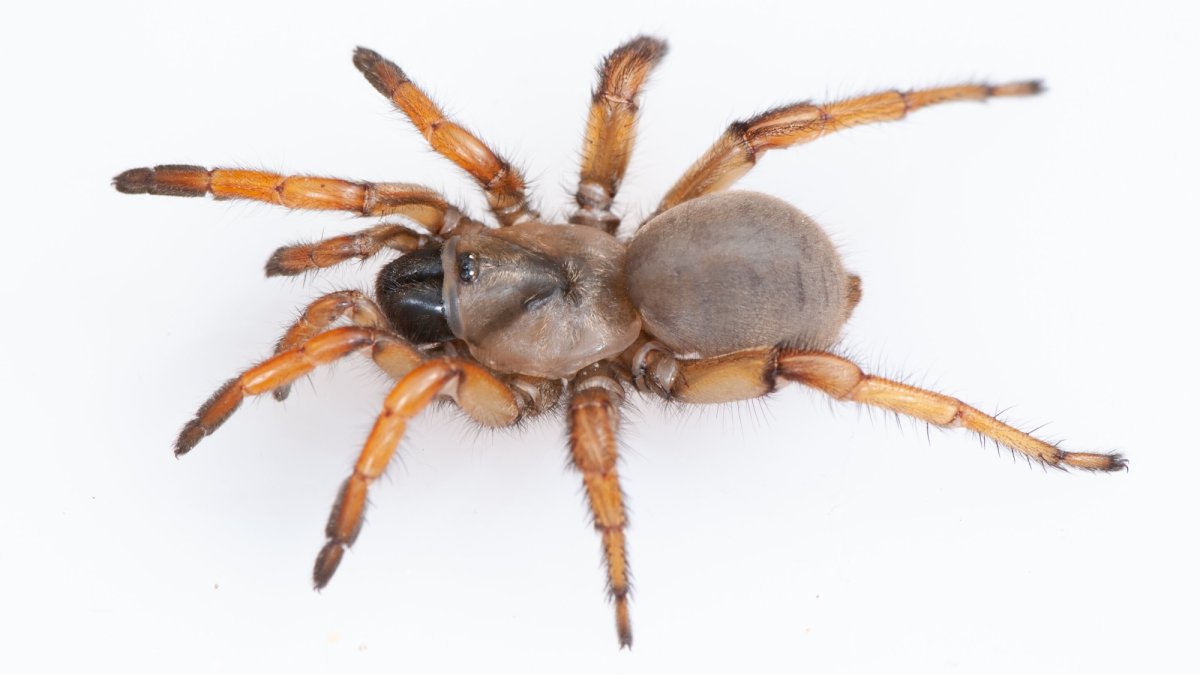
A genome sequenced at last
Nearly 20 years after the species was named, researchers have sequenced its entire genome. Their study, published in the Journal of Heredity, reports that the spider’s genetic sequence is about 50 percent larger than a human genome, despite the spider being roughly the size of a quarter.
The genome measures 4.6 gigabases, or 4.6 billion DNA base pairs. Jason Bond, a University of California Davis entomologist and study co-author, said it is significant, though not the largest spider genome.
More chromosomes than humans
Aptostichus stephencolberti has 53 chromosomes, while humans have 23. More than three-quarters of the spider’s genome consists of repetitive sequences rather than additional genes. Like other spiders, it lacks telomere repeats, which help protect chromosome ends. Biologists theorize that this absence may partly explain why spider chromosomes evolve faster than those of vertebrates. Bond said the work could broaden understanding of spider genome composition and genome evolution across animals.
A coastal trapdoor spider
The species lives in dunes stretching from Monterey to the San Francisco Bay. Females occupy silk-lined burrows and detect nearby prey through vibrations, then ambush it by springing from a concealed hinged door.
Its bite is not dangerous to humans, although the spider is technically venomous. Rising sea levels threaten its West Coast habitat, and invasive species pose additional risks.
Named after Colbert’s character
Entomologists named the spider Aptostichus stephencolberti in 2008, inspired by Colbert’s self-parodying character on Comedy Central’s The Colbert Report. The “t” in stephencolberti is silent.
Key points
- Aptostichus stephencolberti has a 4.6-billion-base-pair genome, about 50 percent larger than a human genome.
- The spider has 53 chromosomes, compared with 23 in humans.
- The species lives in coastal dunes from Monterey to the San Francisco Bay.
- Rising sea levels and invasive species threaten its habitat.