

Judge may appoint special master in California voting case, setback to DOJ's attempt to quickly intervene
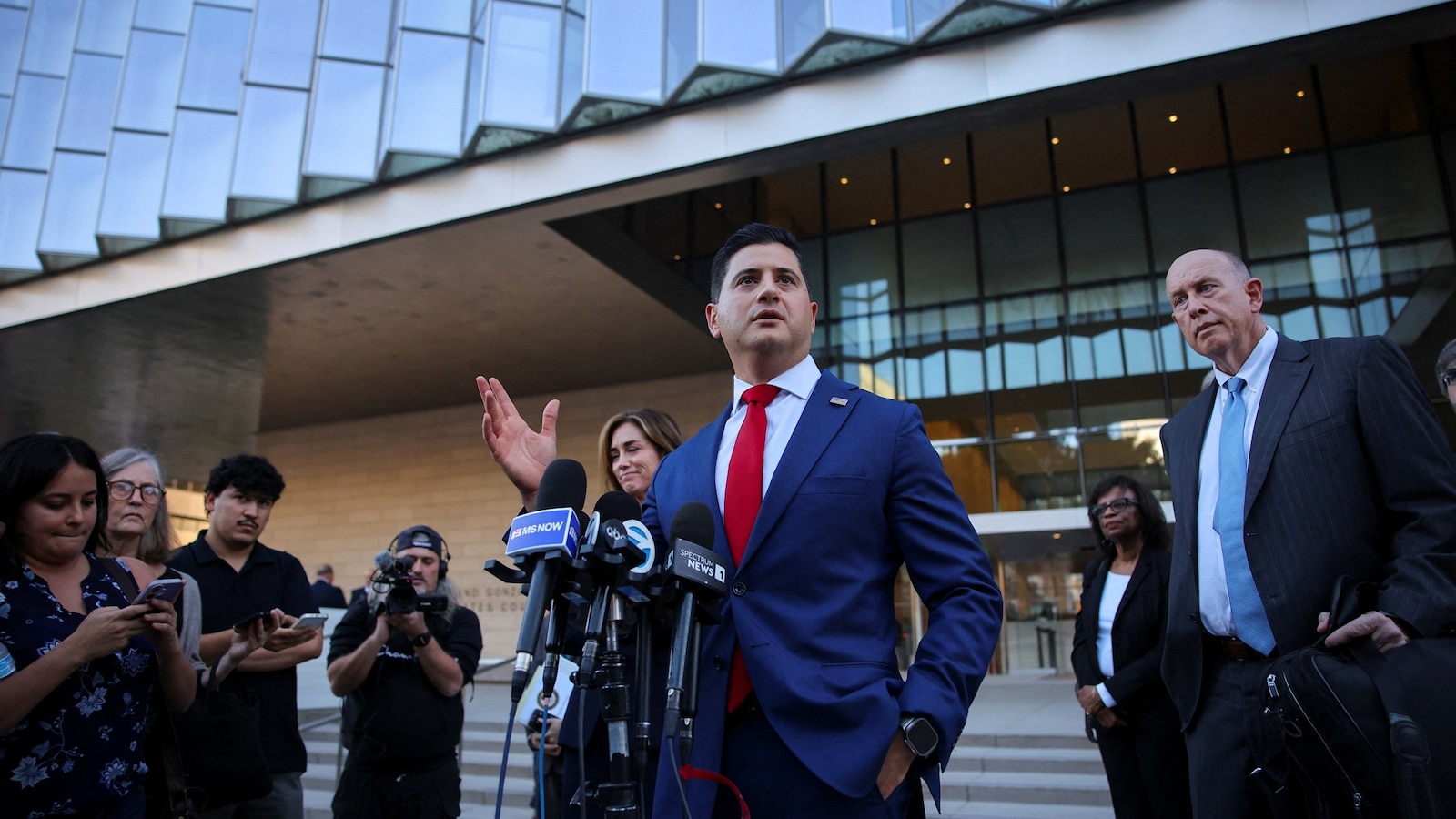
Emergency request draws skepticism
The Justice Department is suing California over roughly 20,000 ballots belonging to people it says are likely noncitizens. It asked Judge Carter for a temporary restraining order to make the state set those ballots aside, just a week before the election.
Carter did not issue a ruling at the end of the hearing. He appeared skeptical of the department’s late effort to require what he called a “monumental change” to the state’s ongoing election administration.
The judge told the parties he plans to issue a ruling on how the case will proceed by tomorrow. The article does not specify the ruling’s exact scope.
State warns of election disruption
State officials and other legal advocates opposing the lawsuit argued that states have constitutional authority over their elections. They also warned that the case could disrupt the counting of final vote totals in the weeks ahead.
In court filings last week, Los Angeles officials described a preliminary review of 200 names on the list. They said a high percentage of those people reported being born in the United States, while many others had no voting history.
Appeals court sends matter back
On Monday, a federal appeals court rejected the Justice Department’s request for an order requiring California to set aside the ballots. The appeals court sent the matter back to the district court.
The department’s request for emergency relief remained before Carter at the hearing. The article says he had not ruled by its conclusion, while reporting that he intended to issue a ruling by the next day.
Key points
- Judge Carter appeared skeptical of the Justice Department’s request for a temporary restraining order.
- The lawsuit concerns roughly 20,000 ballots linked to people the DOJ describes as likely noncitizens.
- A federal appeals court rejected the DOJ’s request to make California set aside the ballots and sent the matter back.
- Los Angeles officials said a review of 200 names found many people reported being U.S.-born or had no voting history.