

Why the Federal Reserve holds interest rates steady as midterm elections loom
Inflation remains above target
The Fed’s decision followed a quarter-point rate increase last month, its first in three years. That move was intended to help contain rising prices. September inflation reached 3.7% compared with the same month a year earlier, more than one percentage point above the Fed’s 2% target. The U.S. Bureau of Labor Statistics said inflation hit a four-month high as fuel prices rose amid unrest in the Middle East.
Fed weighs conflicting signals
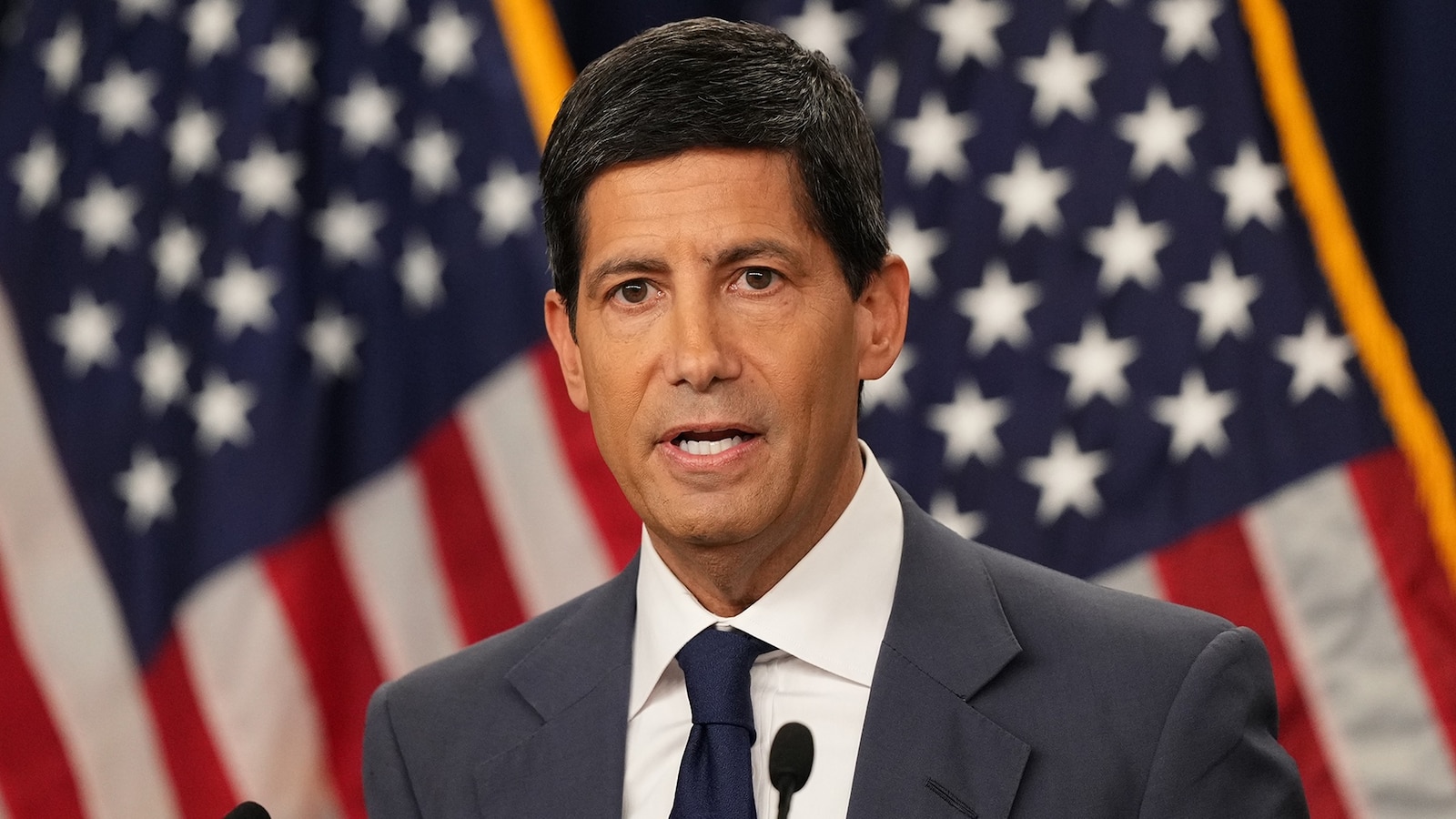
At a Washington press conference Wednesday, Fed Chair Kevin Warsh said policymakers were holding rates steady while waiting for more economic data. He expressed confidence in U.S. economic performance while recognizing the difficulty of elevated inflation.
A weak jobs report this month added another concern, suggesting the labor market may be less resilient than previously believed. Bank of America Global Research described the economic conditions as a quandary for the Fed in a memo to clients last week.
Election season adds political pressure
The Fed is an independent institution established by Congress and is generally insulated from political interference, though past presidents have tried to influence its policy. Deutsche Bank Research said before the announcement that the midterms could factor into a decision to hold rates, but would not be a primary consideration.
Future decisions and rate outlook
Markets see nearly an 80% chance of a quarter-point increase at the Fed’s next meeting in December, according to CME Group’s FedWatch Tool, which tracks market sentiment. Policymakers could become less patient as they consider whether current rates are high enough to slow price increases.
Warsh also said the Fed plans to issue seven rate decisions in 2027, compared with eight this year. The number is scheduled to fall to six in 2028.
Key points
- The Fed held rates steady Wednesday while awaiting more economic data.
- September inflation was 3.7%, above the Fed’s 2% target.
- Markets placed the chance of a December quarter-point hike near 80%.
- The Fed plans seven rate decisions in 2027 and six in 2028.