

How People Who Care for an Elderly Parent or Loved One Face Soaring Costs
Costs mount for families
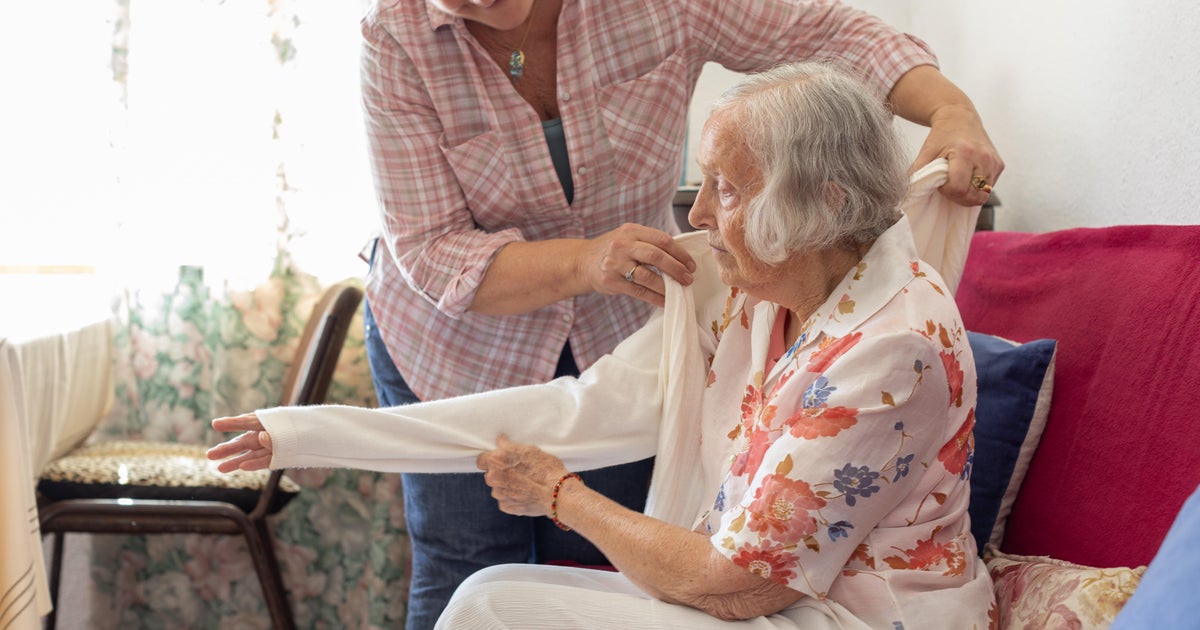
Wendy Mayo, 44, of Connecticut, and her two siblings share the work of caring for their mother, who has Alzheimer’s disease and needs supervision around the clock. Their expenses include rent, equipment to help prevent bedsores, bed alarms and cameras.
Mayo told CBS News that the purchases add up. She said she was willing to care for her mother, but had not planned for the expense. AARP found that caregivers spend more than $11,500 annually on average, roughly 60% above the 2021 figure. Its findings drew on a June and July survey of more than 2,500 people caring for an adult relative or friend.
Housing leads spending
Housing and other household expenses are the largest cost category, AARP reported. These can include food, rent or mortgage payments, and property taxes; the group estimates caregivers spend nearly $4,800 a year on them.
Healthcare is the next-largest burden, including insurance premiums, copayments and hospital payments. Other expenses include nursing homes, medical equipment and supplies, as well as prescription and over-the-counter drugs.
Work and retirement pressures
Caregiving expenses can weaken a family caregiver’s own economic security, AARP said. AARP representative O’Reilly said financial support for a loved one can also affect the caregiver’s retirement security.
Nearly two-thirds of working caregivers in the survey said their added responsibilities affected their work lives. O’Reilly said caregivers may have to decide whether to remain in the workforce and whether to increase or reduce their hours.
The demands also take time beyond direct care. O’Reilly described tasks such as finding healthcare providers, scheduling appointments and transporting loved ones to and from them.
Sandwich generation challenges
The strain can be especially difficult for the “sandwich generation”: middle-aged adults raising children while caring for aging parents. That combination of family responsibilities can bring financial costs as well as pressure on caregivers’ time and employment.
Key points
- Caregivers spend an average of more than $11,500 annually, about 60% more than in 2021.
- Housing and household expenses are the largest cost category, averaging nearly $4,800 a year.
- Nearly two-thirds of working caregivers surveyed said caregiving affected their work lives.
- Caregivers also spend time coordinating healthcare, appointments and transportation.