

Quick guide to Israel’s high-stakes elections: candidates, coalition math and key issues
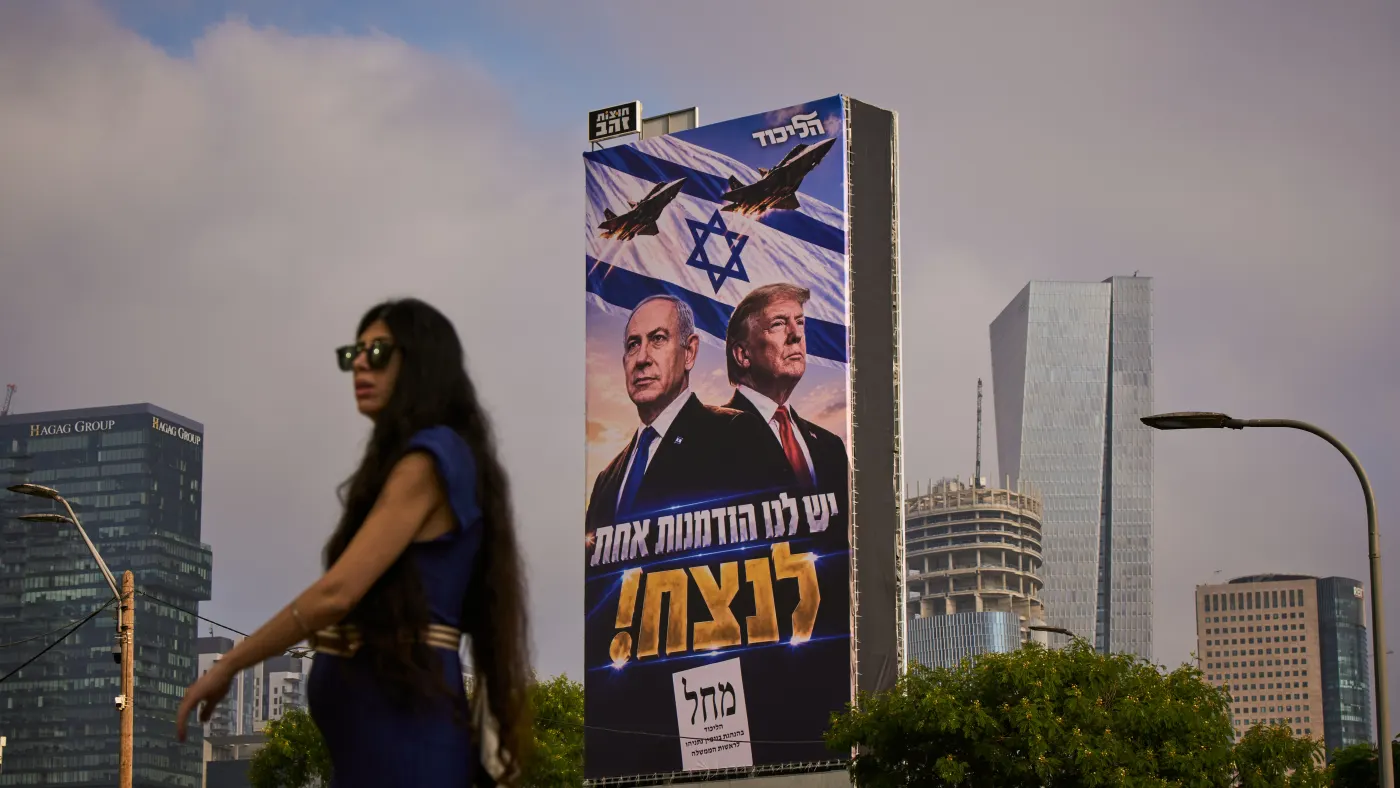
A race shaped by coalition politics
Netanyahu, Israel’s longest-serving prime minister, is seeking another term after leading what the article describes as the country’s most right-wing government. His coalition has included far-right leaders Itamar Ben-Gvir and Bezalel Smotrich, along with two ultra-Orthodox Jewish parties.
Voters select among a dozen main parties for seats in the 120-member Knesset. After election day, party leaders will try to build a governing coalition with at least 61 lawmakers.
War and campaign priorities
Netanyahu has also made confronting Iran, and ultimately seeking the fall of its regime, central to his campaign. Eisenkot’s son, Gal, was an Israeli soldier killed in Gaza during the war.
The attack led by Hamas on Oct. 7, 2023, remains a major election issue. About 1,200 people were killed and 251 taken hostage, according to the article. Netanyahu has resisted calls for a state commission of inquiry into failures preceding the attack; Eisenkot and other opposition leaders say they would establish one soon after taking office.
Arab parties and coalition choices
Most major predominantly Jewish parties, including Eisenkot’s, remain reluctant to rely on Arab parties. That could leave the anti-Netanyahu camp short of the 61 seats needed for a majority.
Military service remains contested
Years of fighting on several fronts have placed a heavy burden on Israel’s standing army and reservists. The military says it needs more personnel, sharpening a long-running dispute over exemptions for ultra-Orthodox Jewish men. The article’s final sentence about Netanyahu’s reliance on ultra-Orthodox parties is cut off, so it does not provide further detail on his position in this dispute.
Key points
- Israel’s 120-seat Knesset requires at least 61 lawmakers to form a governing coalition.
- Netanyahu is seeking another term, while Gadi Eisenkot is his strongest challenger in recent polls.
- Arab parties’ possible role could affect whether the anti-Netanyahu camp reaches a majority.
- Accountability for Oct. 7 and ultra-Orthodox military exemptions are key election issues.