Earth’s most powerful supervolcanoes: Kikai is refilling with fresh magma
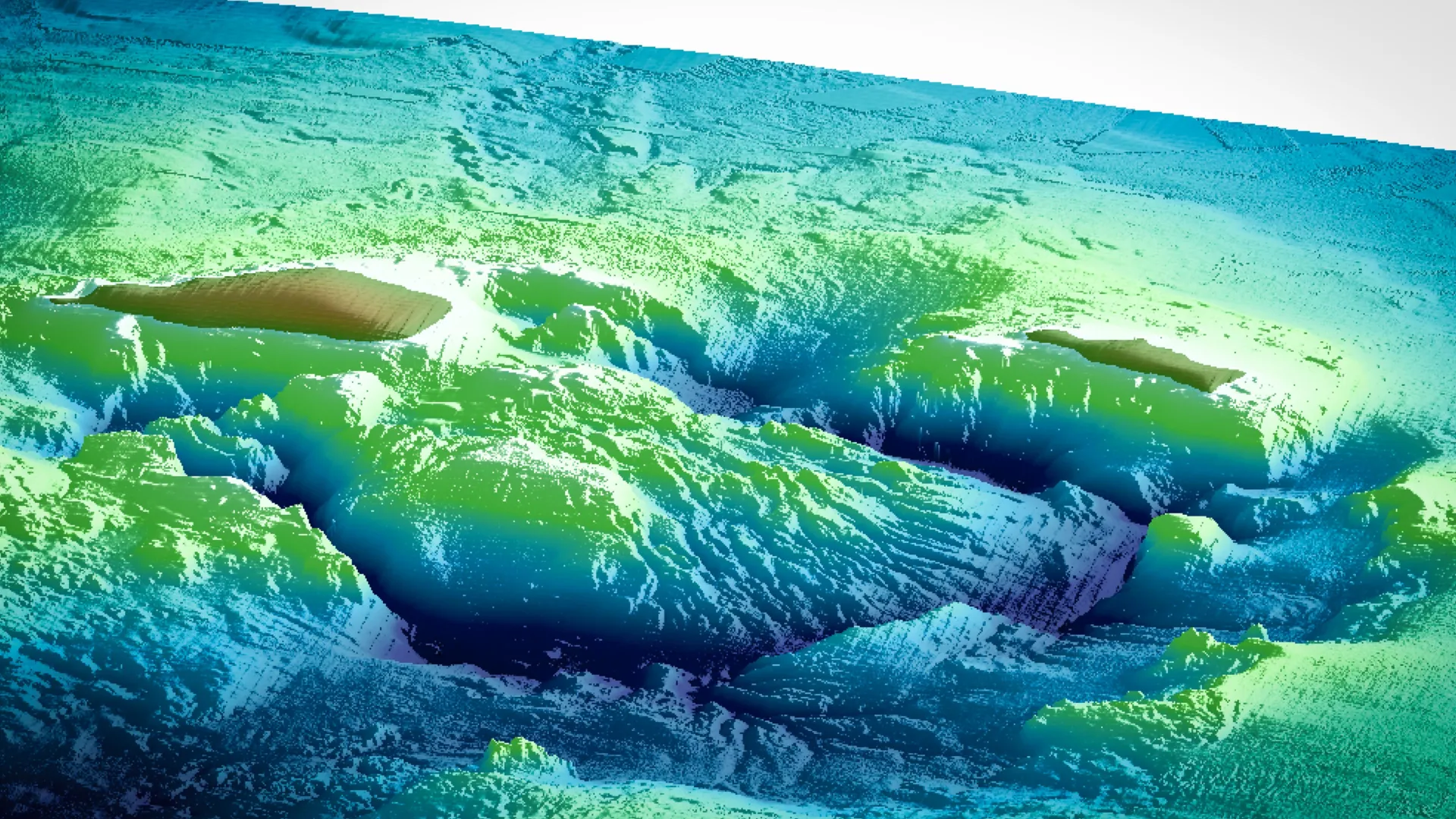
A caldera’s ancient eruption
Kikai, much of it beneath the ocean near Japan, produced the largest known volcanic eruption of the Holocene, about 7,300 years ago. The Holocene began roughly 11,700 years ago and continues today.
When vast amounts of magma escape, the ground above the emptied reservoir can collapse, forming a broad depression called a caldera. Scientists know some giant caldera volcanoes erupt more than once, but how their magma supplies build up remains poorly understood.
Surveying beneath the sea
Kobe University researchers worked with the Japan Agency for Marine-Earth Science and Technology to examine the area beneath Kikai. They generated seismic pulses using airgun arrays and recorded them with ocean bottom seismometers.
Because seismic waves behave differently in solid rock and areas containing molten material, the measurements let researchers investigate underground structures. The team reported its findings in Communications Earth & Environment.
Evidence of a shared reservoir
The measurements revealed a sizable area with a high proportion of magma beneath the site of Kikai’s ancient eruption. Researchers estimated the reservoir’s size and shape from the seismic data.
Its position and extent indicate that it is the same magma storage system involved in the earlier eruption, Kobe University geophysicist Nobukazu Seama said. Kikai’s underwater setting also allows broad surveys across the volcanic structure.
Signs of newer magma
Chemical analyses found that material from the dome and other more recent activity differs from material released in the giant eruption. The difference suggests new molten rock has entered the system from deeper in Earth’s crust or mantle.
Key points
- Seismic surveys found magma beneath Japan’s Kikai caldera, the site of a major eruption about 7,300 years ago.
- The reservoir’s location and extent suggest it is the system involved in that ancient eruption.
- Chemical differences point to newer magma entering the system from deeper underground.
- The research may inform understanding of caldera volcanoes such as Yellowstone and Toba.