Chernobyl nuclear fallout particles retain structure 40 years later, longer than scientists expected
Three kinds of radioactive particles
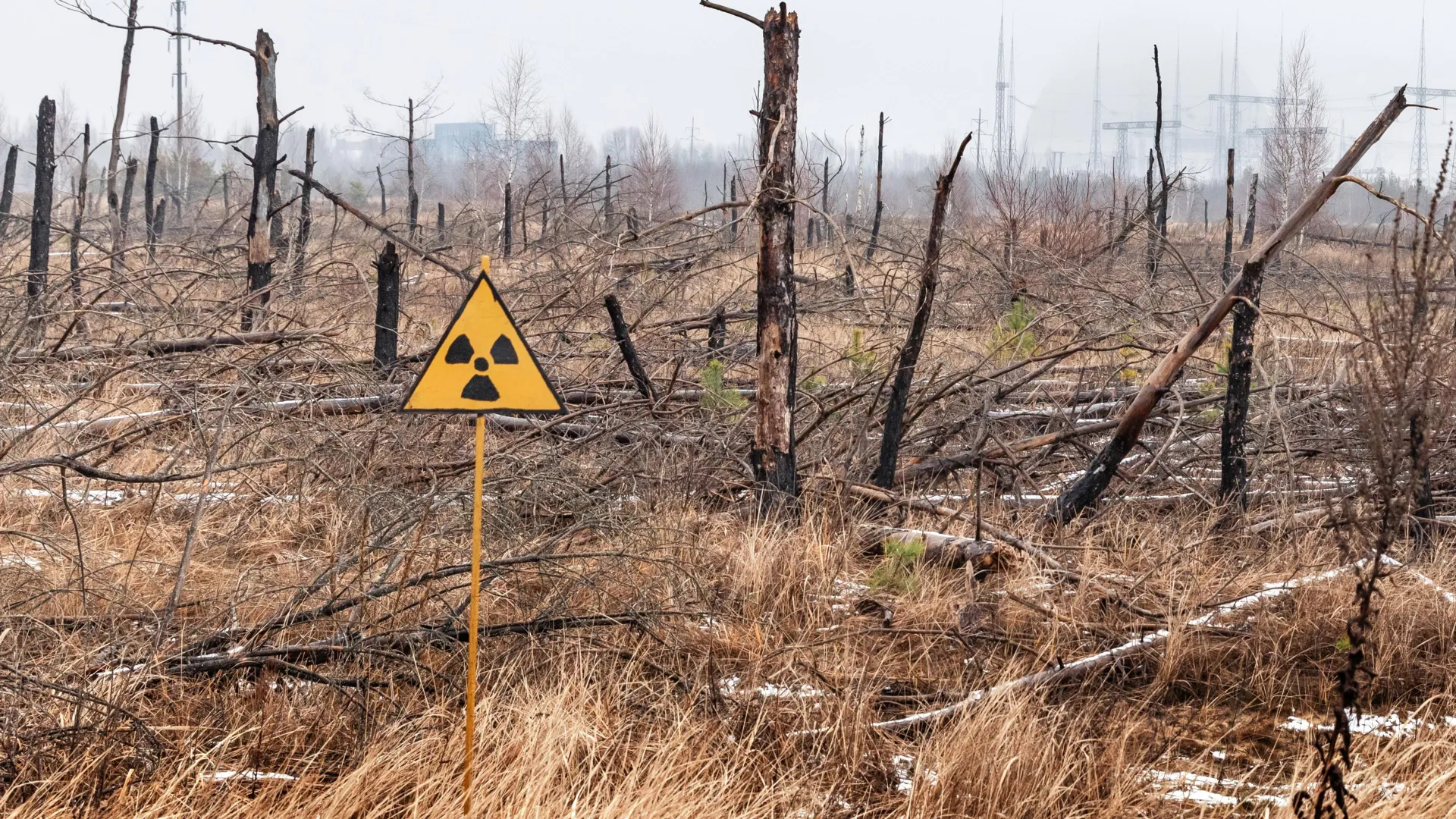
Explosions at the reactor scattered radioactive debris across the surrounding area. Particles measuring 8 to 50 micrometers remain highly radioactive, and people entering affected areas still need protective clothing.
Physicist and doctoral candidate Tobias Weissenborn described three particle types: those similar to uranium dioxide fuel; those partly or fully enclosed in, or fused with, zirconium; and particles formed when the graphite moderator caught fire. The graphite burned for ten days. The fire oxidized fuel into uranium oxides such as U3O8, which can break into tiny fragments and travel on the wind. Inhaling them poses serious health risks.
Examining particles in detail
Scientists have not fully explained why Chornobyl particles break down at different rates. Weathering can produce several forms of uranium oxide, making their long-term behavior hard to predict.
Crystallographer Christoph Hennig of Helmholtz-Zentrum Dresden-Rossendorf completed the first successful structural analysis of this kind of radioactive fragment at the Rossendorf Beamline in Grenoble. He and Weissenborn studied six particles collected in the Chornobyl region.
The team isolated particles from Ukrainian soil and mounted them on tungsten electrodes. After multiple containment layers were added for transport, Hennig’s team used synchrotron X-ray diffraction to study their crystalline structures.
What the measurements revealed
Researchers rotated each particle in an X-ray beam narrowed to 100 micrometers and measured it from 2,000 angles. The measurements distinguished uranium oxide phases within the fragments. The six particles had retained much of the nuclear fuel’s original crystal structure despite four decades in the environment. The finding suggests that at least some debris is more chemically stable than researchers had previously believed.
This stability may influence how quickly radioactive substances escape into the surrounding environment. The researchers’ results offer new structural detail, but the particles’ long-term behavior remains a subject of study.
Key points
- Six Chornobyl-region particles retained much of their original crystal structure after four decades.
- Researchers used X-ray diffraction to identify uranium oxide phases in the fragments.
- The finding suggests some radioactive debris may be more chemically stable than expected.
- Radioactive particles measuring 8 to 50 micrometers remain in surrounding soil.