10 Greatest Grimdark Books of All Time, Ranked by Their Dark Visions

A Subgenre Built on Bleakness
Grimdark is a fantasy subgenre shaped by bleakness, moral ambiguity, deeply flawed protagonists and a cynical mood. Its stories often turn on brutality, political intrigue, destructive magic and choices with no good outcomes.
The style gained popularity in recent decades, but its roots reach further back. Some earlier books contain the pessimism and violence now associated with grimdark, helping establish its themes and conventions.
Belief Becomes Power
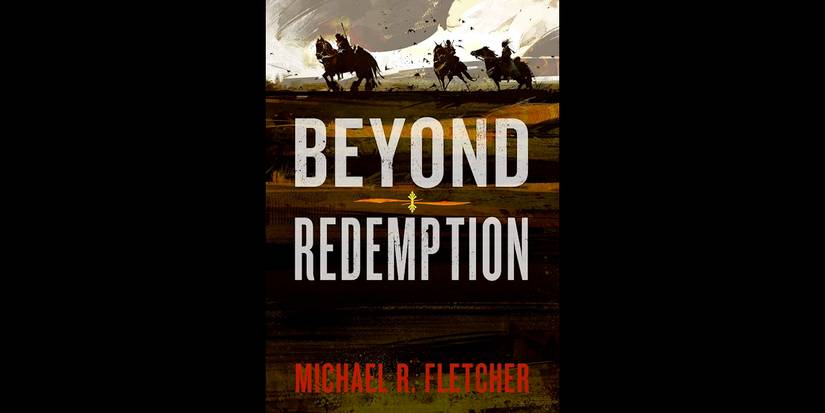
In Michael R. Fletcher’s Beyond Redemption, belief can reshape reality. The people wielding that power are not heroic wizards: their supernatural abilities emerge from delusions and intensify as their grasp on reality weakens.
The novel features figures called Kleptics, who can steal a mirror’s reflection, and narcissists who become impossible to ignore. Its plot follows three unpleasant characters caught in a scheme to transform a boy into a god. The result is violent, grotesque and often funny, with an imagination that offsets its cynicism.
War Leaves Its Mark
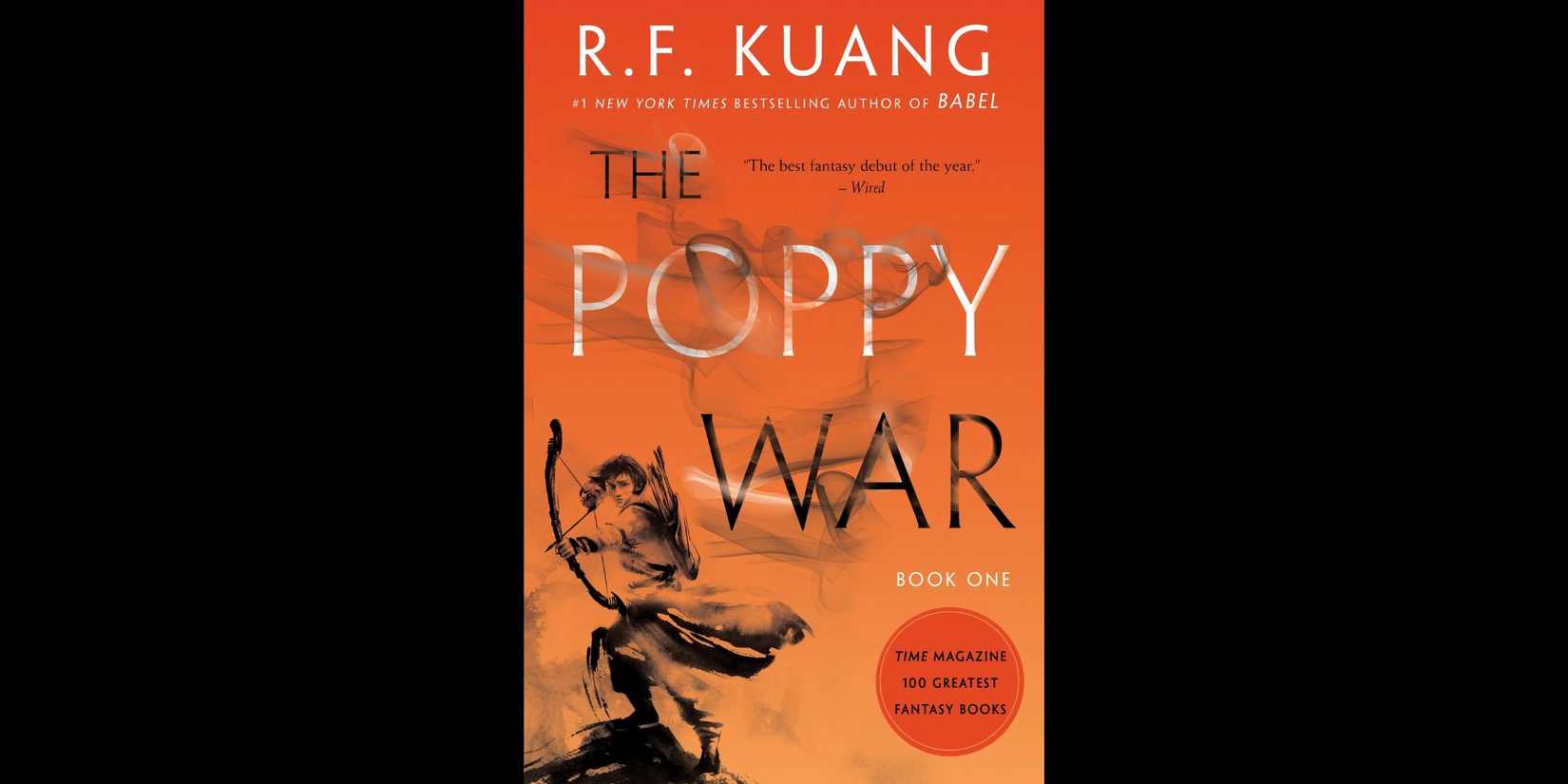
R.F. Kuang’s The Poppy War follows Rin, a war orphan who escapes an arranged marriage by entering an elite military academy. The story moves from schoolyard cruelty into a devastating war, drawing heavily on 20th-century Chinese history, particularly the Second Sino-Japanese War.
Its conflicts leave even sympathetic characters damaged and morally compromised. Magic reflects that cost: shamans use opium and other addictive substances to reach the gods and channel their destructive powers.
In Peter McLean’s Priest of Bones, Tomas Piety returns from war to Ellinburg and finds his criminal empire taken from him. A soldier, priest, gangster and businessman, he sets out to reclaim it. The novel also depicts battle-scarred characters, including returned warriors with PTSD.
Magic is rare and frightening in the series, taking the form of the Cunning, a dangerous kind of mental manipulation. Its scarcity gives each use considerable weight.
Faith, Power and Cruelty
R. Scott Bakker’s The Darkness That Comes Before presents a world of war, religious fanaticism, political manipulation and relentless cruelty. Rather than a straightforward struggle between good and evil, it offers an existential story in which characters may not understand their own motives.
The plot unfolds as a Holy War approaches, bringing together warriors, sorcerers, nobles and spiritual leaders. Among them is Anasûrimbor Kellhus, an exceptionally intelligent, unempathic monk trained to treat human emotion as something to manipulate. Bakker’s dense, poetic prose reinforces the book’s dark atmosphere.
Key points
- Grimdark stories emphasize bleakness, moral ambiguity and flawed protagonists.
- Beyond Redemption links supernatural power to delusion and a weakening grasp on reality.
- The Poppy War draws on 20th-century Chinese history and portrays war’s devastating costs.
- Priest of Bones and The Darkness That Comes Before center on compromised characters and dangerous power.