Honey Bees Bullying Rivals: Scientists Discover How They Take Over Flowers
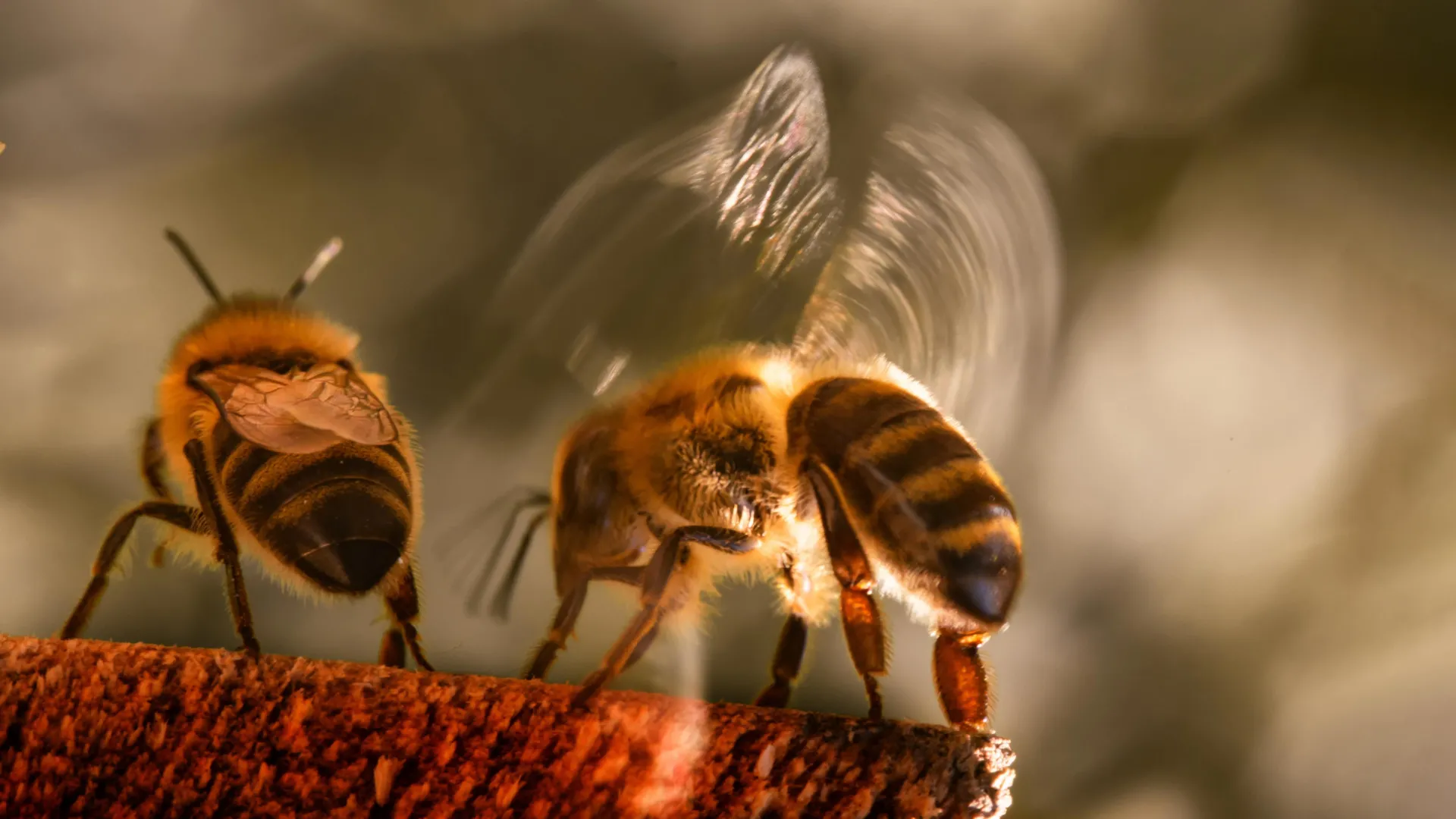
How researchers tracked encounters
They watched insects visiting bramble and ivy, plants that provide nectar and pollen. Visitors were grouped as honey bees, bumble bees, solitary bees, hoverflies, or other insects, including butterflies, beetles, and wasps.
Across 93 hours of observation, the team recorded insects interrupting another’s feeding or blocking access to a flower. Encounters were classified as wins, losses, or shares, depending on whether access was gained, denied, or shared.
Honey bees often prevailed
Sites with more honey bees generally had fewer other pollinators and more competition. Honey bees also won a larger share of encounters with other insects. On bramble, doubling honey bee density was associated with a 14% drop in bumblebee abundance. Higher honey bee numbers on ivy were linked to fewer solitary bees and hoverflies.
Other pollinators avoided honey bees in 28% of observed bramble encounters and 36% on ivy. In at least 20% of honey bee wins on either plant, the bees pushed or chased rivals away.
One rival fought back
Aggression initiated by pollinators other than honey bees was uncommon. The exception was the ivy bee, a solitary species not native to Britain and first documented there in 2001. Ivy bees sometimes chased or displaced honey bees to defend feeding spots, and they successfully competed for flower access.
Warming may intensify competition
The findings form part of wider research into pollinator competition and ways to reduce its ecological effects. They come as the number of registered UK beekeepers has risen from 19,000 in 2010 to 47,000 last year.
Researchers found competitive encounters were more frequent in warmer conditions. Heat stress can reduce nectar production, leaving insects to compete for less food; bumblebees and hoverflies may forage better in cooler weather, while honey bees generally become more active as temperatures rise.
Previous research found that a 12°C temperature increase led to ten times as many honey bees leaving their nests. The study’s lead author, Victoria Buckle, is a PhD student at Anglia Ruskin University in Cambridge.
Key points
- Honey bees frequently chased, displaced, or intimidated other pollinators at flowers.
- Doubling honey bee density on bramble was associated with 14% fewer bumblebees.
- Ivy bees were the only observed pollinators to actively challenge honey bees.
- Warmer conditions were associated with more competitive encounters.