Fast fashion giant Shein outperforms several Australian retailers on ethics, report finds
How the companies were assessed
The 11th Baptist World Aid ethical fashion report was released on Tuesday. It examined 138 Australian and international companies, representing 543 fashion brands. Researchers scored companies out of 100 across five broad supply-chain areas, including worker empowerment and environmental sustainability. Just 13% of those surveyed could provide evidence of a living wage for any workers in their supply chains.
Shein’s score and its critics
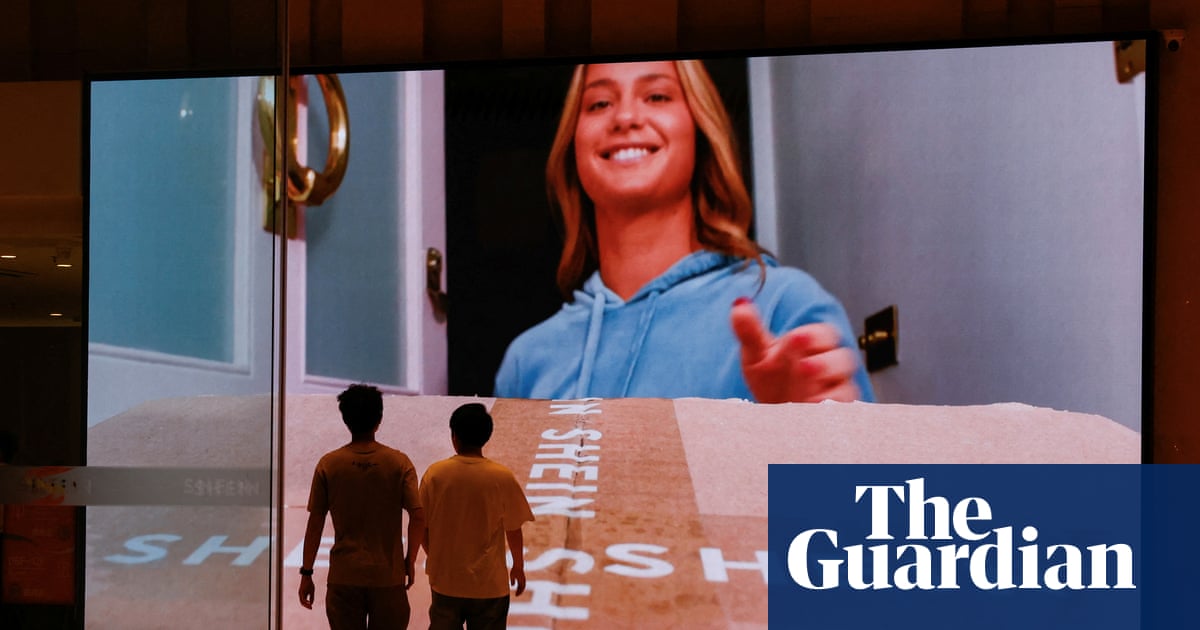
Shein, the Chinese online fashion company, scored 28, below the report’s average of 31.5. Even so, its result exceeded those of several familiar Australian retailers and fashion businesses.
The company has faced criticism over its environmental impact and accusations that its low prices encourage overconsumption. The report said overproduction remained a growing sustainability challenge.
Retailers with lower scores
Ghanda and Windsor Smith each received zero, as did Shein competitor Temu. Seafolly scored one, while activewear company 2XU received two. Boardriders, which owns Roxy and Billabong, and Bec and Bridge each scored three. Myer received a score of 20 for both its retail arm and apparel business.
Participation affected the evidence
Shein supplied additional information to Baptist World Aid, while Myer, Seafolly, Ghanda, Windsor Smith, Boardriders, 2XU and Bec and Bridge did not. Non-participating companies were assessed using information available publicly, which the report said tends to produce lower rankings.
Baptist World Aid said it contacted assessed companies to make them aware of the research, offer them a chance to participate and share key timelines. The report also noted that Australia has the world’s highest textile consumption per person, with more than 200,000 tonnes of clothing sent to landfill each year.
Key points
- Shein scored 28, ahead of several Australian retailers but below the 31.5 average.
- Only 13% of surveyed companies showed evidence of paying a living wage to any supply-chain workers.
- Ghanda, Windsor Smith and Temu each received zero.
- Non-participating companies were assessed using publicly available information.