How the Aging Brain May Be Trading Memory for Something More Valuable
A different view of aging
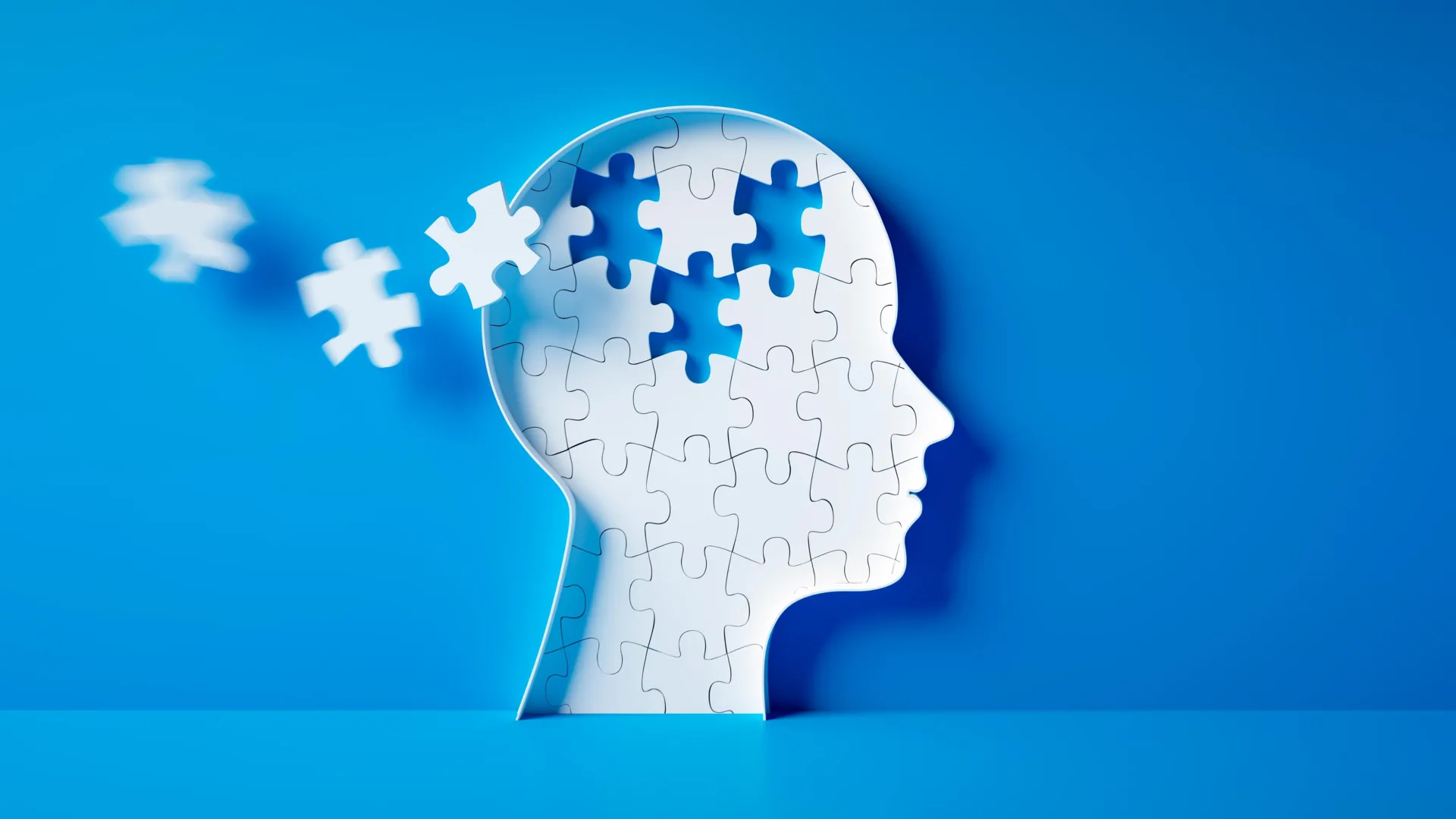
The researchers say changes in memory and thinking may reflect a stage of human development, rather than deterioration alone. Their proposal, called the adaptive aging hypothesis, draws on findings from molecular biology and brain imaging and was published in Perspectives on Psychological Science.
Two systems for experience
The hippocampus helps preserve details about events, including their circumstances. The frontal cortex plays a larger role in finding patterns, drawing broader meaning and identifying an experience’s central message, or “gist.” According to the researchers, healthy aging brings a shift in emphasis: less reliance on the hippocampus and more on the frontal cortex. That balance may help people interpret new information using what they already know, rather than record each experience in precise detail.
From learning to sharing
Young people need to absorb information as they build an understanding of the world. Later in life, people have accumulated memories, concepts and experience, so connecting new information to that foundation may become more useful than retaining every detail.
The researchers say similar changes in animal models suggest the transition could have an evolutionary basis. Fernandez proposed that biological changes may help older people preserve and pass on knowledge, supporting roles such as teaching, mentoring and storytelling.
Key points
- The adaptive aging hypothesis frames some cognitive changes as development, not decline alone.
- Researchers say aging shifts emphasis from detailed recall toward broader interpretation.
- Accumulated experience may support teaching, mentoring and sharing knowledge across generations.