Decades of protest over France’s culture of violent policing means battle over its streets remains active
A distinctive approach to protest
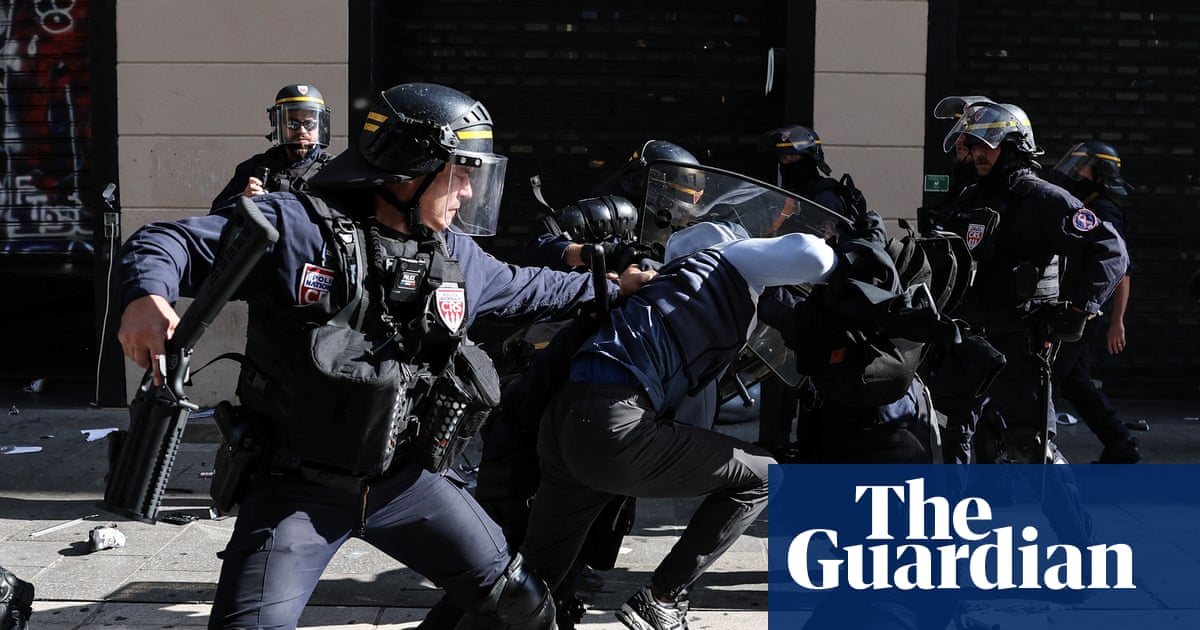
Images of teargas, baton charges and protesters struck by stun grenades have renewed attention to French policing. The country’s approach is rooted in a mix of history, politics, state organisation and a security culture built up over generations.
The article contrasts France with the UK, where police have been regarded since the early 1800s as public servants whose authority comes from consent and whose main task is keeping the peace. In France, police are described instead as agents of state authority charged with repressing, rather than managing, public dissent.
Tactics and their consequences
French police commonly use tactics that encircle and trap crowds, alongside weapons described as “intermediate” or less-than-lethal. Many of these weapons are banned or tightly restricted elsewhere in Europe.
The weapons are intended to disperse crowds through impact and a 160dB acoustic shock. They have caused injuries including lost eyes and teeth, fractured jaws and amputated limbs, and can also trigger widespread panic.
A cycle of confrontation
The article links confrontational policing to France’s political structure. Unlike in Germany or the Netherlands, unions are not formal government negotiating partners, while the presidential system of the Fifth Republic limits institutional consultation.
This can create a cycle in which authorities view large crowds as an existential threat and deploy police. Military-style tactics, rather than community-based containment and de-escalation, may then deepen hostility. Monitoring data from Acled indicates France does not consistently have western Europe’s highest number of demonstrations; Germany and Italy also compete for that distinction.
Renewed debate over police powers
France’s crowd-management practices have faced decades of criticism from international human rights monitors and civil society organisations, including Amnesty International, Human Rights Watch and the Council of Europe. Last month, thousands marched against a proposed law that would create a legal “presumption of self-defence” for police officers and gendarmes who use firearms while on duty. Critics say the measure would entrench impunity and strengthen a system that treats dissent as insurrection rather than a democratic reality to manage.
Key points
- French police frequently use crowd tactics and weapons linked to serious injuries and panic.
- France’s political structure limits formal consultation with unions.
- Human rights organisations have criticised French crowd policing for decades.
- Thousands protested last month against a proposed legal presumption of police self-defence.