Pacific region sea levels have already risen 1 foot as El Niño raises coastal risks
Warm water lifts the eastern Pacific
NASA Sentinel-6 altimetry measurements indicate that parts of the eastern Pacific have risen as much as 1.3 feet, or 40 centimeters, during this El Niño. The rise is linked to the expansion of warm water.
Researchers say the highest levels coincide with Kelvin waves: long swells of warm water moving east toward the Pacific coasts of North and South America. These waves also affect the trade winds above them.
Study warns of coastal risk
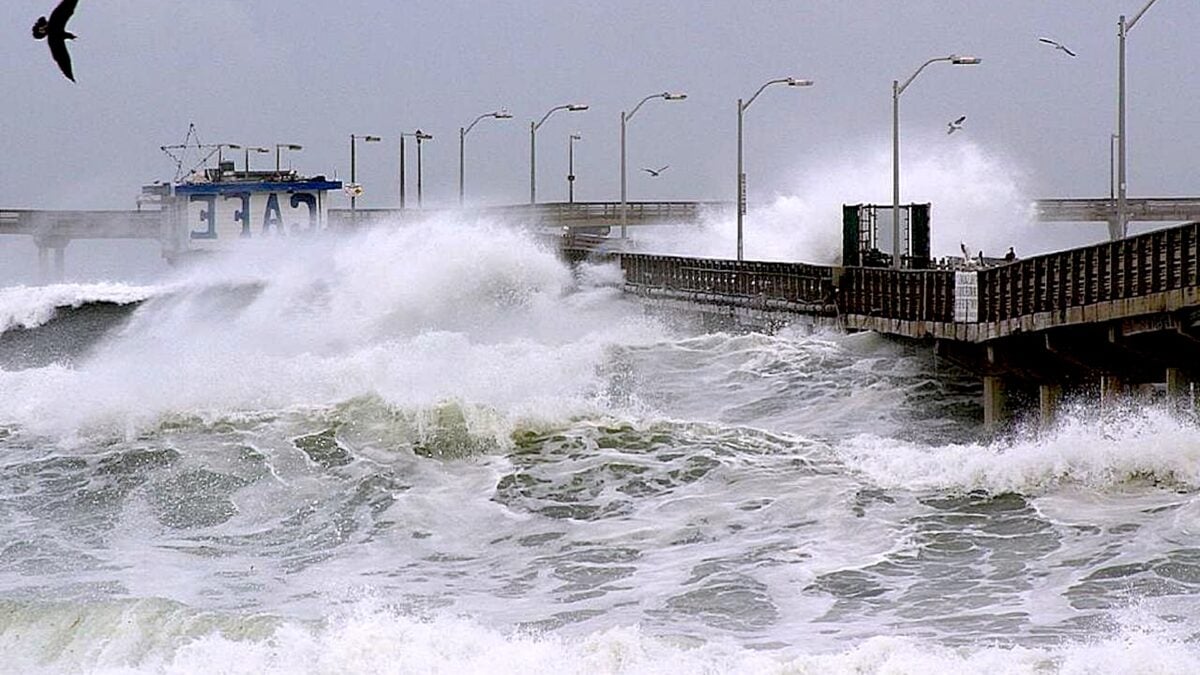
A pre-print study undergoing peer review projects a tenfold increase in extreme sea-level risk along coastlines from Alaska to Chile during the 2026–27 El Niño. The research was conducted by Thomas Monahan with colleagues at Woods Hole Oceanographic Institution and the University of Central Florida.
The researchers say the combination of tidal conditions and this year’s “Super” El Niño could bring 99th-percentile extremes during as many as half of high waters at some sites, with potential flooding and ecological impacts. They compare the projected conditions with events climate models typically place 40 or 50 years in the future.
Tides and past events
The study also considers the Moon’s 18.6-year lunar nodal cycle, which affects tides. Researchers expect the biggest tide peaks during Thanksgiving week and Christmas week, periods when many people travel and gather.
The authors say strong El Niño events may raise sea levels more steeply than a simple linear estimate based on smaller events would suggest. They also note that global mean sea levels rose an estimated 7.8 inches, or 20 centimeters, after the 1877–78 El Niño.
Map offers local projections
Monahan said flooding had already occurred in California after tropical storm Rachel. He and his coauthors have created the interactive El Niño Flood Watch map to help people compare the research projections with local conditions.
The tool covers Pacific coast locations in the Western Hemisphere and Hawaii. Its Oxford-hosted page says the results are projections, not official warnings; Monahan said there is still time to prepare.
Key points
- Satellite data show parts of the eastern Pacific have risen as much as 1.3 feet.
- A pre-print study forecasts a tenfold rise in extreme sea-level risk during the 2026–27 El Niño.
- Researchers expect the largest tide peaks during Thanksgiving and Christmas weeks.
- The El Niño Flood Watch map provides projections, not official warnings.