Why natural hazards obey no electoral cycles—and the crucial choices facing the next government
Risks extend across daily life
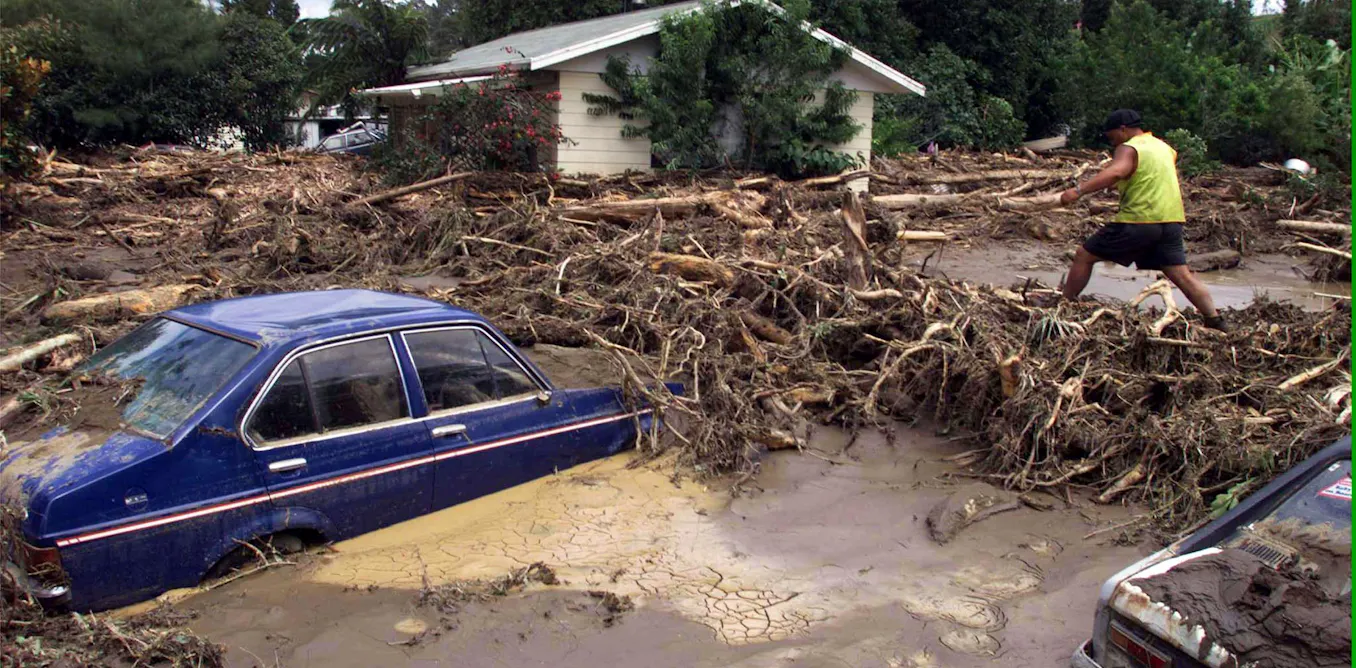
Natural hazards affect the economy, health and wellbeing, housing, insurance costs and the burdens passed to future communities and taxpayers. New Zealand is exposed to floods, tsunamis, coastal erosion, severe storms, earthquakes, landslides, wildfires and droughts.
Climate change and continued development are expected to increase exposure and risk, making adaptation strategies necessary. Insured losses from the 2023 Auckland anniversary weekend floods exceeded NZ$2 billion, though disruption, infrastructure damage and health effects add costs beyond insurance claims. Political parties may choose different policies, but their decisions influence how often hazards become disasters, the scale of impacts and the speed of adaptation and recovery.
Science needs practical action
New Zealand has expanded investment in hazard science, mapping, risk modelling and post-disaster inquiry. Researchers say knowledge of exposed communities and infrastructure has improved, as have tools for assessing climate impacts; artificial intelligence may further strengthen modelling and forecasting.
Information alone is not enough. The researchers argue for closer connections between science, policy and practice, investment in capability, and long-term decisions made despite uncertainty. They say natural hazard risk and resilience should be treated as a lasting national challenge, rather than one tied to electoral cycles.
Development can lock in risk
Choices about housing, transport, water infrastructure and urban expansion can either reduce hazard exposure or increase it. This creates a policy tension between near-term certainty from development and uncertainty about longer-term costs.
A proposed fast-tracked development in South Auckland would place thousands of homes on flood-prone land. Auckland Council and others raised concerns, but the project passed the central government’s fast-track consenting process and was the subject of a High Court appeal, with a decision pending at the time of writing.
Faster consenting and fewer rules can enable development, but may also weaken safeguards for homes and infrastructure in safer locations. The researchers say the goal is not to stop growth, but to steer it away from avoidable risk.
Investing in resilience over time
Auckland Council and the government have committed around NZ$1.25 billion to buy more than 1,100 properties considered to face an intolerable risk to life. The researchers say reducing exposure is essential to limit significant future costs for communities and ratepayers.
They call for clearer and stronger policy settings, alongside continued investment in science, infrastructure, policy, emergency management and community preparedness. Acting on hazard information, they add, involves the private sector, infrastructure providers, iwi and mana whenua as well as government.
Key points
- New Zealand’s natural hazards affect health, the economy, infrastructure and future public costs.
- The 2023 Auckland anniversary weekend floods caused more than NZ$2 billion in insured losses.
- Development decisions can reduce exposure or embed risk for future communities.
- Researchers call for sustained investment and action beyond electoral cycles.