Loneliness may steal nearly 6 years of good health
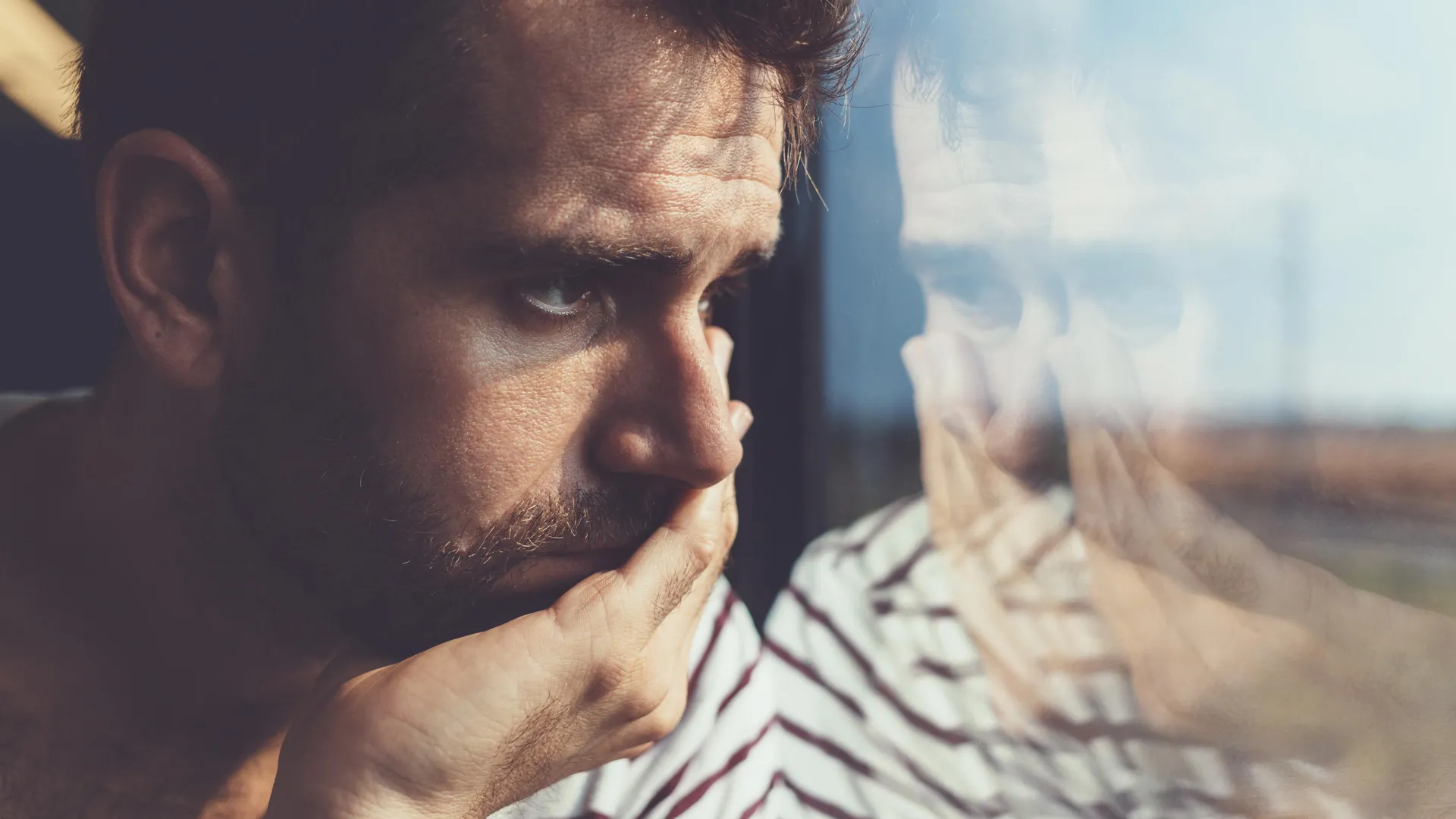
Loneliness and social isolation may cost people years of healthy life, with an especially striking toll on mental health.
Loneliness and social isolation are widespread in the United States. According to a 2023 report, about half of U.S. adults experience loneliness, while nearly as many are socially isolated. Despite health consequences that can rival other major risk factors, both problems remain relatively overlooked as urgent public health concerns.
Until recently, however, researchers had little idea how many years of good health might actually be lost to loneliness and social isolation.
Researchers at Tulane University's Celia Scott Weatherhead School of Public and Tropical Medicine have now attempted to put a number on that toll. Their first-of-its-kind observational study, published in Nature Communications, found that loneliness and social isolation were associated with the loss of nearly six years of life free from mental disorders such as depression and anxiety. The effects on physical health were smaller, but still significant.
"Overall, the study found that social isolation and loneliness can have a significant impact on disease-free life expectancy," said lead author Lu Qi, HCA Regents Distinguished Chair and professor in Celia Scott Weatherhead School of Public and Tropical Medicine at Tulane. "This includes both physical and mental disease."
Although loneliness and social isolation are often treated as the same thing in everyday conversation, researchers distinguish between them. Social isolation refers to an objective lack of social connections. Loneliness, by contrast, describes a person's subjective dissatisfaction with the quality of their relationships, regardless of how many social interactions they actually have.
"The findings weren't surprising to me," Qi said. "Previous studies found that social isolation and loneliness are related to mortality, especially premature mortality, and this study provides additional evidence."
The researchers analyzed data from 277,489 adults between the ages of 40 and 69. At the beginning of the study, none had seven major chronic conditions: diabetes, heart disease, lung disease, dementia, cancer, depression and anxiety.
Using age 50 as a reference point, the team calculated how loneliness and social isolation were associated with the number of years participants could expect to live without these diseases.
Compared with people who experienced neither loneliness nor social isolation, women experiencing both had 2.4 fewer years free from physical disease. Men experiencing both had 1.7 fewer years.
The difference was even larger for mental health. Women experiencing both loneliness and social isolation lived about 3.7 fewer years without mental disorders, while men lived approximately 5.8 fewer years free from those conditions.
"This comes down to the gender differences between men and women," Qi said. "Our research found men are more susceptible to being affected by loneliness. We also know that women tend to live longer than men. There are gender advantages with certain diseases."
Dive deeper
- Loneliness and social isolation may cost people years of healthy life, with an especially striking toll on mental health.
- Loneliness and social isolation are widespread in the United States. According to a 2023 report, about half of U.S. adults experience loneliness, while nearly as many are socially isolated. Despite health consequences that can rival other m
- Until recently, however, researchers had little idea how many years of good health might actually be lost to loneliness and social isolation.
- Researchers at Tulane University's Celia Scott Weatherhead School of Public and Tropical Medicine have now attempted to put a number on that toll. Their first-of-its-kind observational study, published in Nature Communications, found that l
- "Overall, the study found that social isolation and loneliness can have a significant impact on disease-free life expectancy," said lead author Lu Qi, HCA Regents Distinguished Chair and professor in Celia Scott Weatherhead School of Public