

Lake Ontario Renaming Idea Draws Anger and Reopens Questions of History and Power
Reactions Across the Border
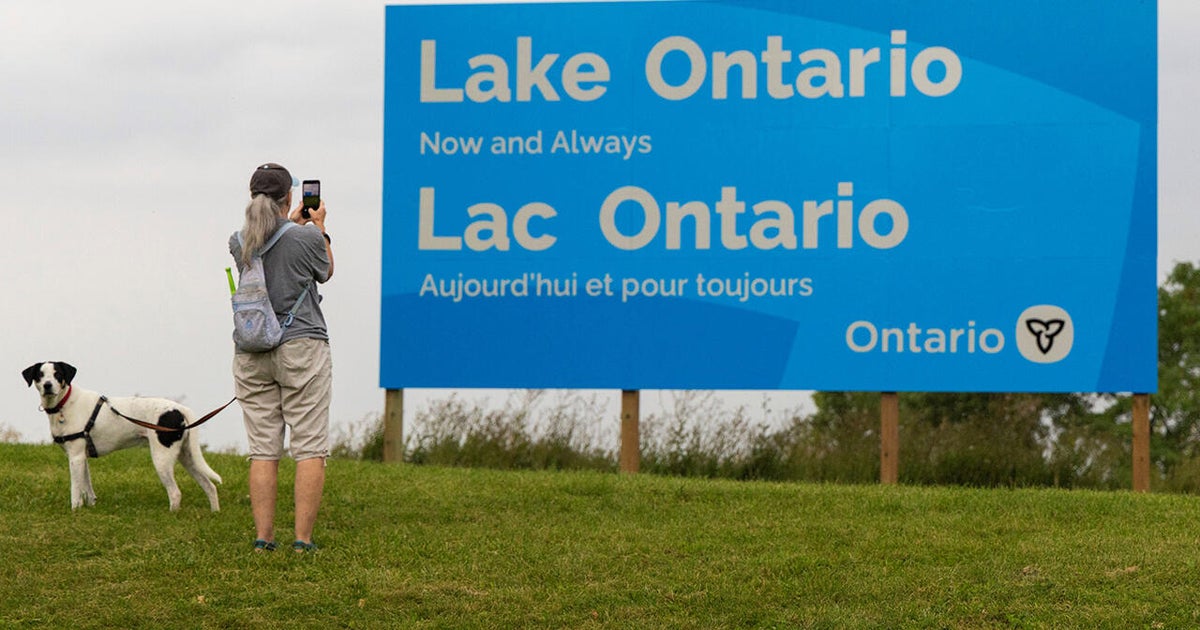
Susan Peterson Gateley, a biologist, sailor and educator, has spent her life on Lake Ontario, which covers 7,300 square miles between Canada and the United States. She described the lake as vital to the region and said its historic, cultural and economic significance is often overlooked.
Gateley said her first response to the renaming idea was that it seemed silly, then wondered how Canada would view it. Reactions on both sides of the border have mostly ranged from ambivalence to anger, though cable news commentator Sean Hannity expressed support for the name Lake America.
Seneca Nation Objects
J.C. Seneca, a former president of the Seneca Nation, said he felt offended and disappointed. He told “Sunday Morning” that the proposed change reopened wounds that remain unhealed.
Seneca said Indigenous people lived in the area before either the United States or Canada, and that the lake’s existing name is the one they used. He also said a treaty provided a process for resolving disputes involving the United States, the Seneca Nations and other Haudenosaunee nations.
Naming and Political Power
The Interior Department has a Board on Geographic Names that offers federal guidance, although the president can direct it. An Interior Department spokesperson defended the president’s authority, saying the name would reflect pride in the United States.
Yale American Studies professor Laura Barraclough said disputes over place names follow longstanding patterns. She pointed to early maps that included names chosen for prominent figures, including a river named after Thomas Jefferson, who had not joined the Lewis and Clark expedition, though he funded and sponsored it.
Barraclough also described how railroad companies in the 1800s invented or imposed names as they developed towns and homesteads. Some places shown on historical maps never developed, becoming what she compared to ghost towns; she said communities still have power to use names meaningful to them.
Key points
- Lake Ontario spans 7,300 square miles between Canada and the United States.
- Reactions to the proposed renaming have ranged from ambivalence to anger.
- J.C. Seneca said the idea reopened unhealed wounds for Indigenous people.
- Laura Barraclough said place names can reflect power, but communities may keep using names meaningful to them.