

Why Netflix’s 10-Episode Drama Is So Good Even Its Weakest Episode Feels Like a Masterpiece
An unusually high bar
A show’s success can shape how audiences judge individual episodes. A season may be strong on its own terms yet seem less impressive beside an exceptional earlier run, as with Twin Peaks, or when long-running series face comparisons with their past work.
Miniseries can avoid that problem by completing their stories without a weak episode. The Haunting of Hill House comes close: Mike Flanagan’s Netflix horror series has one outing that feels less cohesive than the rest, but still stands out as strong television.
Theo investigates a child’s trauma
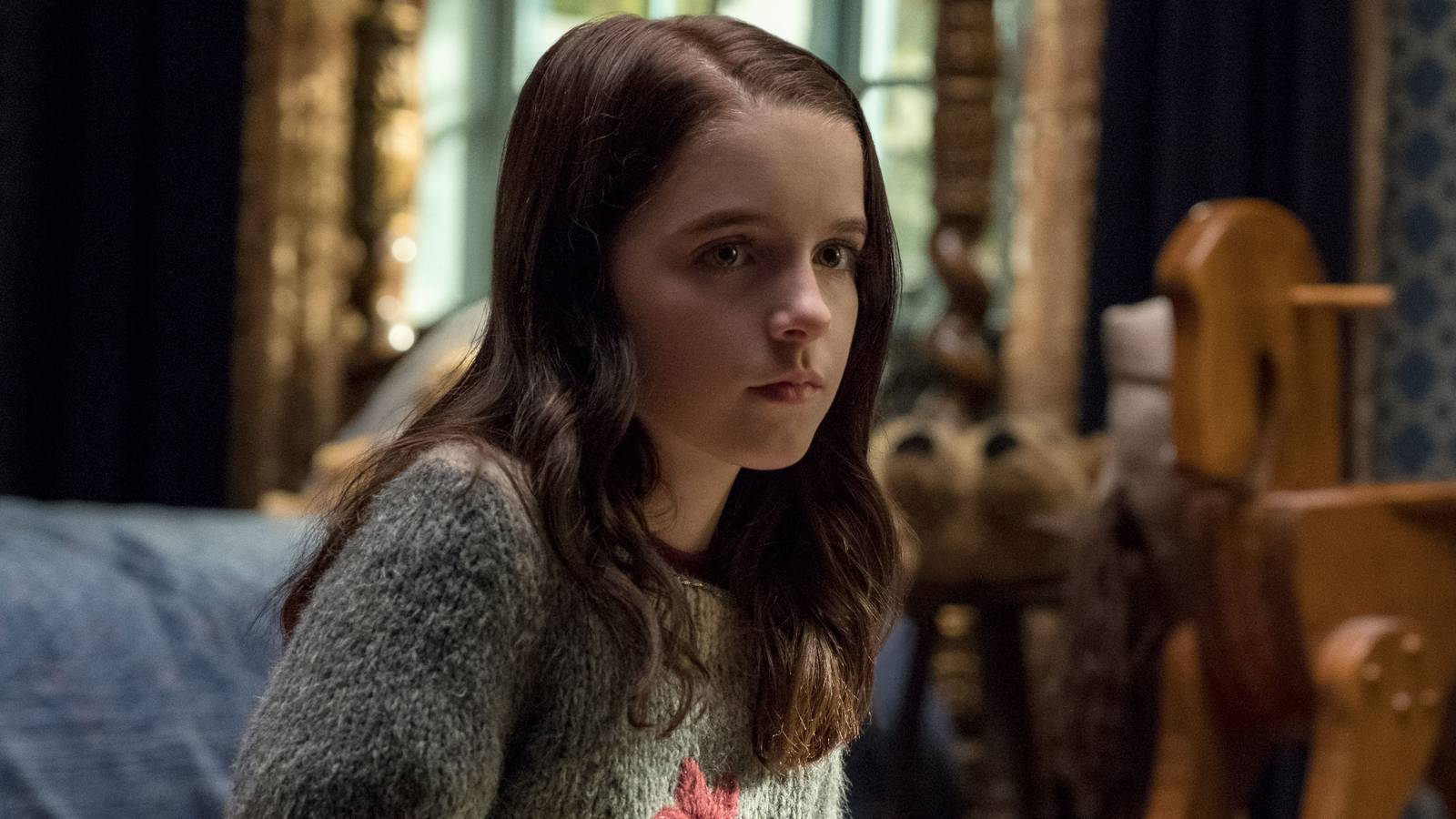
In episode three, “Touch,” Kate Siegel plays Theo Crane, a troubled alcoholic who can sense memories, motives and thoughts by touching people or objects. The ability is unwelcome, but it draws her into examining a disturbed child’s family life and the source of the child’s trauma.
That case gives the episode the feel of a darker psychic-investigator series. Its procedural approach, however, sits uneasily beside the larger family drama, and the plot can seem unusually lurid compared with the rest of the show.
A disturbing standalone story
“Touch” shifts deftly between past and present, and its horror remains effective. The episode also introduces Theo while confronting the reality that abuse can begin at home; its treatment of those themes feels grounded rather than escapist.
The story includes the show’s Mr. Smiley jump scare and some of its darkest moments. Although its tone differs from the surrounding episodes, “Touch” still works as a compelling piece of standalone horror.
The rest of the series shines
The episode’s main disadvantage is the company it keeps. The series’ ending is described as devastating and beautiful, while “The Bent-Neck Lady” and “Screaming Meemies” are singled out as especially frightening episodes.
“The Twin Thing” is praised as a possible high point, with Oliver Cohen-Jackson’s performance at its center. “Two Storms” is also noted for its “one-take” execution, leaving “Touch” to measure up against a run of unusually accomplished television.
Key points
- “Touch” follows Theo Crane as her psychic ability leads her to investigate a child’s trauma.
- Its procedural structure contrasts with the series’ broader family drama.
- The episode is unsettling and effective, despite being the show’s weakest outing.
- The surrounding episodes set an exceptionally high standard.