

Israel’s Netanyahu and Eisenkot hold talks in push for a unity government to break deadlock
A rotating leadership proposal
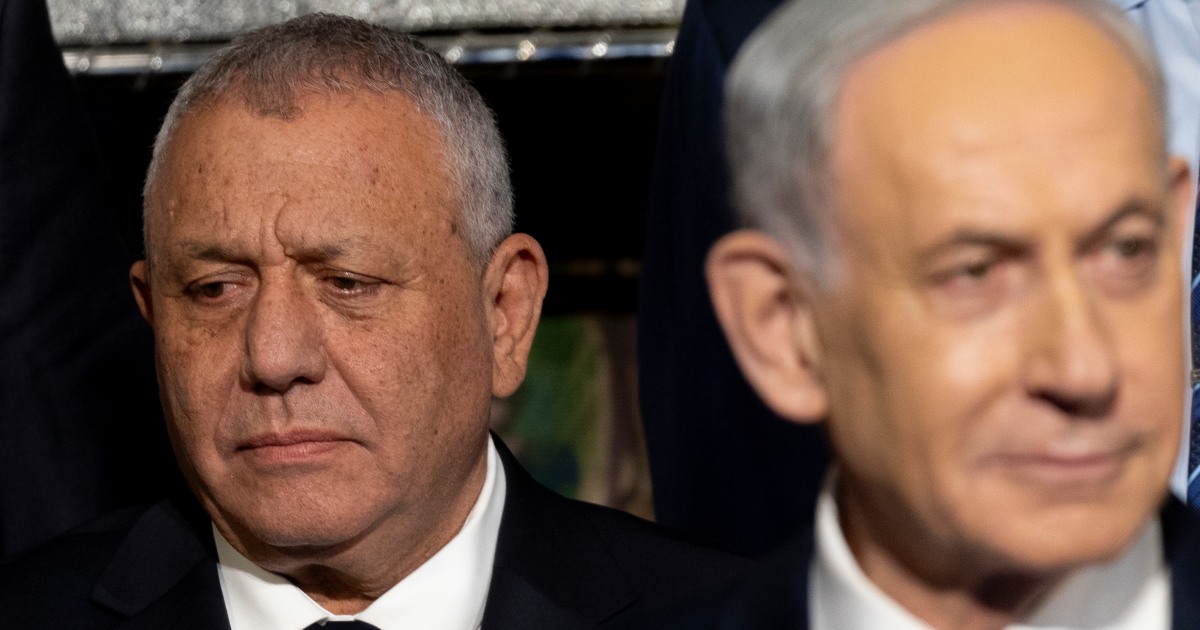
Netanyahu, Israel’s caretaker prime minister, said Saturday he would accept Eisenkot serving first under a rotating premiership. The proposal would temporarily put Netanyahu out of power. Netanyahu said his leadership duties required him to set other matters aside. He said an agreement would protect Israel’s security and future.
Eisenkot, who campaigned on removing Netanyahu, said he was willing to judge Likud’s intentions over the next 24 hours if the party was serious about unity. Likud is Netanyahu’s right-wing party.
Election leaves blocs short
Neither Netanyahu’s nor Eisenkot’s coalition bloc won the 61 Knesset seats needed for a majority in the late-October election. The result has left talks over a governing coalition unresolved.
Arab-led parties won 19 seats, giving them considerable influence in negotiations. Both Netanyahu and Eisenkot had said they would not work with those parties.
Eisenkot faces coalition hurdles
President Isaac Herzog gave Eisenkot the first chance to form a coalition earlier this month. Eisenkot has not yet secured enough backing for an alliance opposed to Netanyahu.
Such an alliance would need support from Israeli parties with differing political views, including Arab-led parties. Eisenkot has set four conditions for potential partners: recognition of Israel as a Jewish state, commitment to the values of its independence, mandatory military service for all citizens, and recognition of Hamas as a terrorist organization.
Key points
- Netanyahu and Eisenkot held talks Sunday on forming a national unity government.
- Netanyahu proposed a rotating arrangement in which Eisenkot would serve as prime minister first.
- Both blocs fell short of the 61-seat Knesset majority after the late-October election.
- Arab-led parties won 19 seats, while Eisenkot continues seeking coalition partners.