

A rejected coffee substitute drove east germany to boost vietnam's coffee industry and secure supplies
A costly coffee shortage
A poor harvest in Brazil sent global coffee prices soaring, creating serious problems for East Germany. The East German Mark had no value abroad, and the government already struggled to obtain the hard currency needed for imports.
East Germany spent around 150 million Valutamarks on imported coffee in 1974 and 1975. The next year, the bill was almost five times higher. State-set retail prices could not rise to reflect those costs, historian Stefan Wolle told DW.
The unpopular substitute blend
On August 1, 1977, the government introduced Kaffee Mix as a replacement for popular brands including Kosta, Rondo and Mocca Fix. The blend contained 51% imported coffee beans, with rye, barley, chicory and either spelt or sugar beet making up the rest.
Wolle recalled that the drink tasted bad. The mixture also expanded and clogged filters in cafeterias and restaurants; some machines were reportedly said to have exploded. Consumers boycotted it, and more than 14,000 complaint letters reached government offices.
Coffee as a social ritual
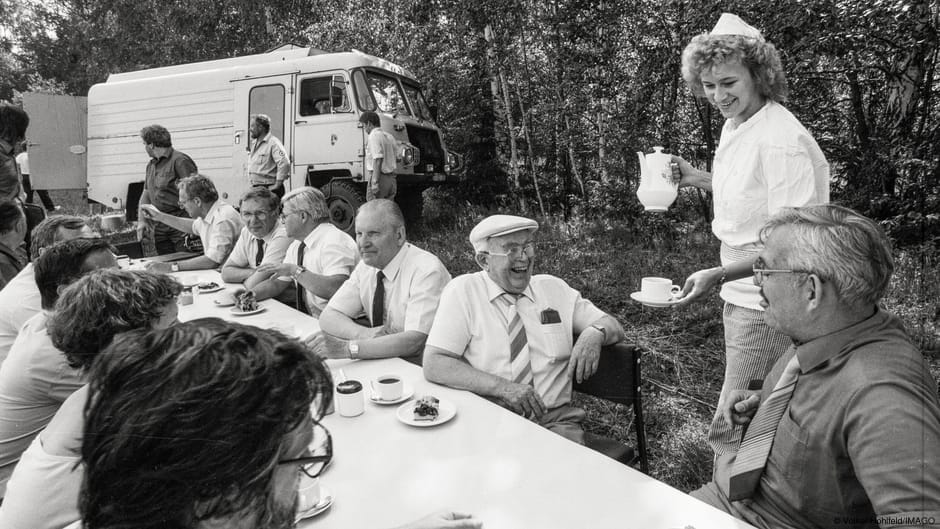
Coffee held a central place in East German social life, Wolle said. During the 1960s and 1970s, people often gathered over coffee after lunch, with homemade cakes or bakery treats.
Real coffee remained occasionally available in larger cities, but people in smaller towns and rural areas often had to rely on Kaffee Mix. Packages from relatives and friends in West Germany offered another source: an estimated 25% of coffee consumed in East Germany came from the West, and the share briefly rose during the crisis.
Turning to socialist allies
On September 1, the Stasi told the Socialist Unity Party leadership that Kaffee Mix was being rejected by broad sections of the population. The party, known as the SED, was East Germany’s only ruling party at the time.
The article says East Germany’s leaders then sought help from socialist allies in Africa and negotiated special arrangements. It ends as that account turns toward Vietnam, but provides no further details of the arrangements or their effects on Vietnam’s coffee industry.
Key points
- A Brazilian harvest shortfall drove up coffee prices and strained East Germany’s ability to pay for imports.
- Kaffee Mix, introduced in 1977, contained 51% imported coffee and prompted widespread boycotts.
- More than 14,000 complaint letters were sent to government offices.
- The account mentions a turn toward socialist allies, but gives no details of Vietnam’s role.