

6,025 deaths: Congo Ebola toll soars past 6,000 in nation’s deadliest outbreak on record
The outbreak’s growing toll
The latest government figures count 6,025 deaths and 12,254 confirmed infections across eight provinces. The outbreak is Congo’s 17th recorded encounter with Ebola, and its deadliest to date.
The crisis is exceeded in scale only by the 2014–2016 West African outbreak. That epidemic infected more than 28,600 people and killed over 11,000 in Guinea, Liberia and Sierra Leone.
Treatment and containment obstacles
The outbreak was declared on 15 May and is caused by the Bundibugyo species of Ebola. No vaccine or treatment for this strain has been approved. Health experts point to funding shortages, distrust of medical facilities and insecurity as major obstacles to stopping transmission. The World Health Organization said earlier in November that fighting in northeastern Ituri province left medical workers trapped in a hospital for three days.
Deaths outside care settings
The reported fatality rate remains 49 per cent. Many people reach medical centres late or do not seek care, and Africa CDC data presented earlier in November said more than 60 per cent of deaths were occurring outside treatment centres.
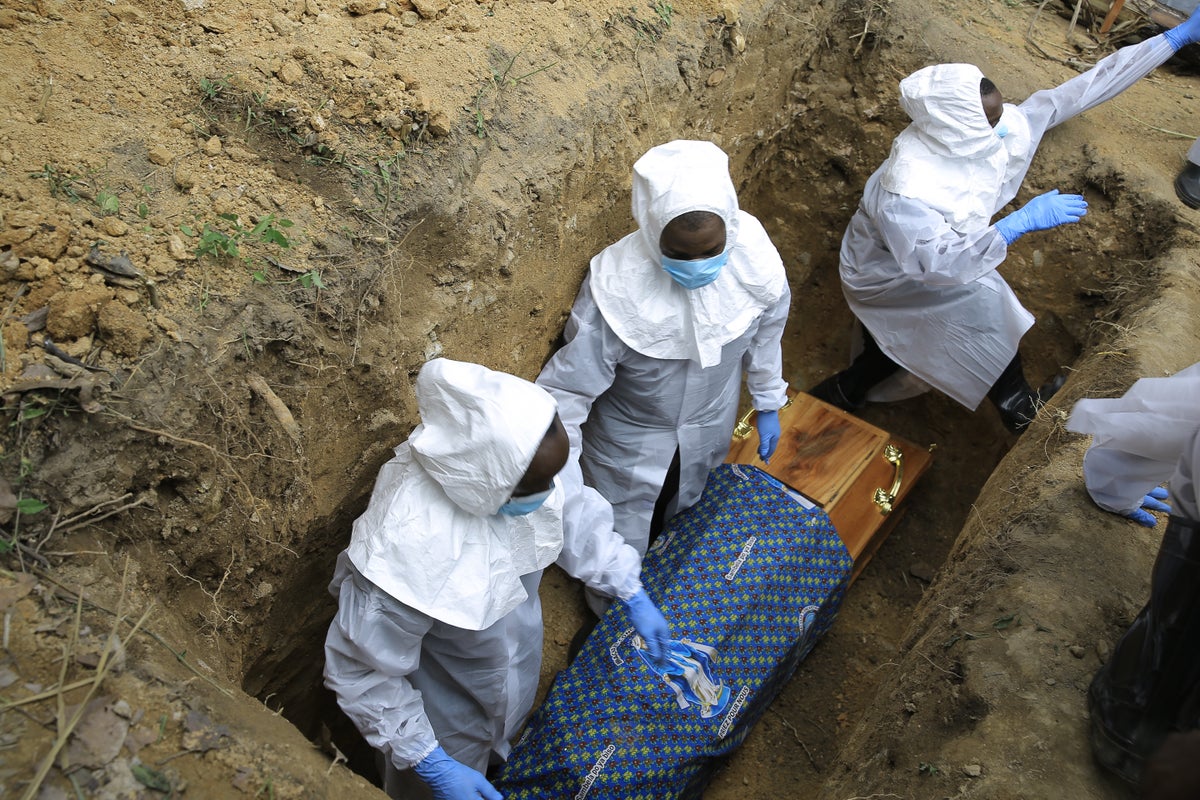
People who die in their communities may not have been isolated, creating opportunities for infection to spread before their deaths. Separately, an analysis of satellite images suggests official mortality totals could be substantially too low in two heavily affected areas.
Key points
- Government figures report 6,025 deaths and 12,254 confirmed infections across eight provinces.
- The reported fatality rate is 49 per cent, and more than 60 per cent of deaths occur outside treatment centres.
- Satellite imagery analysis suggests official death figures may be understated in two hard-hit areas.