

CA insurance commissioner Jane Kim’s radical plan to overhaul wildfire coverage
A public fund for wildfire risk
Kim’s proposal would keep commercial insurers involved in selling policies but put the share of premiums for wildfire risk into a publicly administered fund. The fund would be valued at between $3 billion and $6 billion.
Some of the money would help residents make structural improvements, including installing fire-resistant roofs. Kim said the aim was to spend more on prevention and reduce future claims.
Insurers retreat as losses mount
State Farm and Allstate have halted new policy sales in California, and more homeowners have turned to the state’s insurer of last resort. Enrollment there has increased as commercial providers pull back.
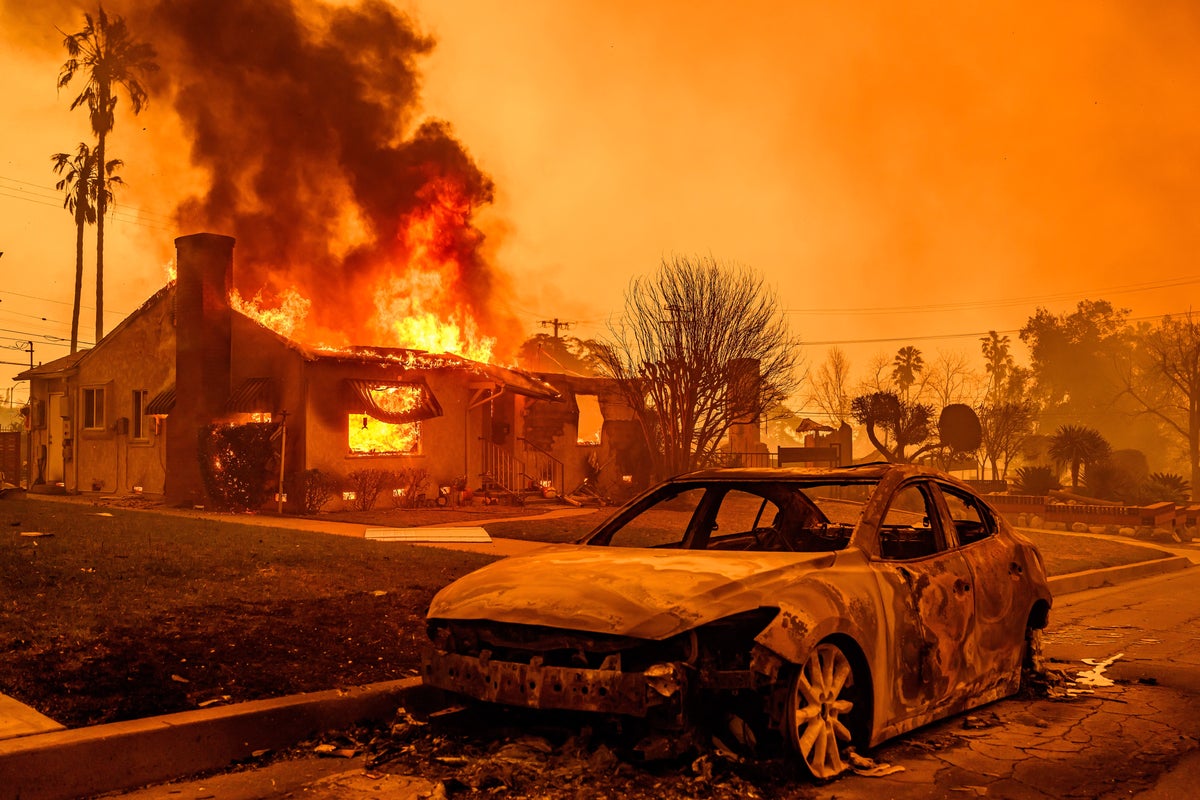
In January 2025, twin fires in the Los Angeles region destroyed roughly 17,000 buildings and caused nearly $4 billion in damages. Californians collectively spend an estimated $18 billion a year on property insurance, with about $3 billion to $6 billion allocated to wildfire protection.
Rates would still reflect exposure
The proposed program would set premiums using factors already common in the market, including property value and local wildfire exposure. Residents near brushland or forests could therefore continue to pay high rates, although coverage would be guaranteed.
Industry observers have warned that the system should avoid subsidizing premiums if it is to remain financially sound. Kim said she would explore requiring private insurers to contribute at the outset and seek funds from utility providers and municipal governments.
Questions over design and support
The National Flood Insurance Program, established in 1968, is the most prominent public insurance alternative in the United States. California’s earthquake insurance program relies significantly on private reinsurance, which costs more than $8 billion annually, while private carriers sell policies and the overall fund is publicly managed.
Dixon said public insurance programs could work well or poorly depending on their design. Chen said some fire survivors had paid private insurers for decades before being moved to the state’s last-resort plan shortly before the Los Angeles fires, leaving those companies with no obligation to help after the losses; she also said her organization had not been consulted.
Key points
- Kim proposes a public wildfire fund worth between $3 billion and $6 billion.
- Commercial insurers would continue selling policies under the proposed system.
- Homeowners in high-risk areas could still face high premiums despite guaranteed coverage.
- January 2025 fires in the Los Angeles region destroyed roughly 17,000 buildings.