

How Chinese Designers Aim to Sell EVs to Americans: Lessons on Trust and Convenience | Jalopnik
Different markets, shared lessons
China and the United States have very different car markets. In 2026, EVs accounted for 53% of new-car sales in China, compared with 6.4% in the United States.
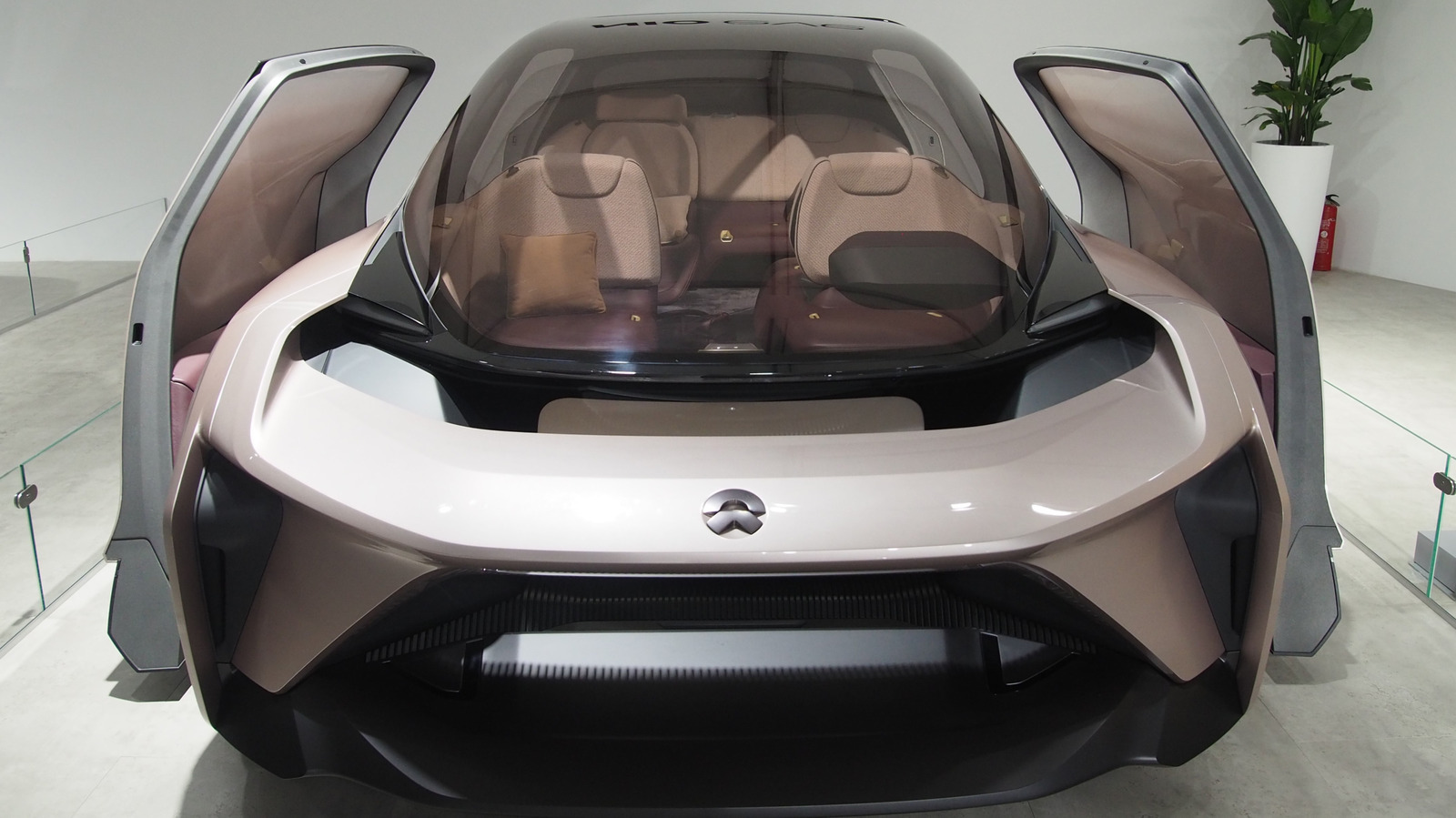
Michael Tropper has spent two decades studying China and living there. His London- and Amsterdam-based design house, forpeople, has worked with Nio across its branding, including its logo and battery-swapping network.
Making EV ownership easier
Tropper says U.S. automakers could learn from Nio’s effort to address public-charging frustrations by making charging and related services part of the ownership experience. Nio’s network has 4,236 stations and handles 110,000 battery swaps daily, with a swap completed every 0.77 seconds.
In an interview with Jalopnik, Tropper said Nio considered the full EV ownership experience, rather than focusing only on vehicle features. That approach led to battery swapping and battery-as-a-service, which he said are meant to ease ownership and strengthen customer relationships.
Design with broad appeal
The Nio Firefly was first designed for European buyers, but the company put it on sale in China first after Europe imposed tariffs on some Chinese car brands. Tropper said the design aims to be spirited, simple and distinctive while reaching a wide range of audiences.
He also pointed to different design directions among other EV makers. Rivian’s R3X draws on classic rally cars without being bound to their history, while Scout emphasizes heritage, Slate favors simplicity and tactile interactions, and Lucid looks toward the future.
Trust in the details
Tropper sees room for varied approaches as EV technology becomes more alike, with design helping brands stand apart. He said Chinese brands tend to look toward the future, while Western brands increasingly draw on their past; familiar styling can help a vehicle stand out among futuristic EVs.
Trust, he said, also depends on the feel and precision of a vehicle’s small details, such as a door handle or hood. These tactile interactions can shape whether customers feel at ease or uncertain about the product.
Key points
- China’s EV share of new-car sales was 53% in 2026, versus 6.4% in the United States.
- Nio’s network includes 4,236 battery-swapping stations and performs 110,000 swaps each day.
- Tropper says distinctive styling can help EV brands stand apart as technology converges.
- He says precise, tactile details can build trust in a vehicle.