

Beware Invisible Cows: Hawaii’s Weirdest Road Signs Want Drivers Careful, OK? | Jalopnik
A warning on Mauna Kea
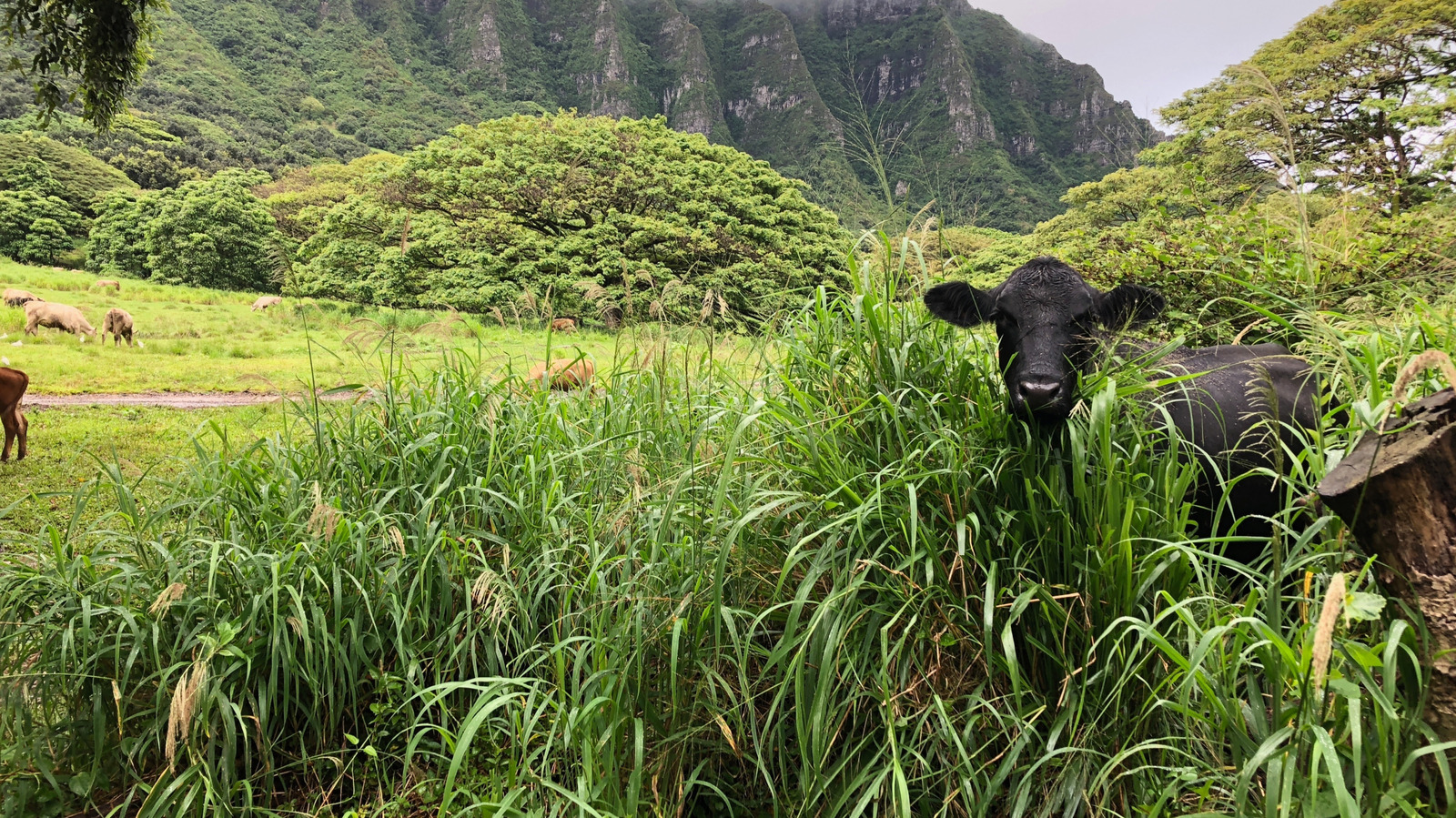
Among the animal warnings drivers encounter, Hawaii’s signs cautioning about “invisible cows” stand out. They are posted along the foggy, dimly lit Mauna Kea Access Road, where dark-colored cattle can be hard to spot.
The signs are not describing cloaked animals. They alert motorists that cows roam the mountain and nearby areas, creating a risk of collisions, particularly when visibility is poor.
How cattle reached Hawaii
The cows are not native to Hawaii. In the late 18th century, Captain George Vancouver, a visiting Brit, gave several cows to King Kamehameha. The king saw economic potential in cattle and prohibited hunting the newcomers. The population grew rapidly: by 1848, an estimated 35,000 cows roamed the Big Island, damaging local plants and wildlife as an invasive species.
Ranching and road dangers
Spanish-Mexican cowboys, known as vaqueros, were brought in to teach Hawaiians cattle-wrangling skills. Hawaiian cowboys, called paniolos, began managing the roaming cattle and eventually established ranches. As automobile use grew, cows crossing Mauna Kea Access Road became a hazard. Eyewitness accounts cited in the report describe thick fog at higher elevations, especially in afternoons and evenings, making the animals difficult to see.
Managing the remaining risk
State-sanctioned hunts and fences now help control the cattle problem. Even so, the warning signs remain in place because cows can still be difficult to spot on the high-elevation road.
Drivers traveling Mauna Kea’s treacherous upper road sections are urged to heed the signs. Poor lighting and fog can make a wandering herd a serious danger.
Key points
- The signs warn drivers about dark cattle roaming Mauna Kea Access Road.
- Captain George Vancouver gave cows to King Kamehameha in the late 18th century.
- An estimated 35,000 cows roamed the Big Island by 1848.
- Fences and state-sanctioned hunts help manage the cattle today.