

Wales ethnic minority groups four times more likely to be police facial scans target, data shows
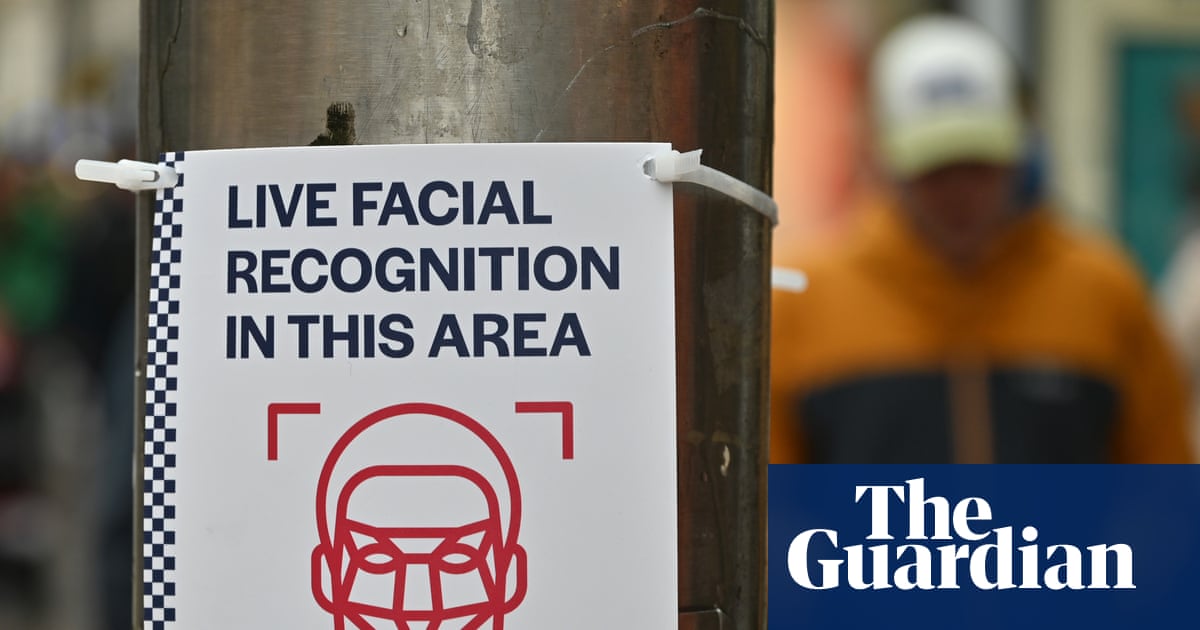
How the scans are used
South Wales police operates in Wales’s largest cities, Cardiff and Swansea, and has developed several forms of AI-enabled facial recognition. In officer-initiated searches, officers take a person’s face with a smartphone and use the Neoface algorithm to compare it with custody mugshots and other databases.
The technology is intended to identify suspects, wanted criminals and missing people who do not provide their details, as well as people who are unconscious, uncommunicative or dead. South Wales is among the first UK forces to use the system routinely; a similar one is being trialled by the Metropolitan police and tested in Liverpool.
Who was scanned in 2025
Police initiated scans of 257 adults and 14 children during 2025, including two children under 10. More than half involved people suspected of crimes, being unlawfully at large or breaching bail conditions.
Other scans were prompted by officers’ concerns that someone might harm themselves or others. About one in 10 searches concerned a suspected missing person, while the system was used to identify a dead person roughly once every fortnight.
Concerns over racial bias
Big Brother Watch obtained the figures. Its head of research and investigations, Jake Hurfurt, said the data showed biometric tools being used disproportionately against minority communities and described the higher rate for non-white people as alarming.
The article also includes criticism that AI can reinforce existing bias if it shapes who is stopped and scanned. Another quoted voice said police should not make arrests based on AI tools alone; the article does not identify either speaker by name.
Police response and oversight
A South Wales police spokesperson said the force recognised concerns about disproportionality, while noting that the number of searches remained relatively small and the technology was in its early stages. The spokesperson said deployments reflected each case’s circumstances and received supervisory and force-wide scrutiny.
Key points
- In 2025, BAME people made up 24% of selected scans and 7% of the population.
- South Wales police scanned 257 adults and 14 children, including two under-10s.
- Most scans involved suspected crime, unlawful presence or bail breaches.
- A new Home Office watchdog is planned to enforce rules on police facial recognition.