

Romance, Mystery and Social Schemes: 10 Must-Read Gilded Age Dramas for Season 4 Fans
A period rich in stories
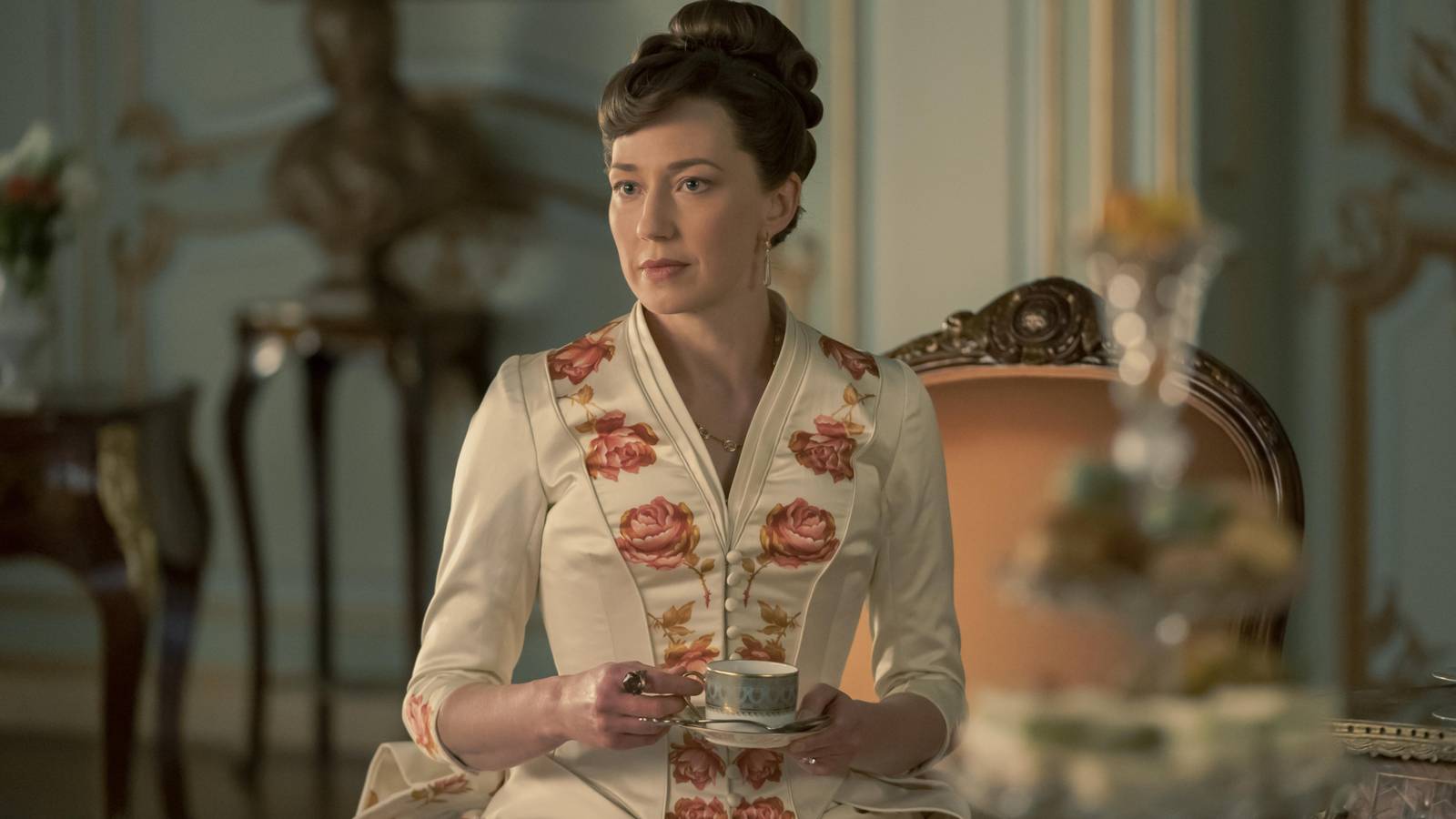
The Gilded Age’s new season scatters its ensemble around the globe. Peggy faces impending nuptials, Marian navigates a complicated relationship, Oscar and Enid carry on a sham marriage, and George tries to identify the person who sought to kill him.
The historical period covered three decades, from 1870 to 1900. Writers including Mark Twain, Edith Wharton, Henry James and Kate Chopin produced fiction during an era whose novels range from romance and political satire to murder mysteries and ghost stories.
These books portray tensions among established wealthy families, newly rich entrepreneurs and working people facing poverty, harsh conditions and political corruption. They also offer sweeping depictions of old New York and beyond.
Satire and social divides
Mark Twain and Charles Dudley Warner co-wrote The Gilded Age, a political satire about two families driven by greed and corruption as they pursue wealth. The novel sets immense riches against political turmoil and the economic struggles facing the wider country.
The book also gave the era its familiar name. Gilding means covering a cheaper metal with a thin layer of gold—a comparison to the upper classes’ display of excess amid hardship elsewhere.
Wharton’s changing world
Edith Wharton’s The Age of Innocence appeared two decades after the Gilded Age ended. Drawing on her experiences as a prominent Manhattan socialite, Wharton wrote a novel that became one of the era’s most recognized cultural works and helped establish her as a leading social commentator. She was the first woman to win the Pulitzer Prize for Fiction.
Set in 1870s Manhattan, the story follows a forbidden love triangle involving a wealthy young man, his conventional fiancée and her cousin, who is seeking a divorce. Its characters face old-money and new-money tensions as social expectations for women begin to shift.
Wealth and the cost of freedom
Henry James’s The Portrait of a Lady follows Isabel Archer, a wealthy young woman from New York who travels to Europe to inherit her family’s fortune. The inheritance brings new opportunities, but may also threaten her independence.
The story offers a darker parallel to Gladys Russell’s Season 3 experience in The Gilded Age. Like Gladys, Isabel encounters a world of wealth and status where the freedom to choose her own life remains uncertain.
A Vanderbilt-inspired heroine
The show’s Bertha Russell is fictional but draws heavily on Alva Vanderbilt, the real-life matriarch of the Vanderbilt family. Therese Anne Fowler’s bestselling novel offers a more direct fictionalized account of Vanderbilt’s life.
A Well-Behaved Woman follows a fictional version of Alva Vanderbilt. Though her family is poor, she marries William Kissam Vanderbilt, a newly wealthy railroad tycoon.
Key points
- Season 4 combines romance, social schemes and a mystery surrounding George’s would-be assassin.
- The Gilded Age spanned 1870 to 1900 and inspired fiction across many genres.
- The novels explore class divisions, political corruption, wealth and changing expectations for women.
- The featured works include stories inspired by Edith Wharton and Alva Vanderbilt.