

Godzilla Minus Zero Rated R: The Reason Has Nothing to Do With Monster Violence
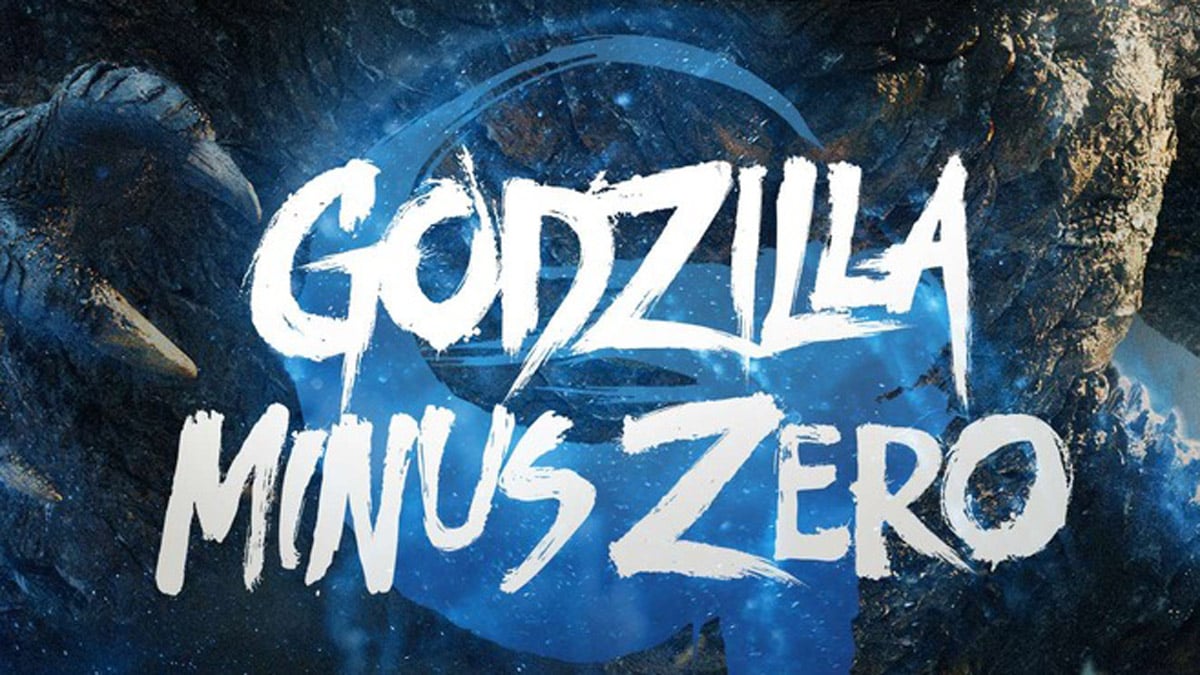
A record-setting opening
Directed by Takashi Yamazaki, Godzilla Minus Zero became the biggest opening ever for distributor GKIDS. It also recorded the largest domestic debut for a live-action foreign-language film. Opening-night audiences gave the movie an A CinemaScore, matching the grade received by the previous film. Its R rating, however, came from material beyond the monster action.
Why the film earned an R
The MPAA rated the movie R for “some violent content/bloody images.” Those images are not from the clashes between Godzilla and Ghidorrah. Instead, the rating reflects scenes depicting the atomic devastation of Hiroshima during World War II. The film shows post-war trauma, including bloodied survivors and victims in hospitals, as well as burned bodies at the bombing site.
Yamazaki stood by the scenes
Yamazaki told Variety that studios and directors want broad audiences to see their films, and that an R rating can create a barrier. He said discussions about whether the movie could have received a PG-13 rating were expected.
But Yamazaki said certain scenes were essential to the film and that cutting or censoring them was not an option. He also said an R rating can now create expectations that a film’s content and its creators’ voices have not been censored.
A country facing another threat
The film’s premise describes Japan as reduced to zero by war and pushed into the negative by Godzilla. Two years later, the country is struggling to recover and reclaim daily life.
After humanity has reached a hard-won peace, a new threat arrives and crushes hope. The story presents the danger as a final crisis, with everything at stake.
Key points
- The film is the first in the Godzilla universe to receive an R rating.
- The rating stems from Hiroshima devastation and its aftermath, not monster fights.
- Takashi Yamazaki said the scenes were essential and could not be cut.
- The movie set GKIDS’ biggest opening record and the top domestic debut for a live-action foreign-language film.