

Rare eye condition can cause sudden vision loss; FDA warns risk linked to popular GLP-1 drugs like Wegovy, Zepbound
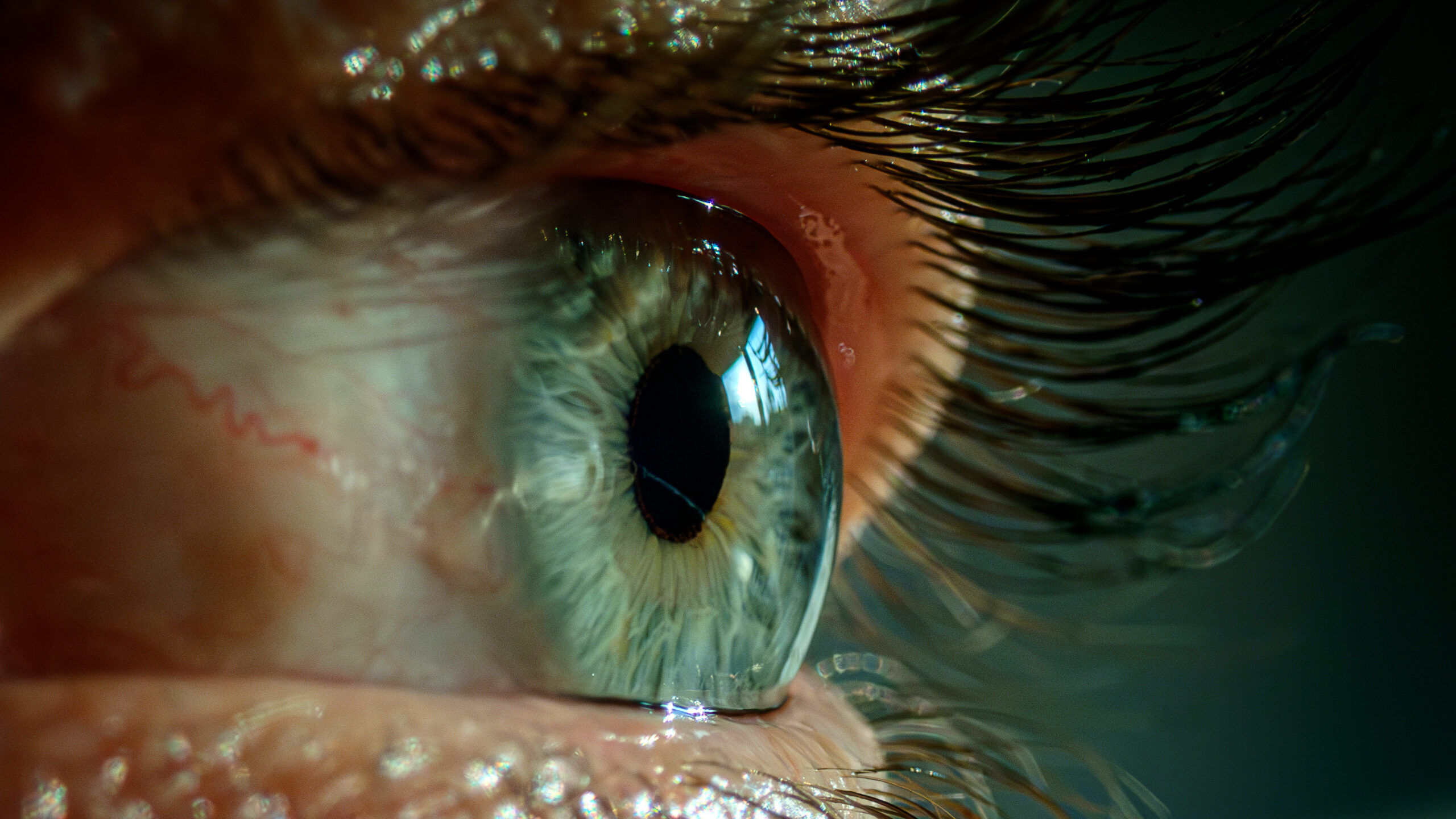
A warning about rare eye damage
The Food and Drug Administration said manufacturers of GLP-1 receptor agonist drugs must add a warning about a potential increased risk of non-arteritic anterior ischemic optic neuropathy, or NAION. The medicines named include Ozempic, Wegovy, Zepbound and Mounjaro.
NAION occurs when restricted blood flow damages the optic nerve. It can cause abrupt vision loss that is often permanent. The condition affects an estimated two to 10 people per 100,000 in the general population, according to the American Academy of Ophthalmologists.
Research has produced mixed results
A 2024 study by Harvard researchers reported higher rates of NAION among patients taking semaglutide after 36 months. In the diabetes group, the condition occurred in 8.9 percent of semaglutide patients and 1.8 percent of those taking non-GLP-1 drugs. Among patients with overweight or obesity, the respective figures were 6.7 percent and 0.8 percent.
The study drew on patients from one referral center, where NAION cases were unusually common, and did not account for diabetes severity. Later research has not settled the question: some studies found no association, while others supported a possible link. A review of 78 randomized trials found no increase in eye disorders overall but did find a NAION signal, based on five trials reporting such cases.
FDA review found few cases
The FDA analyzed 126 trials involving more than 130,000 patients and identified 15 probable NAION cases. Ten were among patients taking a GLP-1 drug, five among those given a placebo, and none among patients taking non-GLP-1 drugs.
The agency also conducted a retrospective study of people with type 2 diabetes who took a GLP-1 drug or one of two common diabetes medicines between 2019 and 2024. The article does not provide that study’s results. Researchers still do not know how GLP-1 drugs might contribute to NAION.
Key points
- The FDA is requiring GLP-1 drug labels to warn about a potential NAION risk.
- NAION can cause sudden vision loss that is often permanent.
- Research findings are mixed, and a possible biological mechanism remains unknown.
- The FDA identified 15 probable cases across 126 trials, including five in placebo recipients.