

As Reform expands, its vetting process for candidates remains tricky and questions seem far from settled right
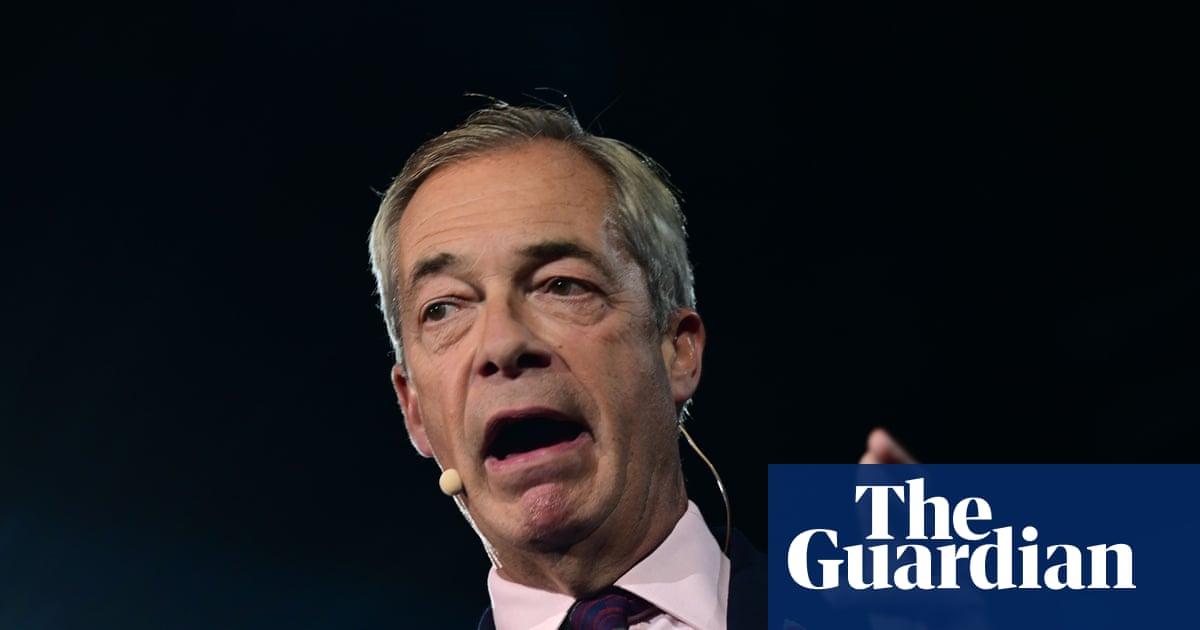
Questions for Farage
Nigel Farage faced questions about Reform’s vetting after unveiling a new defence spokesperson. He was asked why a councillor arrested in January over multiple alleged sexual offences had stayed in the role nearly 10 months later.
A question about the party’s candidate checks also drew frustration from Farage. He challenged the attention given to the councillor’s case after a BBC News alert reported the charge, asking why alleged wrongdoing in other parties received less coverage.
Councillors face charges
Glenn Gibbins, a suspended Reform councillor on Sunderland city council, is due in court on Monday. He is charged with making “grossly offensive” social media posts about Nigerians and denies the charge.
Robert Kenyon was another prominent case. Reform had hoped he would prevent Andy Burnham’s return to the Commons in June’s Makerfield byelection.
Checks under scrutiny
Before the 2024 election, Farage blamed an external company for failing to conduct proper background checks on candidates, suggesting Reform had been “stitched up politically”. The party’s vetting is now run by deputy chair Paul Nuttall, who briefly led Ukip a decade ago and faced scrutiny over his CV and a claim about losing close friends in the Hillsborough stadium disaster.
Some parts of the process are more demanding: prospective candidates at regional events have reportedly been asked to give a speech and take an unprepared mock interview. A person quoted in the report said Reform asks candidates whether there is anything that could bring the party into disrepute, but described decisions about undisclosed comments as more dependent on judgment.
Expansion tests party systems
ITV’s recent undercover documentary about Reform included councillors and candidates making offensive remarks. It also showed a regional chair advising someone posing as a potential candidate to delete problematic social media posts.
Parties rely partly on informal knowledge, intensive questioning and trust in candidates. With Reform seeking many hundreds of potential councillors and MPs at once, its internal structures have struggled to keep up with its rapid expansion. Farage rejects the claim that Reform’s culture is more toxic than other parties, but the party needs a vetting system that can match its growth.
Key points
- Reform’s candidate checks face fresh scrutiny as the party expands rapidly.
- A councillor charged over alleged sexual offences remained in his role nearly 10 months after his arrest.
- Glenn Gibbins denies a charge over alleged offensive social media posts about Nigerians.
- Farage rejects claims that Reform’s culture is more toxic than other parties.