

Hybrid attacks across UK and Europe leave supermarkets targeted amid wider disruption
Disruption hits food and healthcare
Freezers in parts of the UK and Europe were affected by a suspected hack that sharply raised internal temperatures and spoiled food. Retailers reportedly discarded large quantities, in an incident echoing a similar event in France three weeks earlier.
In Britain, hackers also tried to target small meat-processing businesses, but the reported impact was limited. In France, a cyberattack on Monday damaged cold-storage and control systems at blood banks in multiple regions.
Russian hacktivists claimed responsibility for the supermarket attacks. Experts cautioned that a claim by hacktivists does not exclude the possibility of nation-state involvement.
Experts warn of wider risks
Cybersecurity specialists said attacks on food and medical services can create public anxiety and weaken confidence in institutions. Heimdal CEO Jesper Frederiksen said the aim may be psychological and political rather than financial.
Sarah Cleveland of ExtraHop said attacks on refrigeration systems raise the possibility that hostile actors are testing ways to disrupt cooling systems used by military bases and emergency personnel. Britain’s National Cyber Security Centre head, Richard Horne, warned that many vulnerabilities remain exposed.
Moscow, Beijing and Tehran have repeatedly denied accusations of malicious cyber activity. The article does not establish who was behind the wider incidents.
Threats disrupt travel and newsrooms
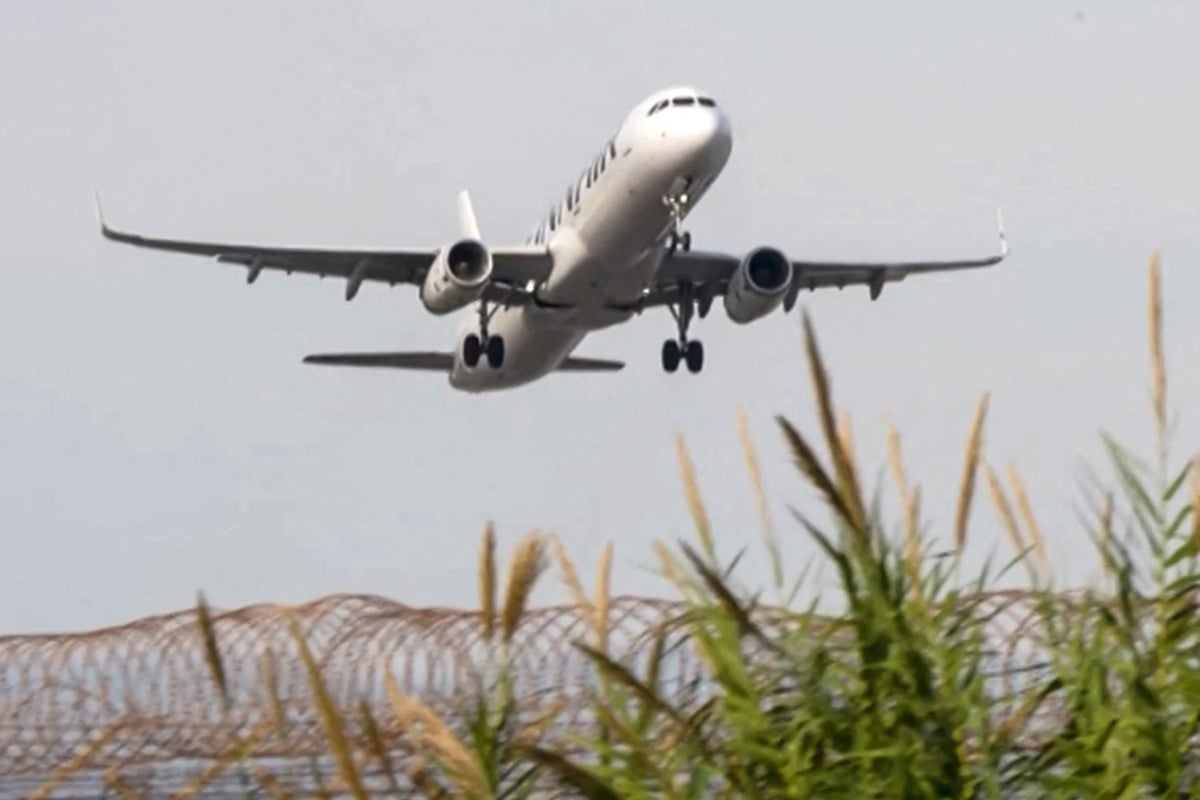
Bomb threats on Thursday grounded flights in several countries and disrupted travel. More than a dozen flights were targeted, including services from Copenhagen, Dublin, Helsinki, Madrid, Milan and Warsaw. The article says this was the second of three occasions that week when widespread threats were reported.
On Friday, newsrooms in Ireland and Bulgaria received emailed threats from a sender using the name “Mikhail Andropov.” The messages claimed responsibility for a widening series of hoaxes affecting passenger flights and threatened an explosive device in a newsroom building. The sender also claimed the activity had caused widespread panic and forced European authorities to spend money on response procedures. Dave Wreski of Guardian Digital said such incidents impose costs and create uncertainty even when they do not cause physical damage.
Key points
- Freezer attacks spoiled food in parts of the UK and Europe.
- A cyberattack damaged cold-storage and control systems at French blood banks.
- Bomb threats disrupted flights and prompted threats against newsrooms.
- Russian hacktivists claimed responsibility for supermarket attacks and newsroom hoaxes.