

Limited protection for Oval Office as Trump signs proclamation declaring it a national monument
What the proclamation provides
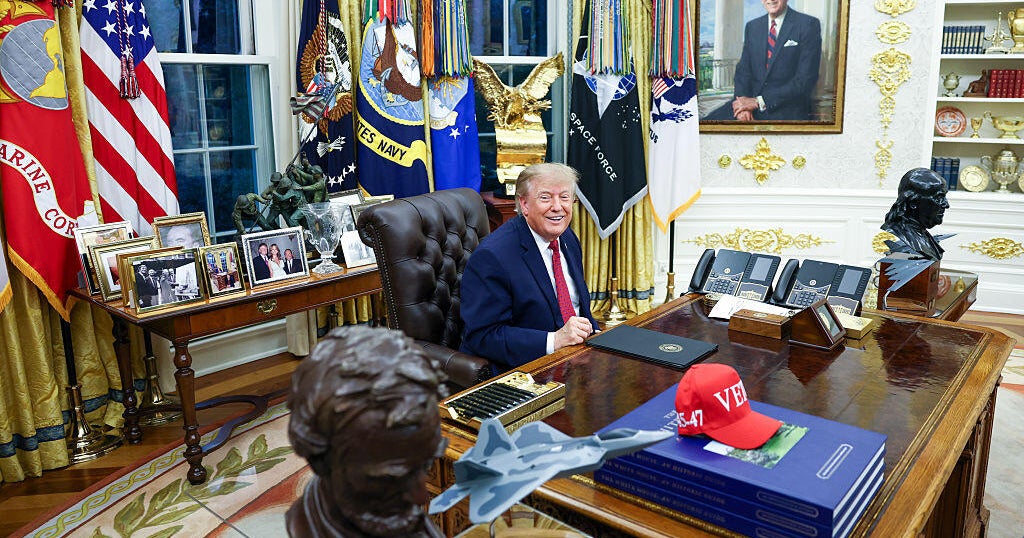
The proclamation directs the Interior secretary to manage the Oval Office and calls for documentation, review and consideration of alternatives before actions that would substantially alter or demolish the monument. It also preserves the president’s authority to redecorate, choose furnishings and make routine operational or security changes, provided they do not substantially impair the office’s historic structure or architectural character. Trump said Congress should review major changes, but that requirement does not appear in the proclamation.
The designation does not stop a future president from reversing it. Trump has previously undone national monument designations made by predecessors.
Trump’s remarks and renovations
Trump described the order as protecting the Oval Office from being damaged or reshaped. He said people should contact him if anyone tried to knock down its walls, adding that he would return to prevent it.
The president has added portraits, gold accents and a copy of the Declaration of Independence to the Oval Office. He also pointed to new chandeliers in the Cabinet Room, saying they addressed poor lighting.
The signing was Trump’s first official action after Republicans lost key races in Tuesday’s midterm elections. It was his third day that week discussing Washington projects: he showed reporters a ballroom construction milestone Wednesday and spoke about renovations to the Lincoln Memorial Reflecting Pool on Monday.
Other projects face scrutiny
Trump’s White House changes include demolishing the East Wing to make room for a ballroom. His Washington beautification projects have faced lawsuits alleging they lacked necessary approval. On Thursday, Connecticut Sen. Richard Blumenthal, the top Democrat on a Homeland Security Committee investigations subcommittee, sent letters to known ballroom donors seeking information and warning of possible alternative steps to obtain compliance.
Separately, the National Capital Planning Commission approved Trump’s proposed 250-foot triumphal arch between the Lincoln Memorial and Arlington National Cemetery by an 8-4 vote. A federal judge is considering whether to temporarily block construction.
Key points
- Trump’s proclamation covers the Oval Office and Cabinet Room but allows routine changes and redecorating.
- The order calls for review before substantial alterations, but does not require congressional approval.
- Trump’s ballroom project and other Washington renovations face scrutiny and legal challenges.
- The planning commission approved the proposed 250-foot arch, while a judge weighs a temporary construction block.