

Trial moments: What jurors heard about Matthew Farwell, charged with killing Sandra Birchmore
A relationship at the center
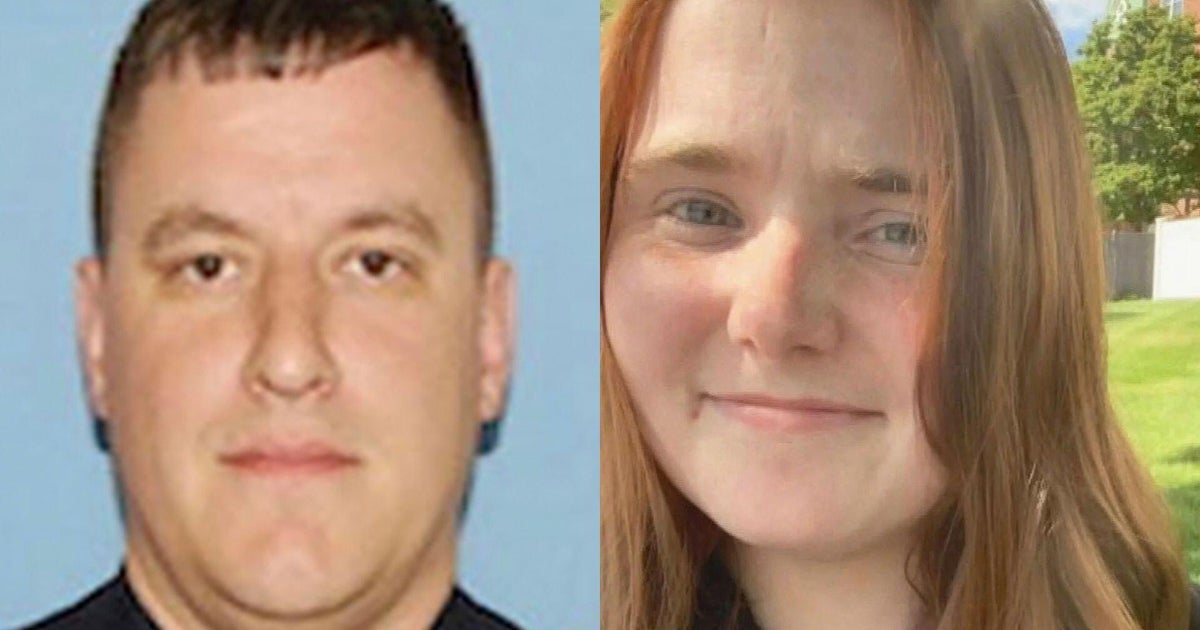
Farwell’s attorneys did not dispute that he had an affair with Birchmore. Instead, they questioned the prosecution’s explanation of her death. Text messages read at trial included Birchmore telling a friend in October 2020 that she was expecting Farwell’s baby and that he was unhappy about it.
Experts disagree on death
Prosecution expert Dr. William Smock called the death a homicide. He said an injury on Birchmore’s chest was consistent with a clasp on the strap and suggested the scene had been staged; he also said a fracture of the hyoid bone rarely occurs in suicides.
Dr. Thomas Andrew, a former chief medical examiner for New Hampshire who testified for the defense, said the circumstances indicated suicide. “This is not manual strangulation,” he told jurors.
Pregnancy and a police call
FBI Special Agent Heidi Kelsch testified that DNA testing ruled out Farwell as the father of Birchmore’s child. She said the father was Jason Pickard, an Air Force defense contractor who had met Birchmore while working as an Army Reserve recruiter.
Pickard testified that he urged Birchmore to report Farwell after learning of their relationship, but she did not. He also did not notify authorities. Birchmore told him the child was not his when she became pregnant.
On Jan. 20, 2021, dispatcher James Fitton received a call from a woman who alluded to a relationship between Farwell and her friend. Fitton said Farwell became visibly and audibly upset after he told him about the call. Birchmore later told Farwell that the friend owed her money.
Timeline and conflicting accounts
Trooper Matthew Dunne testified that he interviewed Farwell on Feb. 6, 2021, after learning of the relationship. Farwell said he went to Birchmore’s apartment to break up with her, Dunne told the court.
FBI examiner Christopher Beckstrom testified that Birchmore’s phone last locked at 9:13 p.m. on Feb. 1. The phone recorded eight steps at 9:40 p.m., with no later steps recorded. The account provided in court says Farwell left the building after Birchmore’s phone stopped moving.
Dunne said Farwell described the relationship as lasting two to three years, which would mean it began when Birchmore was 20 or 21. That conflicts with text messages indicating their sexual relationship began when she was 15. Dunne testified that investigators gave the conflicting statements weight.
Key points
- Prosecutors say Farwell killed Birchmore after years of sexual abuse that began when she was 15.
- Prosecution and defense medical experts gave opposing opinions on whether her death was homicide or suicide.
- DNA testing identified Jason Pickard, not Farwell, as the father of Birchmore’s child.
- Farwell’s account of when the relationship began conflicts with trial text messages.