

10,000 pounds of food every day: inside Disney's animal nutrition center, which doles it out to 5,000 animals
A daily effort at scale
Animal Nutrition Operations Manager Dr. Heidi Bissell says the team draws on fields including agriculture and animal physiology to design diets for specific purposes. It also exchanges research and data with accredited zoos, aquariums and universities.
Research guides the diets
The team has published studies involving species ranging from zebras and rhinos to fish and amphibians. When evidence about a species’ needs is limited, staff use comparative nutrition, applying knowledge about close relatives as a starting point.
They then assess how animals are doing on the food provided and adjust diets when needed. Bissell says those observations help the team gauge nutritional status and refine its approach.
Food that encourages foraging
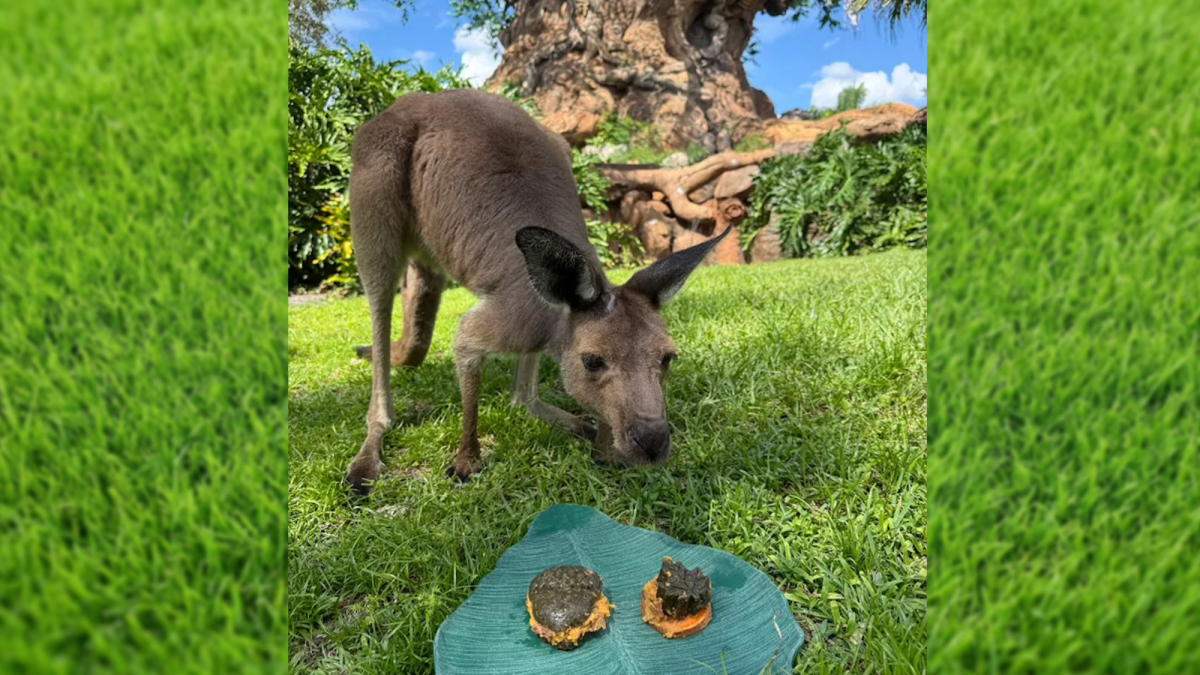
How food is presented matters as well as what it contains. Bissell says animals in the wild spend time working out how to find food, so simply serving it in a bowl would not provide the same mental stimulation.
The team may hang leaves in trees for giraffes or offer lions whole prey and bones, which help maintain jaw and tooth health. It also accounts for seasonal changes: birds laying eggs may need more calcium in their diets.
Meeting specialized needs
Some of the most demanding diets belong to insect-eating animals. Anteaters can consume as many as 3,000 insects a day, so Bissell’s team works with manufacturers to ensure insect pellets meet physical and nutritional standards aligned with wild insects.
The anteaters also receive some produce, as they eat fruit. For other animals, keeping several familiar foods available can help when supply-chain problems interrupt access to ingredients.
Key points
- About 40 team members prepare roughly 10,000 pounds of food daily for more than 5,000 animals.
- The team uses research and observations to assess diets and make adjustments.
- Food presentation encourages natural behaviors such as foraging.
- Anteaters can eat up to 3,000 insects per day.