

What you should know about little-known Lewy bodies dementia, a progressive brain disease linked to risk factors
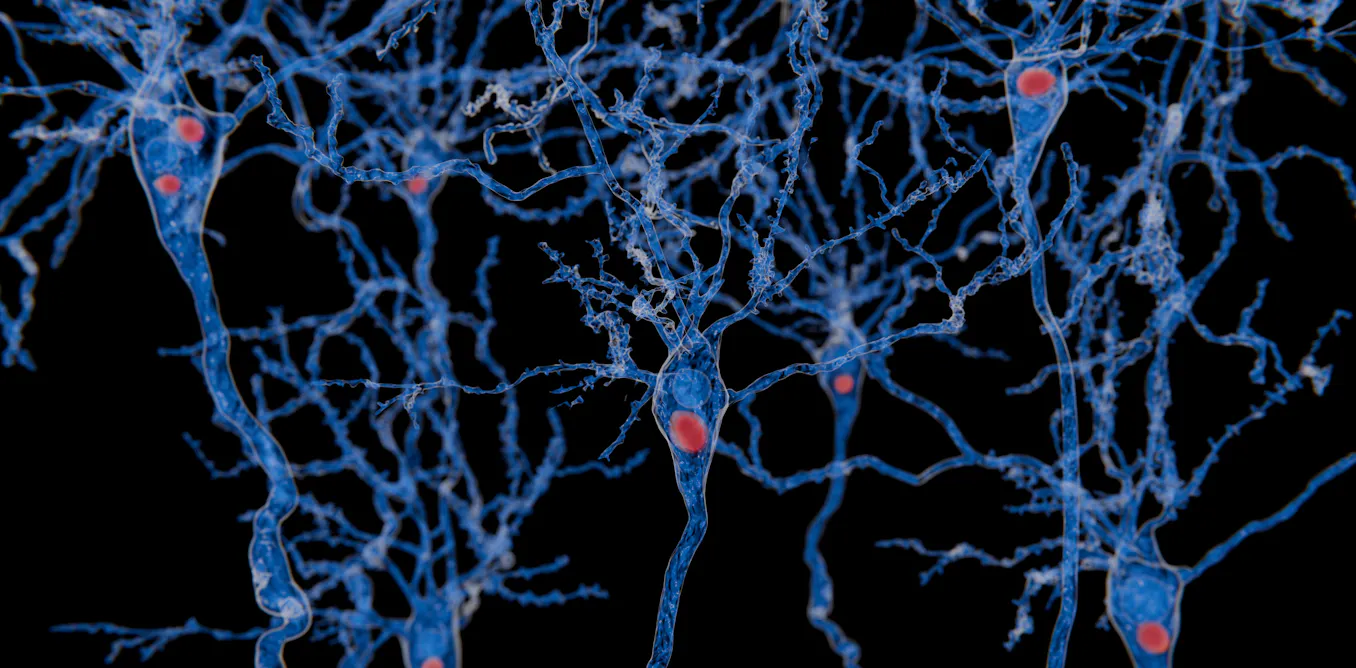
A Common, Often Overlooked Condition
Dementia with Lewy bodies, often shortened to DLB, has drawn attention when well-known people have died from it. The article names Robin Williams, Monica Vitti, Patrick Stewart and French actress Nathalie Baye.
In France, about 250,000 people are affected, making DLB the country’s second most widespread neurodegenerative disease after Alzheimer’s, on a par with Parkinson’s. Worldwide, estimates exceed 10 million patients.
The disease takes its name from Lewy bodies, deposits found inside neurons. German-born doctor Friedrich Heinrich Lewy first identified them in 1912; the first clinical case was formally described in 1976, and international clinical criteria followed in 1996.
How Brain Cells Are Affected
In early stages, before and during milder dementia, dysfunction affects areas including the insula and olfactory bulbs. These regions are involved in functions such as cognition, emotions, self-awareness, pain, smell and the autonomic nervous system.
The changes are associated with alpha-synuclein, a protein that normally helps regulate synaptic vesicles. These small sacs carry neurotransmitters, chemical messengers that enable neurons to communicate. In its toxic form, alpha-synuclein folds differently and accumulates inside neurons, forming Lewy bodies. The resulting disruption can reduce communication between brain cells; this neurofunctional phase lasts at least 15 to 20 years before a more aggressive stage involving neuronal cell death.
Risk Factors and Possible Triggers
Some research points to possible environmental links. Chronic exposure to substances such as phthalates or ultrafine particles in air pollution, as well as some infections, could encourage changes in alpha-synuclein during aging.
Anxiety and depression are identified risk factors, and some patients had depression for years beforehand. Other listed risks include high blood pressure, diabetes, “bad” cholesterol, stroke, and a family history of DLB or Parkinson’s disease.
Mutations in certain genes, including GBA and ApoE4, are also identified as risk factors, but the article says they are not the cause of the disease. It also notes that Lewy bodies occur in Parkinson’s disease, while differing in appearance, brain location and alpha-synuclein conformation.
Key points
- Dementia with Lewy bodies affects about 250,000 people in France and more than 10 million worldwide.
- Abnormal alpha-synuclein deposits disrupt communication between neurons and eventually contribute to cell death.
- Possible environmental links include phthalates, ultrafine air pollution particles and some infections.
- Risk factors include anxiety, depression, vascular conditions, family history and certain gene mutations.