

First British citizen infected with Ebola in Congo evacuated to UK, officials say, reports
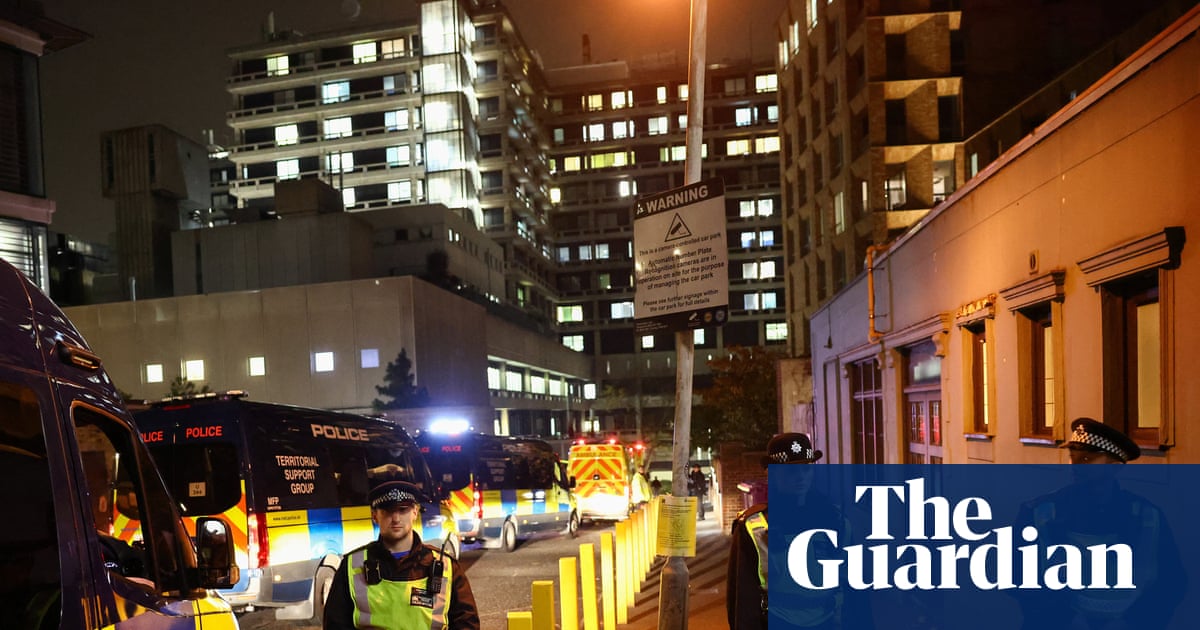
Doctor receives specialist treatment
A humanitarian organisation had sent the doctor to the Democratic Republic of the Congo to help with the outbreak response. The current outbreak is the second largest on record, and this is the first case involving a British national.
Officials say public risk is low
The Royal Free’s isolation unit has strict procedures to prevent contact between the patient and members of the public. Staff caring for the doctor use personal protective equipment and other measures intended to prevent transmission.
Outbreak has spread regionally
DR Congo’s health ministry declared the current outbreak in May. It has since exceeded 10,000 cases and 5,000 deaths, and spread to Kenya and Uganda. Nigeria confirmed a case in its capital, Abuja, last month. Ebola spreads through direct contact with bodily fluids, including blood or vomit, from infected people, or with the bodies of people who have died from the illness.
Symptoms and UK history
Symptoms usually begin two to 21 days after contact with an orthoebolavirus. Early signs can include fever, aches, pains and fatigue, followed by diarrhoea, vomiting or unexplained bleeding.
The UK has previously recorded four confirmed cases. One, in 1976, followed a laboratory needle incident; the other three involved health workers responding to the West African outbreak between 2014 and 2015.
Key points
- A British doctor infected with Ebola in DR Congo has returned to the UK for treatment.
- The patient is being cared for in the Royal Free hospital’s high-level isolation unit.
- UK health officials say the risk to the wider public remains low.
- The outbreak has exceeded 10,000 cases and 5,000 deaths and has spread beyond DR Congo.