

Midterm elections made history with Black candidates winning governorships across both parties
A historic shift in governor’s offices
Before Tuesday’s elections, only three Black Americans had been elected governor of a U.S. state: L. Douglas Wilder in Virginia in 1989, Deval Patrick in Massachusetts in 2006, and Wes Moore in Maryland in 2022. ABC News projects Moore will win reelection.
After next year’s inaugurations, Black governors are expected to make up 10% of the nation’s chief state executives for the first time. The projected wins span states and political parties, reflecting candidates with differing political views.
Milestones in Georgia and Florida
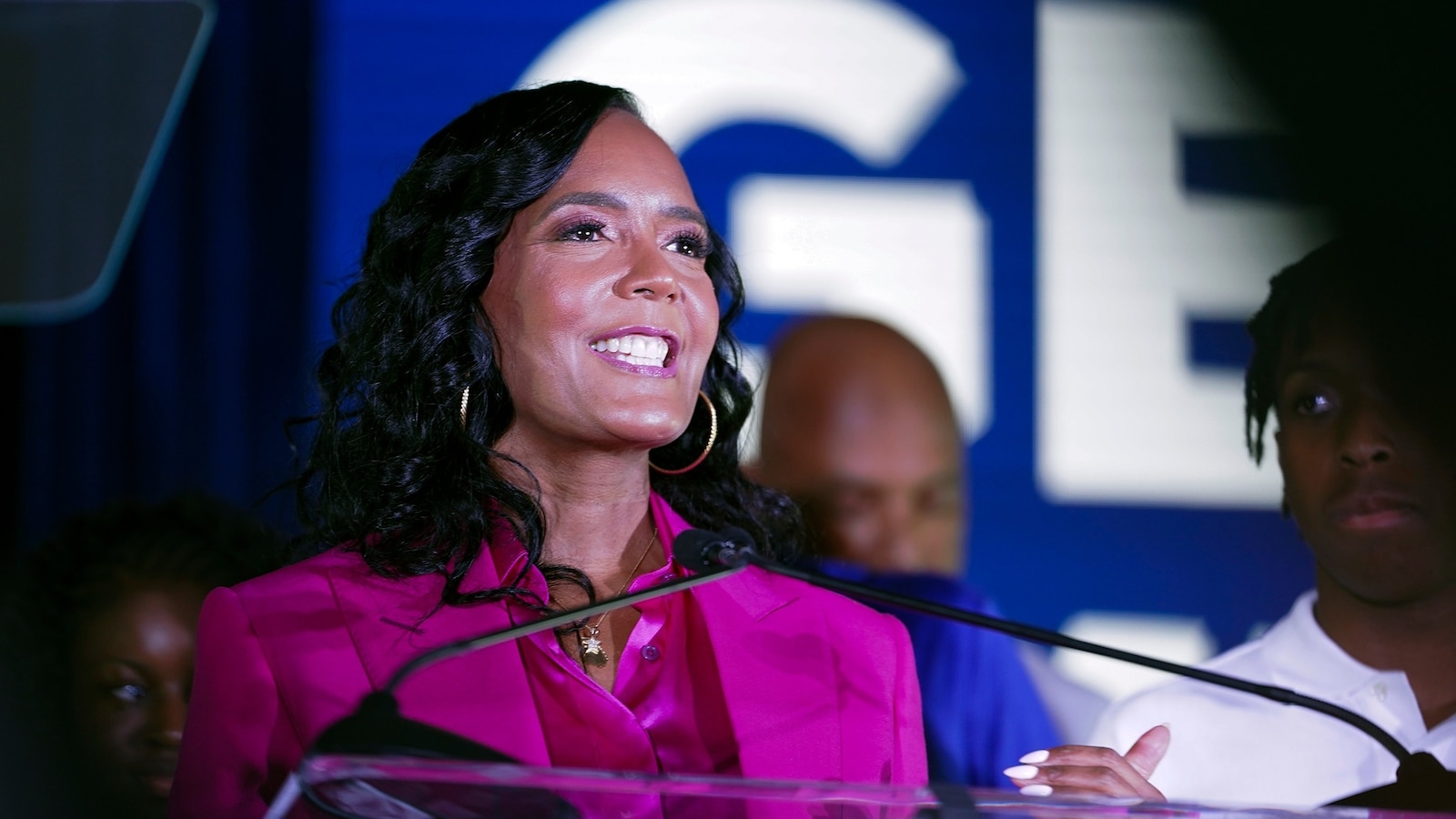
Former Atlanta Mayor Bottoms is projected to become the first Black woman elected governor in the country, as well as Georgia’s first Black and first woman governor. Georgia was one of the original Confederate states.
In Florida, Republican Congressman Donalds, endorsed by President Donald Trump, is projected to become the first Black Republican elected governor. Nevada Attorney General Ford would become the first Black person elected governor west of the Mississippi River; he was previously Nevada’s first Black attorney general and state Senate majority leader.
Other projected state victories
Democratic Delegate Stacey Plaskett is projected to win the U.S. Virgin Islands governor’s race, becoming the territory’s first woman chief executive. In New York, Gov. Kathy Hochul is projected to win reelection, which would make her running mate, former New York City Council Speaker Adrienne Adams, the state’s first Black woman elected lieutenant governor.
ABC News projects South Carolina state Sen. Mike Reichenbach will become the state’s first Black lieutenant governor since 1876. In Pennsylvania, Austin Davis, the state’s first Black lieutenant governor, is projected to serve a second term alongside Democratic Gov. Josh Shapiro.
Federal roles and past defeats
With Democrats projected to take control of the House, party leader Hakeem Jeffries is poised to become the first Black speaker. Republican Tim Scott is the longest-serving Black senator in U.S. history; the country has also elected a Black president and a Black woman vice president.
The gains follow high-profile campaigns that fell short. Stacey Abrams lost twice in Georgia, Republican Winsome Earle-Sears lost her 2025 bid for Virginia governor, and Republican John James lost his Michigan gubernatorial race. South Carolina Democrat Jermaine Johnson also fell short, while Florida Democratic socialist Angie Nixon lost to Ashley Moody in a Senate race.
Key points
- Black governors are projected to represent 10% of chief state executives for the first time.
- Georgia and Florida are projected to elect governors who would make history.
- The projected state-level victories include candidates from both parties.
- Hakeem Jeffries is poised to become the first Black speaker of the House.