

US midterms: Democrat Congress could mean less political gridlock than split control suggests
Gridlock predictions meet history
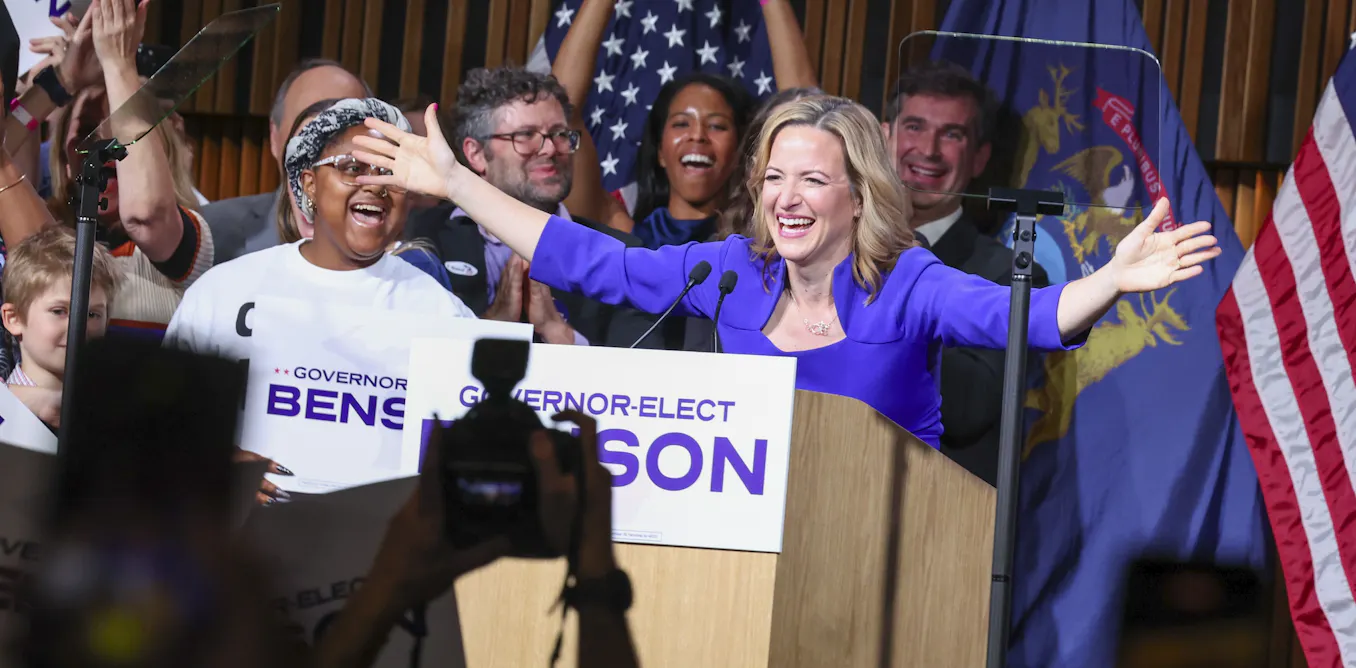
The Democratic party took control of both chambers from Republicans, setting up a Congress opposed to the president’s party. Before the election, Trump warned he would block legislation from a Democrat Congress and said he might become “Mr Veto.” After the results, Trump told journalists he was “absolutely willing” to accept them and said he would work with Democrats. He also said he would veto “things that are insane.” Stifel analysts had described gridlock as the most likely policy outcome.
What past Congresses show
Since 1949, the opposition has controlled both chambers in 15 Congresses and only the House in seven. The president’s party controlled both chambers in another 15 Congresses. Opposition-controlled Congresses passed roughly as many laws as unified ones, and more laws judged important than Congresses where the opposition held only the House.
Two changes in control followed a similar pattern. Under Ronald Reagan, laws passed rose from 664 to 713 after Democrats gained the Senate in 1986, while important laws increased from nine to 12. Under Barack Obama, totals rose from 296 to 329 after Republicans took the Senate in 2014; important laws went from ten to 12.
Where the disagreements arise
The kind of legislation varied too. During Reagan’s years, domestic laws passed at similar rates under House-only opposition and opposition control of both chambers: 145 a year compared with 158. Foreign policy laws averaged 25 versus 44, while important domestic laws averaged 5.5 versus 8.4.
The figures describe patterns, not causes, and a law’s designation as important does not make it good. Recent experience also shows how a split Congress can stall bills: after Republicans won the House in 2022 while Democrats kept the Senate, laws passed fell from 362 in 2021-22 to 274 in 2023-24.
A 2025 study of 103 key bills from 2006 to 2022 found that, among 27 issues popular with voters of both parties, Congress acted in line with majority opinion 67% of the time when one party held both chambers, compared with 42% under split control. Sarah Binder’s study of 1947-96 also identified House-Senate disagreements as a major source of gridlock.
Key points
- Democrats won control of both chambers of Congress in the midterms.
- Historical data show more lawmaking under two-chamber opposition than under House-only opposition.
- Split control can leave bills stalled between the House and Senate.
- The historical patterns are descriptive and do not establish cause and effect.