

NASA's Swift space telescope plunges to Earth after decades studying cosmic explosions
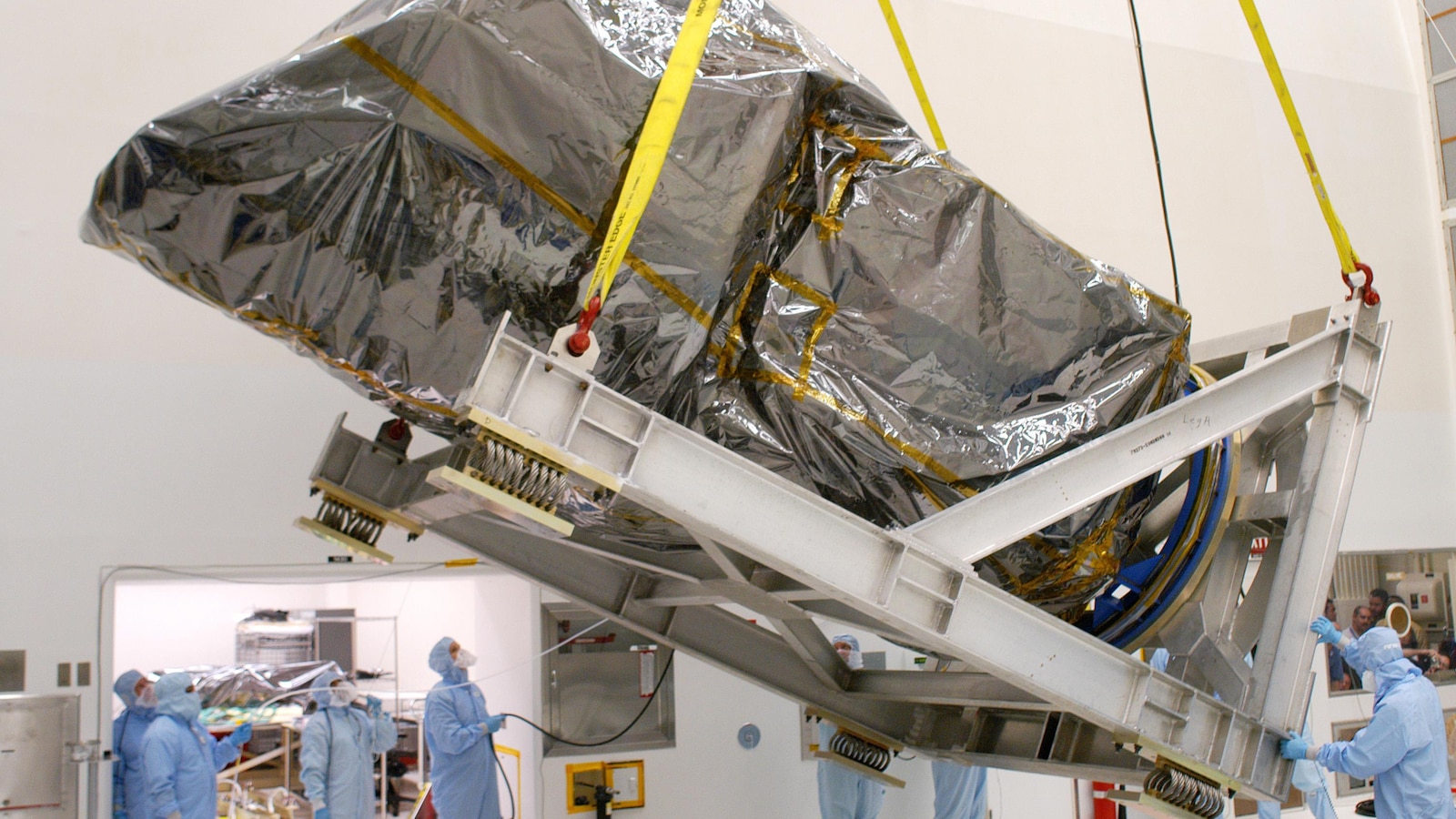
Swift’s mission ends
Swift launched in 2004 for a planned two-year study of gamma-ray bursts and exploding stars. It spent 22 years observing thousands of these events, lasting 11 times longer than intended.
The observatory also served as an early responder for other telescopes able to investigate the explosions in greater depth. Its orbit declined amid intense solar activity in recent years, leading to Wednesday’s reentry near Indonesia. NASA had expected some of the spacecraft’s denser pieces to survive the atmosphere, but the amount that remained was not immediately known.
Hubble faces an uncertain future
NASA is seeking private-sector input on ways to extend Hubble’s working life. Options include raising its orbit, upgrading its systems, or guiding it through a controlled reentry. Recent analyses put Hubble’s possible uncontrolled return to Earth in the mid-2030s. Any mission to assist the telescope would need to take place by 2032. “Hubble still has important science ahead of it,” NASA Administrator Jared Isaacman said, adding that the agency should consider reasonable ways to keep it operating.
Earlier rescue attempt failed
Swift’s reentry came less than three months after a rescue effort for another observatory failed. NASA hired a private company to develop an orbit-boosting mission. Katalyst Space’s three-armed robotic craft encountered trouble after its July launch and crashed in September.
Key points
- Swift reentered near Indonesia on Wednesday after 22 years in orbit.
- The telescope studied thousands of gamma-ray bursts and exploding stars.
- NASA is considering private-sector proposals to extend Hubble’s life or guide its reentry.
- Any Hubble mission would need to happen by 2032.