

Georgia sends Ossoff back as he wins reelection, easily defeating Republican Mike Collins
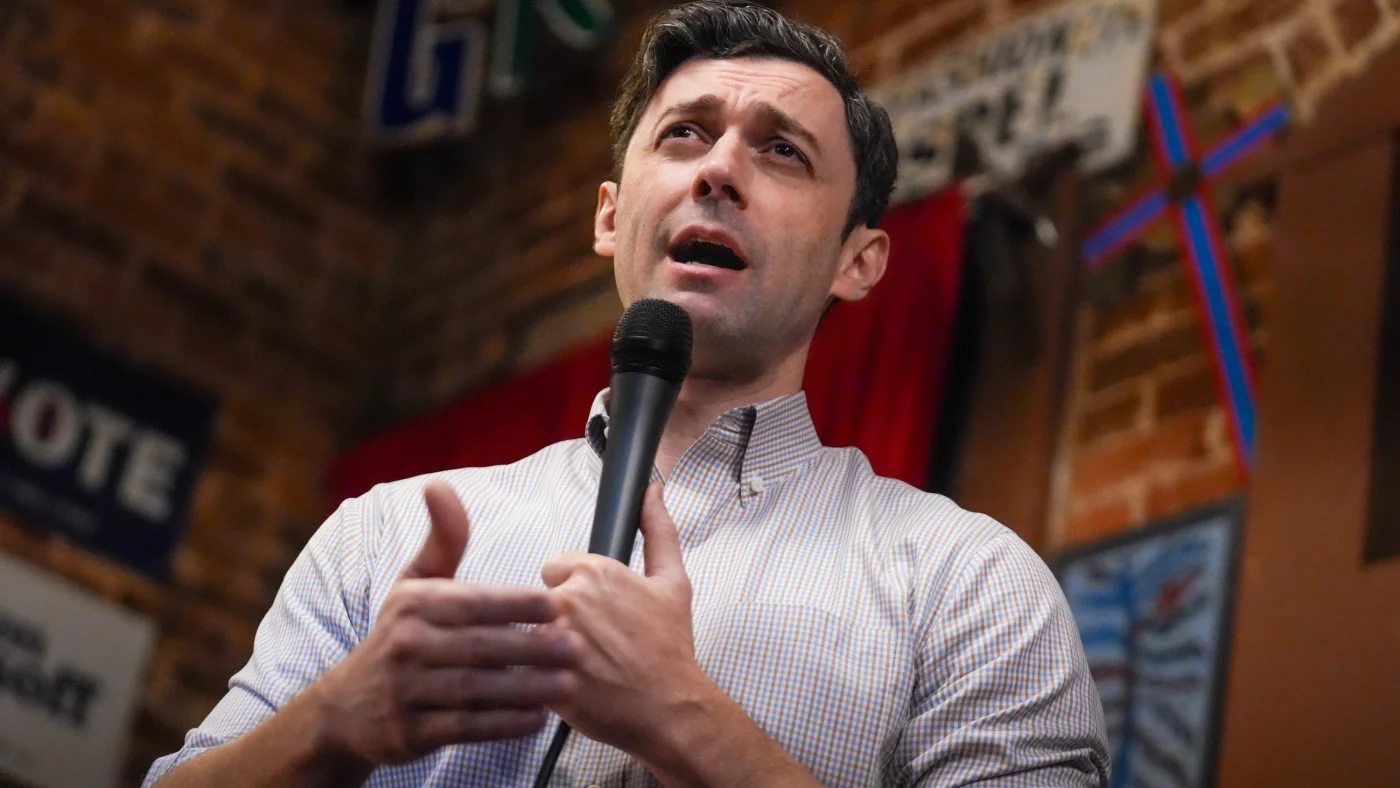
A closely watched Georgia contest
The race had been viewed as one of the cycle’s major Senate contests. Georgia’s recent political record offered reasons to expect a close result: Democrats won both Senate seats in 2021, but Raphael Warnock narrowly retained his seat in a 2022 runoff.
Republicans have continued to win most other statewide races in Georgia. Ossoff’s victory therefore came in a state where Democrats had faced a challenging broader electoral landscape.
Collins faced campaign scrutiny
President Trump backed Collins in the Republican primary, where he prevailed over Derek Dooley, a former football coach supported by Gov. Brian Kemp. Collins owns a family trucking company.
During the campaign, Collins drew questions about connections to relatives and former staff members who had expressed white nationalist and antisemitic views. He also continued to support Trump’s false claims that widespread fraud affected the 2020 election.
Ossoff’s profile grew nationally
Before entering the Senate, Ossoff worked as a congressional aide and documentary filmmaker. He first gained national attention in 2017, when he ran in a special election for a suburban House seat and came closer than expected to winning.
After taking office in 2021, Ossoff attracted attention for his questioning of Trump appointees at congressional hearings. His campaign speeches criticizing alleged graft around Trump spread online, prompting some Democrats to discuss him as a possible presidential contender; Ossoff has said he will not run in 2028.
Key points
- The Associated Press called the Georgia Senate race for incumbent Jon Ossoff.
- Republican Mike Collins faced scrutiny over associations involving relatives and former staff members.
- Ossoff’s constituent work earned respect from some Republican officials, according to the report.
- Ossoff has said he is not seeking the presidency in 2028.