

US-China trade seems subsided; a sense of calm is misleading
A truce, not a settlement
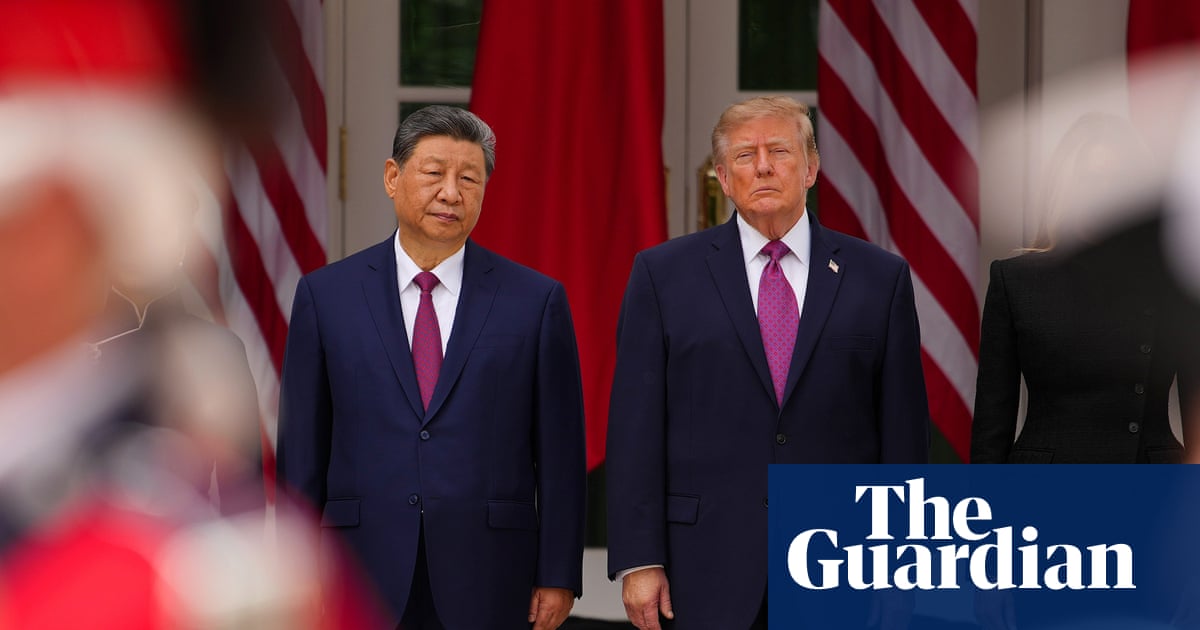
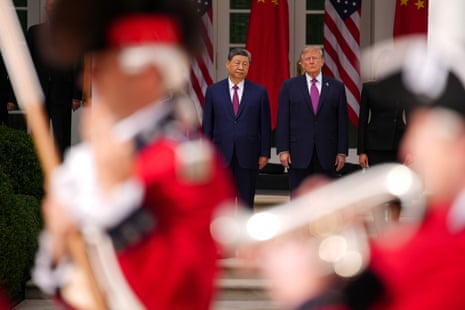
Trade tensions between the US and China have faded from the headlines, though tariff threats still surface. The truce reached last year and extended until next January stopped the cycle of escalating tariffs and opened the possibility of a future trade deal.
The agreement has lowered tensions, but it has not removed the sources of conflict. Neither country has taken steps to prevent a fresh round of hostilities, according to the article.
Supply chains become leverage
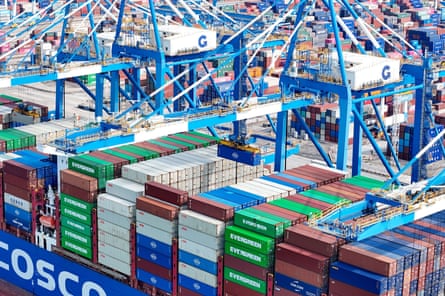
The contest increasingly centers on supply chains that support economic and technological development. Both governments are seeking resilience while considering how to limit rivals’ access to crucial supplies.
The approach dates back at least to the Covid pandemic. China’s Xi Jinping called for greater global reliance on Chinese production chains, describing that dependence as a potential deterrent against foreign supply cutoffs.
Restrictions reach beyond tariffs
US controls on technology exports, investment and transfers to China have expanded over the past half decade. They affect military capabilities, but also slow China’s technological progress more broadly; the article says Trump’s use of tariffs has added to tensions.
China has eased some controls but retains many restrictions, initially imposed in response to US actions and also used against other countries over policies Beijing opposes. China has introduced high-tech export limits covering areas including AI chips and solar technology, and has threatened consequences for countries seeking to reduce reliance on its mineral inputs.
Economic stakes and limits
The International Energy Agency estimates that blocking US and European access to Chinese rare earth magnets could cost those economies about $1.5tn annually. China is also expected to remain dominant in renewable energy, particularly solar, and may lead in electric vehicles.
The article argues that China’s export-led strategy, combining large export growth with no import growth, cannot be sustained by the rest of the world. It also says China’s gains in clean technology are not worth a war, despite concerns in Brussels and Washington.
Interdependence turns vulnerable
Trade was once promoted as a way to build peaceful, mutually beneficial ties between countries. That vision has weakened as governments increasingly view economic dependence as a vulnerability.
The US and China are competing for control of emerging technologies, turning trade into another arena of conflict. The truce has cooled tensions, but the underlying contest continues.
Key points
- A US-China truce has paused tariff escalation and runs until next January.
- Both countries are using supply-chain policies and restrictions to protect their interests.
- A Chinese cutoff of rare earth magnets could cost the US and Europe about $1.5tn annually.
- The technology rivalry has turned trade interdependence into a perceived vulnerability.