

Why Netflix’s 2-Season Steampunk Masterpiece Sets a Better Bar for Fantasy Series Worldbuilding
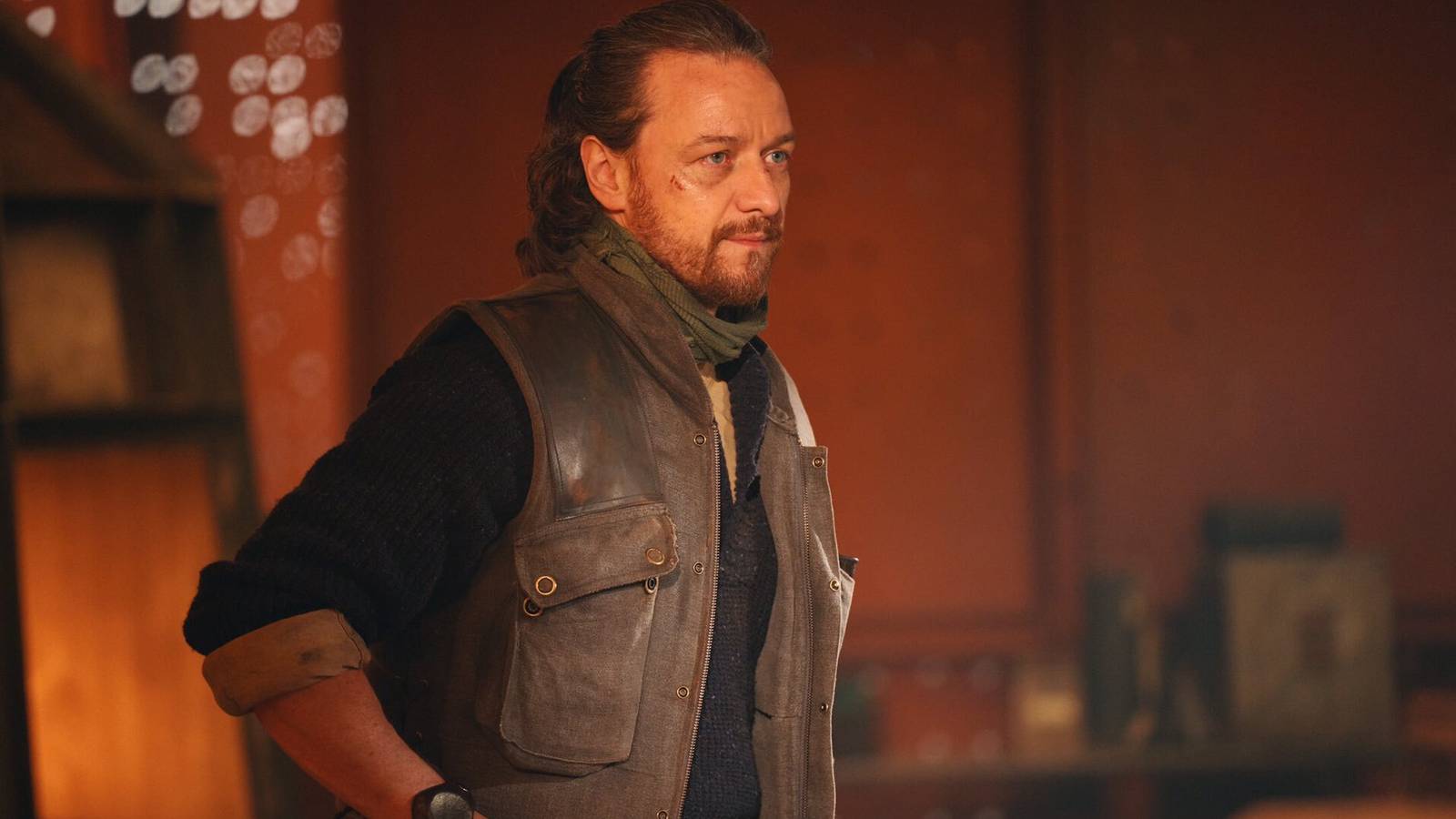
A world shaped by its cities
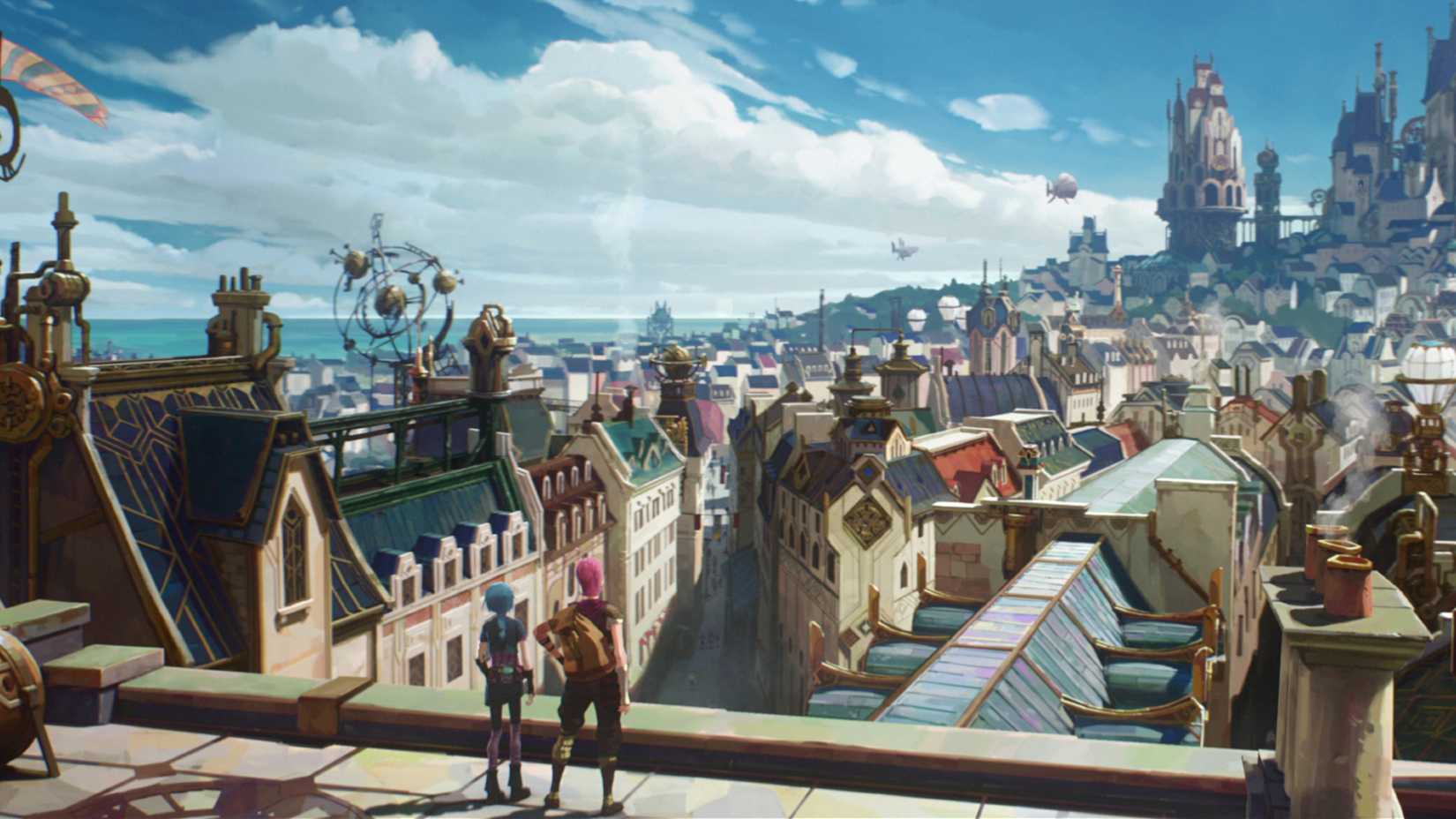
Arcane focuses on Zaun and Piltover, two regions that were once part of a united city. Their separation has left Zaun dark and troubled by poverty, crime and hostility toward authority, while Piltover is cleaner and governed by an elite council.
The show connects those surroundings to the lives and outlooks of the people who inhabit them. Although residents often distrust those from the other region, some characters also challenge the values of their own communities.
Magic expands the setting
The League of Legends game provided the foundation for Runeterra, but Arcane develops its lore and gives its characters more depth. The series explores a magic system that includes Hextech, a source of varied powers, and Shimmer, which can bring enhanced traits and abilities.
These elements help create a detailed setting with distinct personalities and conflicts. The series also pairs its worldbuilding with animation, voice performances and a layered story.
Worldbuilding drives character stories
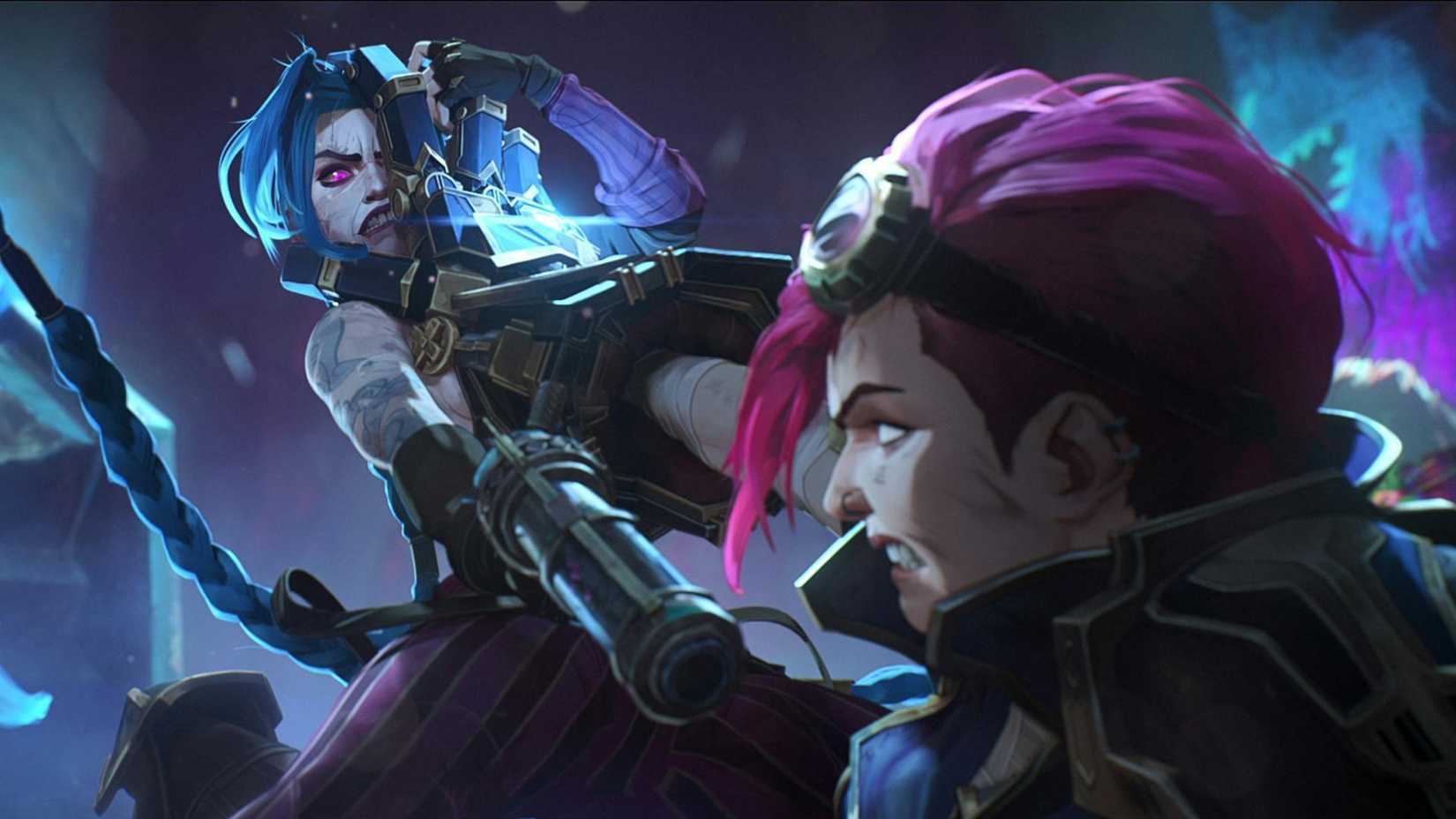
Arcane uses political and social divisions to show how power can corrupt people and how outside pressures can pull close relatives onto different paths. The relationship between sisters Jinx and Vi is one example of how the series expands on the game’s more lightly explored character histories.
The game suggested a connection between Jinx and Vi without confirming they were sisters, while Arcane depicts their shared, tragic past. It also develops Vi and Caitlyn’s relationship beyond the friendship and working partnership shown in the game, presenting an emotional romance that faces difficulties.
Key points
- Arcane builds its setting around the contrasting regions of Zaun and Piltover.
- The cities’ class divide shapes the characters and their conflicts.
- Hextech and Shimmer add powers and complexity to Runeterra.
- The series expands on relationships that were only lightly explored in the game.