

Most Americans gain an hour as daylight saving time 2026 ends tonight; here’s who skips the change
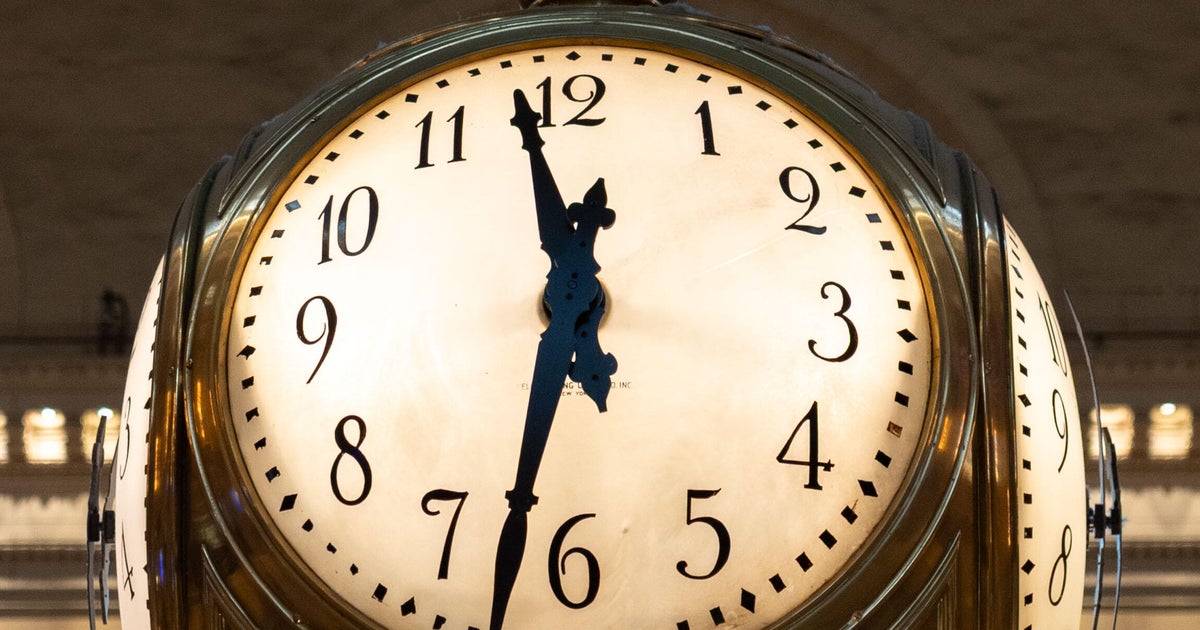
Clocks change Sunday morning
Most of the United States will return to standard time when clocks move back one hour at 2 a.m. Sunday. The change gives millions of people an extra hour overnight.
Daylight saving time shifts daylight later into the evening during spring and summer. In fall and winter, standard time brings daylight earlier in the morning.
A century of time changes
States and municipalities initially chose whether and when to observe daylight saving time. Congress established uniform start and end dates in 1966; a later effort to keep daylight saving time continuously was halted before it reached 10 months.
Since 2007, the clocks have moved back on the first Sunday of November. A 2005 law shifted the end from the last Sunday of October and moved the spring start from the first Sunday of April.
Where the change applies
Daylight saving time is observed in every state except Hawaii and most of Arizona. The Navajo Nation observes the change to remain on the same time as its communities in New Mexico and Utah, according to the tribe.
Apple, Google and Samsung provide online instructions for adjusting device clocks. Simple Mobile and Straight Talk have also published steps for checking phone settings.
Key points
- Most of the United States will turn clocks back one hour at 2 a.m. Sunday.
- The change follows Halloween and gives people an extra hour overnight.
- The Sunshine Protection Act passed the House and is awaiting Senate action.
- Hawaii and most of Arizona do not observe daylight saving time.