

69 killed as Spain continues to investigate causes of deadly Toledo train crash, putting Europe rail safety in focus
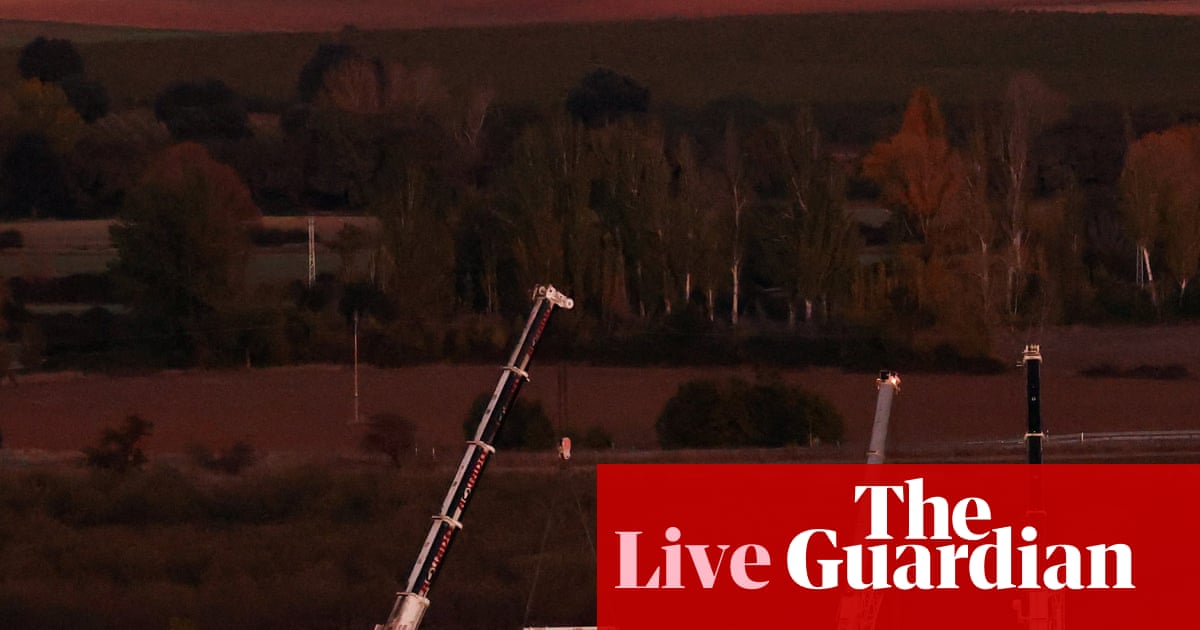
Investigation examines collision
Investigators in Spain are working to establish what caused Wednesday’s deadly crash in Toledo province. The collision killed 69 people and left many others injured. An initial interim report from the independent investigative body says the high-speed Ave train was moving at between 160 and 200km/h when it hit a train that was stationary ahead of it. The report does not provide a final explanation for the crash.
Rail safety enters political debate
The disaster could have political consequences before next month’s parliamentary elections. Spain correspondent Sam Jones said rail safety may overshadow Sánchez’s efforts to defend his record and stay in the Moncloa palace.
The crash could weaken momentum that had recently returned to Sánchez, according to the analysis. The investigation and the public response are unfolding as the election approaches.
Protests planned in France, Italy
Protests are expected in France and Italy, where people are expressing frustration over education, living costs and other concerns. In Rome and Milan, student demonstrations described as “massive” are expected, the student movement said.
Attention is also due to turn to Canada, where discussions with the EU are continuing at a summit in Montreal. Possible arrangements include “associate membership” or another form of partnership, with Mark Carney and Ursula von der Leyen expected to speak.
Key points
- The Toledo crash killed 69 people and injured many others.
- An interim report puts the Ave train’s speed at 160 to 200km/h before impact.
- Rail safety may shape debate ahead of Spain’s parliamentary elections next month.
- Student protests are expected in Rome and Milan.