

Unlike Anything Seen Before: Why This Whale Season Has Marine Scientists Puzzled
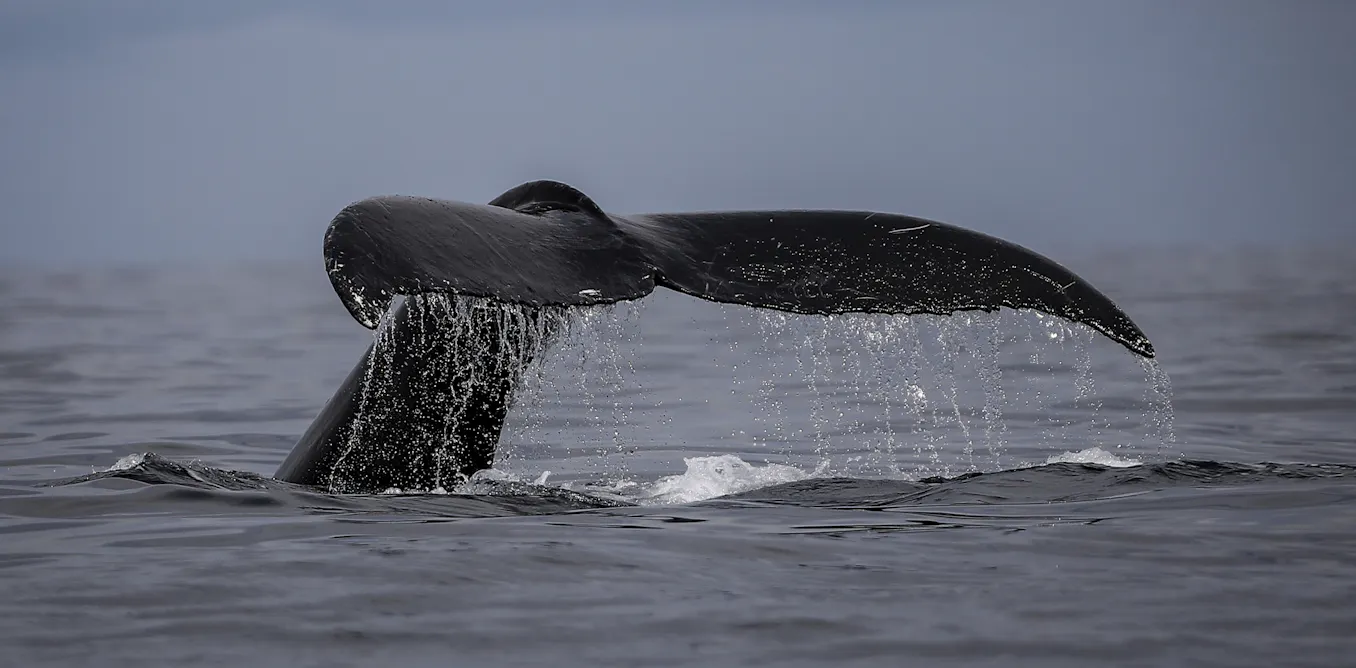
Humpbacks shift their routes
Humpback whales travel north between April and May after feeding on Antarctic krill over the southern hemisphere summer. Most head south again by the end of November. Along the way, they socialise, sing and mate; females also give birth to and nurse calves during the migration.
This year, whales off eastern Australia have been seen farther from shore, with less surface activity. Operators on Queensland’s Sunshine Coast, in Coffs Harbour and in the Whitsundays have described similar patterns. Western Australian operators have also reported fewer whales than in previous years.
The June census at Cape Naturaliste in Western Australia indicated a decline of up to 60% in whale numbers, alongside a high number of strandings. Researchers have reported low sightings in northern Colombia and French Polynesia, while a Cook Islands researcher described 2026 as the most unusual season in her nearly three-decade career.
Reports point to wider changes
The sightings shared by researchers are largely anecdotal. About 100 whale researchers have recently exchanged observations, and reports from multiple ocean basins may point to changing ocean conditions.
For Indigenous Australians, the humpback migration is an evolving songline: cultural pathways connecting traditional sites. Older whales pass knowledge to younger ones, helping them respond to changing seas, including warmer temperatures and shifts in sea ice.
Entanglements increase
Whale entanglements have risen by 20%, from about 50 in 2025 to nearly 60 in 2026. Fishing gear and shark nets are among the human-made materials that can trap whales. Along the eastern United States, 31 large whale entanglements have been reported so far this year.
Some whales escape or are freed by trained response teams, whose rescue work can be dangerous. Many entangled animals are never found again, leaving their fate unknown. Researchers say satellite tags, drones and acoustic monitoring could help track their health and recovery.
Rare false killer whale encounters
In early August, a research team aboard a Sea World Foundation vessel encountered hundreds of false killer whales off Queensland’s Gold Coast. Six weeks later, the team saw a second group of about 50 feeding near the same area.
False killer whales are toothed whales in the dolphin family that mainly eat fish and squid. They are more closely related to pilot whales than to killer whales; their name refers to skull and tooth similarities to orcas.
Two large groups so close to a major coastal city are highly unusual. The encounters could reflect changes in prey or feeding locations, though the observations do not establish a cause. The season’s unusual patterns point to the need for more coordinated whale monitoring.
Key points
- Humpback whales have been reported farther offshore and in lower numbers across several regions.
- Cape Naturaliste’s June census indicated a whale-number drop of up to 60%.
- Entanglements rose 20%, from about 50 in 2025 to nearly 60 in 2026.
- Researchers encountered two large groups of false killer whales near Queensland’s Gold Coast.