

Israel election results: vote counts continue as Netanyahu and Eisenkot vie to lead
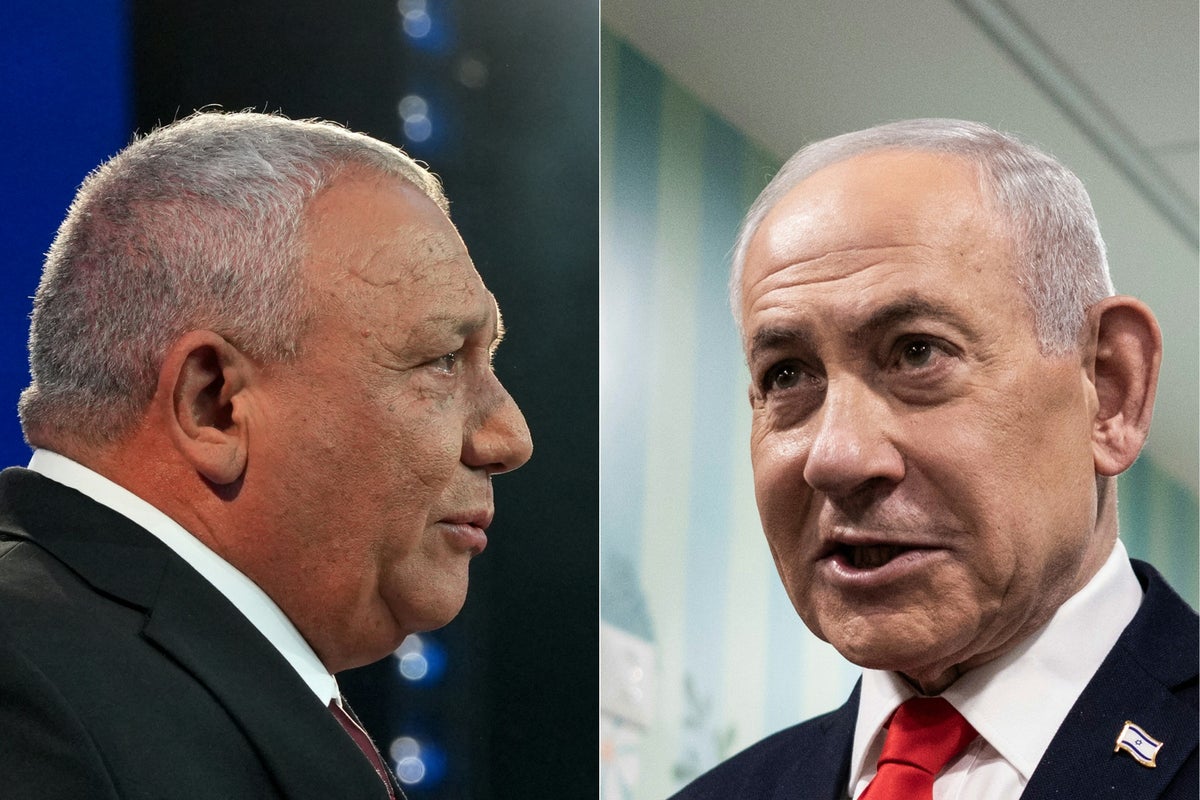
Neither bloc reaches a majority
Exit polls projected Netanyahu’s bloc at 51 seats. A government needs at least 61 seats, so those projections would leave the bloc short of a majority and without a clear path to govern.
Eisenkot leads the Yashar party and is Netanyahu’s strongest challenger. The article does not establish which of the two will lead the Knesset.
Coalition talks may take weeks
Israeli elections commonly produce coalition governments, as no single party has won an outright majority. Negotiations can take weeks, with small parties potentially becoming kingmakers and each Knesset seat important.
Netanyahu’s bloc includes Likud, Jewish Power, Religious Zionism, UTJ, SHAS and People of Israel. Eisenkot’s bloc includes Yashar, Together, The Democrats and Israel Our Home.
Arab parties complicate paths
Ra’am and Joint List are aligned with neither bloc and together hold 19 seats. Netanyahu’s bloc has ruled out joining a government with Arab parties; Eisenkot has nearly ruled out such an arrangement as well.
The Reservists party has not reached the 3.25 per cent threshold required to enter the Knesset. Far-right religious parties led by Itamar Ben-Gvir and Bezalel Smotrich were projected to win 13 seats combined within Netanyahu’s bloc.
Deadlock could keep Netanyahu in office
A prolonged impasse could leave Netanyahu, 77, serving as caretaker prime minister during coalition talks, or until another election is held. The projected results would mark a setback for his nationalist-religious coalition.
Eisenkot, 66, entered politics four years ago and joined Netanyahu’s war cabinet after the 2023 Hamas attack. He left eight months later and criticised Netanyahu’s leadership. He has called Israel’s response to the Gaza war a failure, saying Hamas remains in charge; Gaza health authorities say more than 74,000 Palestinians have been killed.
The Joint List headquarters erupted in whistles and applause after exit polls were released, on a historic turnout night for Palestinian citizens of Israel. Official results are scheduled for publication a week after the election on 4 November.
Key points
- Netanyahu’s bloc was projected to win 51 seats, below the 61 needed to govern.
- Coalition negotiations could take weeks, and a deadlock may keep Netanyahu on as caretaker prime minister.
- Arab parties hold 19 seats together but are not aligned with either bloc.
- Official election results are due a week after the 4 November election.