

£21-a-year food savings leave households wanting broader support as Burnham government presents first budget: Wednesday briefing, readers asked
A restrained budget expected
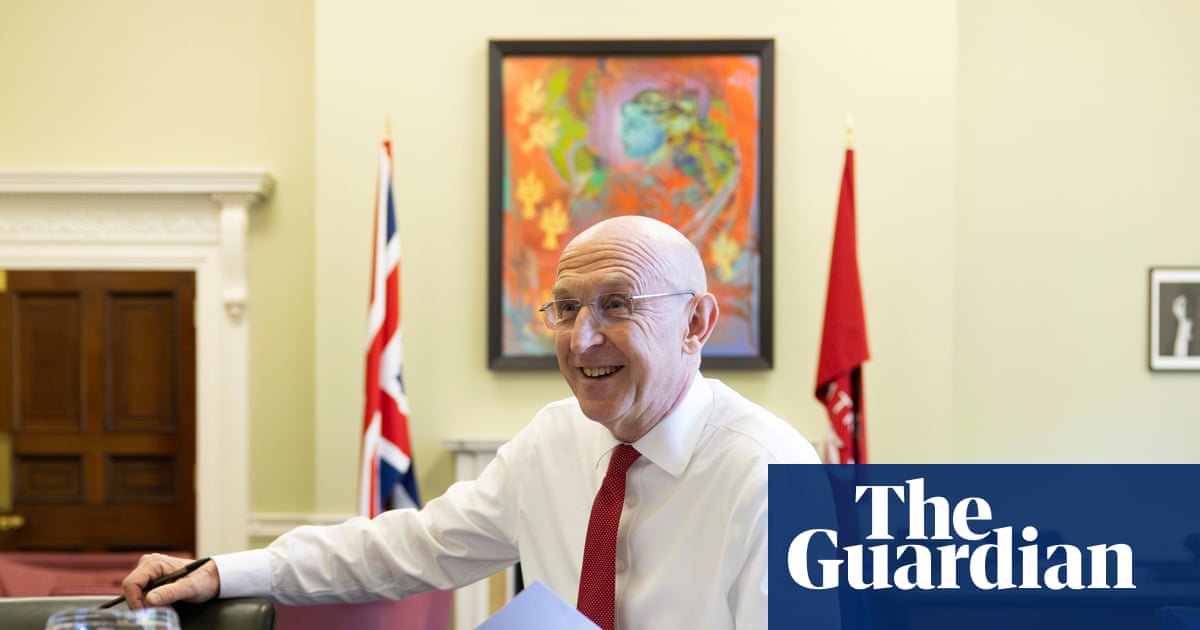
John Healey is set to announce the Burnham government’s first budget in the Commons at 12:30pm. The Treasury has described it as “low-key,” and Guardian policy editor Kiran Stacey said it would be much smaller than last year’s budget. Some voters are hoping for more far-reaching action amid concerns about living standards. Stacey said the budget would not end “40 years of neoliberalism.”
Household debts are rising
StepChange, the UK’s largest debt advice charity, reported that average household arrears among its clients rose from £2,833 in 2022 to £4,345 in 2025. A spokesperson said one in two people seeking help now have energy debt, compared with consumer credit debt being the main concern in the late 2000s.
Michael, who does not receive benefits, earns between £2,500 and £3,000 a month after tax and pays £1,800 in rent. He says this leaves at most £300 a week to cover living costs for four people.
Limits of proposed savings
Healey has considered increasing the warm homes discount, which cuts £150 a year from electricity bills for people receiving benefits. Michael is not eligible, illustrating how the support excludes some households that are also struggling with costs.
The government has announced plans to remove import tariffs on items including baked beans, chocolate and gherkins. The Treasury estimates the change will save an average household £21 a year on food shopping, a limited gain for Michael, who tries to keep his weekly Aldi shop to £80.
Housing support under pressure
A more immediate option raised in the article is linking local housing allowance to rents. The allowance has been frozen since 2024. The Resolution Foundation says more than 900,000 private rented households receiving universal credit face a gap between rent and housing allowance. For a family renting a two-bedroom home, the average shortfall is £158 a month.
Key points
- John Healey is due to present a budget the Treasury calls “low-key.”
- StepChange says average client household arrears rose to £4,345 in 2025.
- Tariff removals are expected to save an average £21 yearly on food shopping.
- More than 900,000 private rented households on universal credit face rent shortfalls.