

New exit polls show Israeli election race headed toward stalemate, with negotiations over forming government
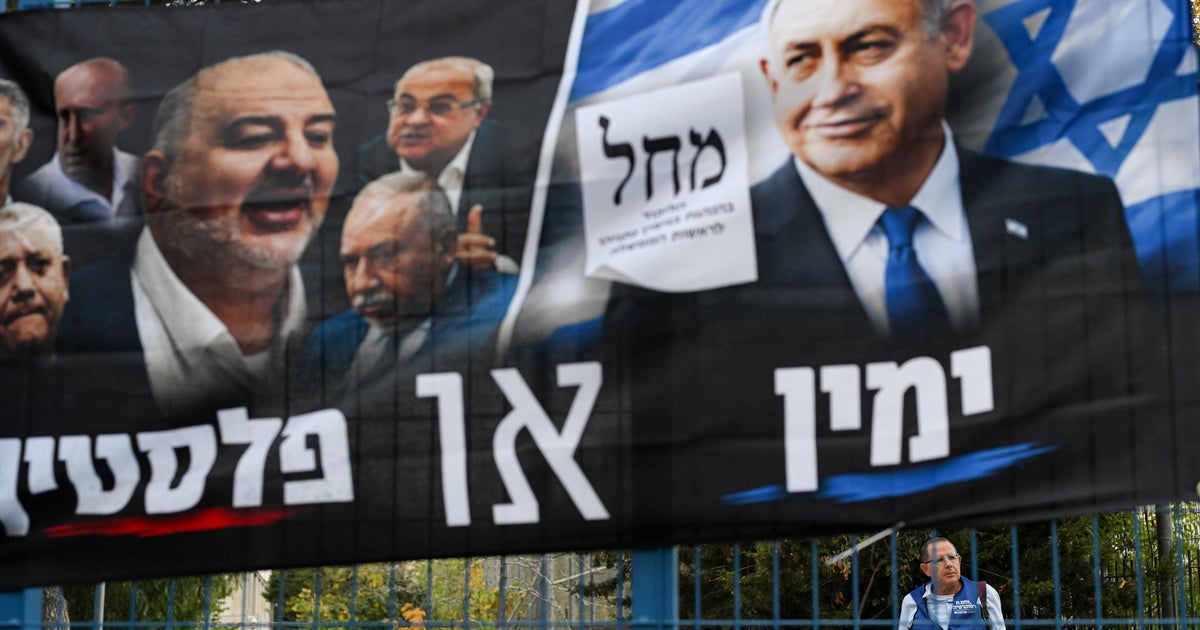
No clear path to a majority
The exit polls suggest a majority voted against Netanyahu’s coalition, but Likud still finished as the largest party among the contenders. Neither his bloc nor the opposition has a clear majority.
A government needs majority support in the 120-seat Knesset. Both sides have pledged not to rely on Arab parties, whose citizens make up around 20% of Israel’s population.
War shaped the campaign
This is Israel’s first election since the Hamas attacks of Oct. 7, 2023, which authorities have called the country’s most catastrophic security failure since its founding in 1948. The country remains at war across Gaza, Lebanon and Syria, following two direct rounds of conflict with Iran.
After three years of war on multiple fronts, many Israelis viewed the vote as existential, and turnout appeared high. Netanyahu is seeking another coalition resembling his current one, built with ultranationalist and Jewish religious parties.
Negotiations may take weeks
Former military chief Gadi Eisenkot leads the centrist Yashar party and is the leading candidate to head the opposition’s change bloc. He served alongside Netanyahu in the war cabinet during much of the first year of the Gaza war; about half of Yashar’s candidates are women.
Some lawmakers or parties could switch sides despite election promises, a course with precedent in Israeli politics. If the change bloc wins more seats collectively than its opponents but falls short of a majority, it could also seek a minority government.
If neither side can form a coalition, Israel would need to hold new elections, a situation that has occurred before. Negotiations could take weeks before a coalition is agreed.
Key points
- Likud emerged as the largest party, but neither bloc has a clear majority.
- A government requires majority support in Israel’s 120-seat Knesset.
- The opposition’s change bloc could consider a minority government if it wins more seats than its rivals.
- If no coalition can be formed, Israel will have to hold new elections.