

Israel election: High turnout, high stakes and a possible stalemate—what to know
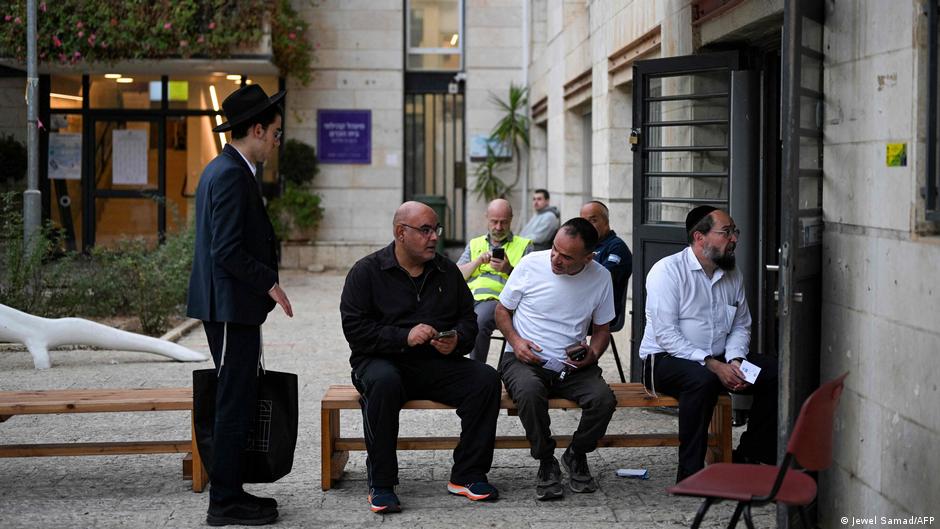
Record turnout midway through voting
Almost 45% of the electorate had voted by 2 p.m., according to the election committee. That was the highest share recorded by that point in the day since records began in 1973.
The anticipated contest was expected to be close, with a stalemate also considered possible. Eisenkot’s Yashar party had polled higher than Netanyahu’s Likud party, while Netanyahu faced a staunch challenge to his grip on power.
Leaders urge supporters to vote
Netanyahu continued appealing online for supporters to cast ballots as voting progressed. His posts repeatedly warned about high turnout in Arab communities and, to a lesser extent, left-leaning communities. In one post, Netanyahu wrote, “We’re at war for our home,” and alleged that Muslim Brotherhood supporters were “stealing the elections.” He also shared an image said to show a long queue in Rahat, with women wearing niqab coverings visible at the front.
Responses and calls for change
Sami Abou Shahadeh, leader of Balad, which is part of the Joint List alliance, urged supporters to vote before the deadline. He called voting for the Joint List a response to what he described as incitement by Netanyahu and Itamar Ben-Gvir against Arab citizens.
Volker Beck, president of the German-Israeli Society and a Green party politician, said a change in leadership might serve Israel’s interests. Beck said Netanyahu had lost considerable trust in domestic and foreign policy in recent years.
Key points
- Almost 45% of voters had cast ballots by 2 p.m., a record for that point since 1973.
- The election was expected to be close, with a possible stalemate.
- Netanyahu urged supporters to vote and warned about turnout in Arab communities.
- Volker Beck said a change in leadership could be good for Israel.