

Australia has to pay millions to fly an astronaut to space. What do we stand to gain?
A seat at a steep cost
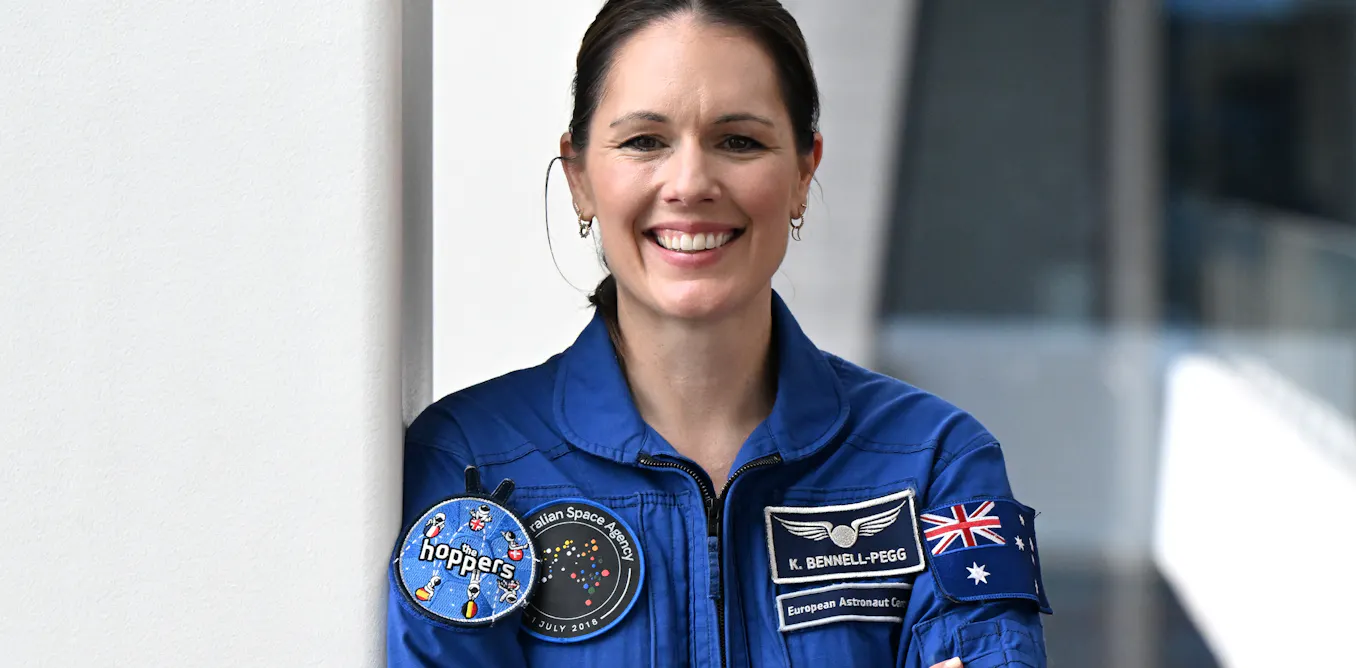
Australia is not a member of the ESA, NASA or another agency capable of sending people to space and back, so it must pay for access. The exact terms of its counteroffer remain undisclosed. The ESA’s reported initial request was more than A$100 million, while the amount Australia offered is assumed to be lower.
What investment can bring
The ESA has 23 member states, which provide two-thirds of its roughly €7.69 billion (A$12.2 billion) budget through mandatory annual contributions based on GDP. Its geographical-return principle aims to allocate industrial contracts broadly in proportion to participating countries’ contributions.
Canada’s investment in space robotics illustrates the possible returns. It spent more than C$300 million (A$305 million) developing robotic arms for shuttle missions and the International Space Station. The technology remains in use for docking, and the research also helped develop robotic arms for precision surgery.
Canada’s longer-term returns
Canada’s contribution secured a permanent partnership in the International Space Station, giving its astronauts, including Chris Hadfield, access to space. The country became a leader in space robotics, and the investment is described as having returned its original value 100 times over.
Canadian company MDA Space has since received a contract worth more than US$1 billion (A$1.4 billion) to build a robotic arm for NASA’s Artemis program. The contribution also secured two Canadian astronaut flights, including one on the Artemis II crewed Moon mission earlier this year.
Benefits closer to home
Australia could use its ESA bid to support local businesses, researchers and technologies, building industrial capacity, advanced manufacturing and skilled jobs. Space activity can also produce technology with uses beyond spaceflight.
People in rural and remote communities may travel hundreds of kilometres for services such as maternal health care, emergency surgery and domestic violence support. Natural disasters can also cut transport and communication links. Remote medical tools developed to keep astronauts healthy—including portable diagnostics and AI-powered monitoring—could help address similar challenges on Earth.
Key points
- The offer’s exact value is not public; Tim Ayres said the ESA sought “well north of $100 million”.
- Australia is not a member of the ESA or NASA and must pay for access to a human spaceflight mission.
- Canada’s space robotics investment helped secure astronaut access and technologies used in surgery.
- Supporters say an ESA contribution could benefit Australian businesses, researchers, workers and remote communities.