Across four African countries, politics shapes what gets fact-checked—and how fact-checkers answer
A study across four countries
Researchers interviewed 19 professional fact-checkers from January to August 2025: five each in Cameroon, Kenya and Nigeria, and four in South Africa. Participants worked at fact-checking organisations or in newsroom fact-checking roles.
The researchers chose the countries to reflect different political systems in sub-Saharan Africa. The interviews offered insight into practitioners’ views and experiences, but were not designed to measure how widespread any view was.
Politics shapes the work
The study found no single model of an African fact-checker. Practitioners’ sense of their role was strongly influenced by the political environment where they worked. Cameroon is formally a democracy but has an authoritarian government in practice. Kenya and Nigeria are described as hybrid systems, while South Africa has constitutionally protected press freedom that is generally respected.
Different limits and ambitions
In Cameroon, fact-checkers said they focused on debunking online claims but largely avoided political subjects because of the risks. They instead examined rumours about accidents, fires, crime, public figures and entertainers.
Fear and limited cooperation from officials or witnesses can make it harder to show evidence and sources. Kenyan practitioners described a wider mission, including helping citizens participate in democracy, resolve disputes over facts and hold leaders accountable.
Helping audiences assess claims
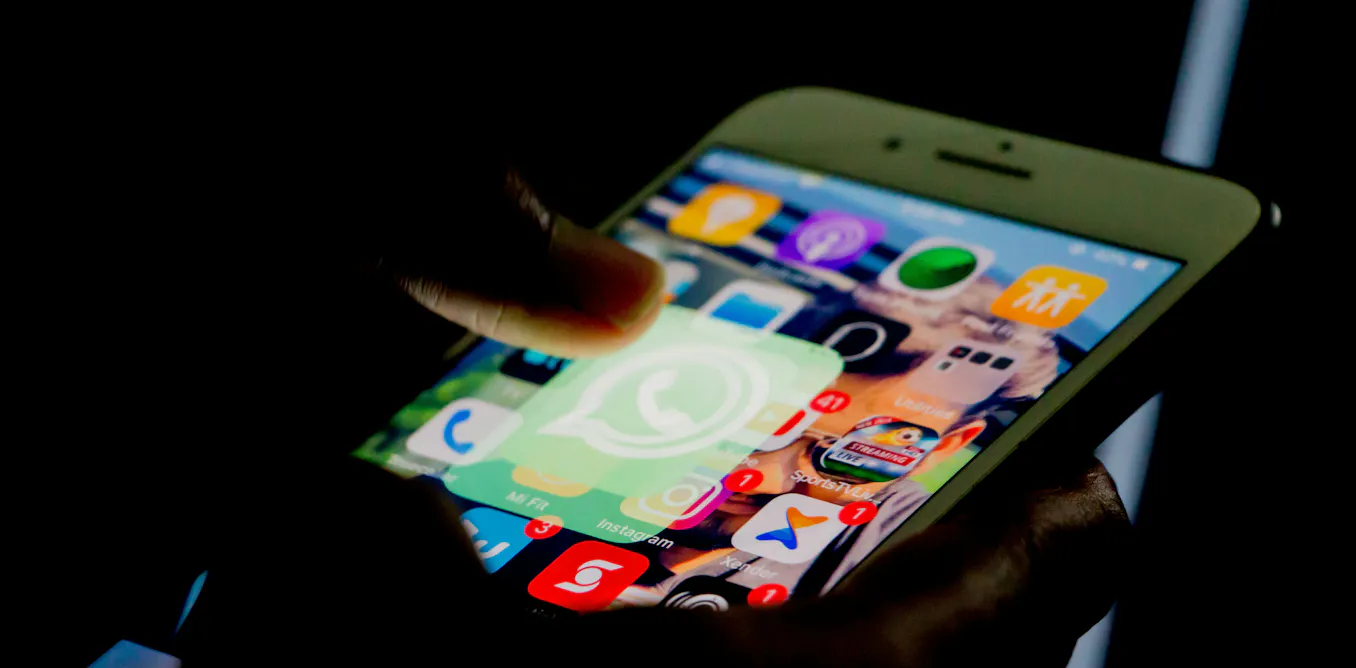
Across all four countries, many practitioners said they were moving beyond simply declaring claims true or false. They also want to help people judge information for themselves. One approach is prebunking: warning people about common misleading tactics before they encounter them. False election claims and ethnically charged propaganda can heighten tensions, while misinformation also spreads rapidly through mobile phones and closed WhatsApp groups.
Key points
- Political conditions influence what fact-checkers investigate and how they define their work.
- Cameroonian practitioners said fear led them to avoid much political fact-checking.
- Kenyan fact-checkers described roles that include public participation and accountability.
- Many practitioners across the four countries are using prebunking to help audiences assess information.